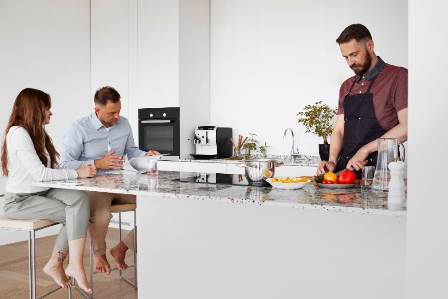

A modern kitchen is defined by clean lines, smart layouts, efficient storage, and materials that are both stylish and practical. Homeowners now prioritise usability just as much as visual appeal. Whether you live in a compact apartment or a large family home, modern kitchen renovations focus on making the space work better for everyday life while adding lasting value to the property.
Planning thoughtfully from the start helps avoid costly mistakes and ensures your kitchen remains functional and attractive for years to come.
Key Principles of Modern Kitchen Design
Modern design is not about following trends blindly. It is about thoughtful simplicity, purposeful choices, and cohesion.
Clean Lines and Minimal Visual Clutter
Modern kitchens favour a streamlined look that feels calm and organised.
Key design elements include:
● Flat-panel or handleless cabinetry
● Integrated appliances
● Consistent colour palettes
● Concealed storage solutions
The goal is a space that feels open, uncluttered, and easy to maintain.
Function Comes Before Decoration
A visually stunning kitchen that does not function well quickly becomes frustrating. Modern design prioritises:
● Efficient work zones
● Easy access to storage
● Durable, low-maintenance materials
This practical-first mindset is a hallmark of expert kitchen design.
Choosing the Right Kitchen Layout
The layout determines how efficiently your kitchen operates. Selecting the right configuration depends on space, household size, and lifestyle.
Popular Modern Kitchen Layouts
L-Shaped Kitchens
● Ideal for small to medium spaces
● Maximises corner storage
● Allows room for dining or an island
U-Shaped Kitchens
● Excellent for serious home cooks
● Provides ample bench space
● Creates an efficient work triangle
Galley Kitchens
● Perfect for narrow spaces
● Highly efficient workflow
● Works well with minimalist design
Open-Plan Kitchens
● Seamlessly connects kitchen, dining, and living areas
● Encourages social interaction
● Requires careful planning to maintain visual harmony
Layout Planning Checklist
Before finalising your layout, consider:
● Clear walkways (minimum 1,000 mm where possible)
● Appliance door clearance
● Bench space near cooking and prep areas
● Placement of power points and lighting
Modern Kitchen Materials That Last
Material selection plays a crucial role in both appearance and longevity.
Benchtop Materials Compared
| Material | Pros | Cons |
| Engineered stone | Durable, consistent look, stain-resistant | Can be costly |
| Porcelain | Heat-resistant, modern aesthetic | Requires expert installation |
| Laminate | Budget-friendly, wide range of finishes | Less durable long term |
| Solid timber | Warm, natural appeal | Requires regular maintenance |
Cabinetry Finishes
Modern kitchens often use:
● Matte finishes for a soft, contemporary look
● Two-tone cabinetry for visual depth
● Woodgrain textures to add warmth
High-quality cabinetry hardware is essential, as it affects daily usability more than almost any other component.
Splashbacks with Purpose
Glass, porcelain slabs, and textured tiles are popular choices. The key is selecting materials that are easy to clean and resistant to heat and moisture.
Lighting: A Critical Design Element
Lighting is often underestimated but has a significant impact on how a kitchen feels and functions.
Layered Lighting Approach
A well-designed modern kitchen uses:
● Ambient lighting for overall brightness
● Task lighting under cabinets for food preparation
● Accent lighting to highlight architectural features
Energy-efficient LED lighting is now standard, offering longevity and lower running costs.
Smart Storage Solutions for Modern Living
Storage is one of the biggest challenges in kitchen renovations.
Innovative Storage Ideas
● Deep drawers instead of lower cabinets
● Pull-out pantry systems
● Corner carousel units
● Appliance garages to reduce benchtop clutter
These solutions improve accessibility and keep the kitchen looking tidy.
Sustainable and Energy-Efficient Choices
Modern kitchen renovations increasingly focus on sustainability.
Eco-conscious choices include:
● Energy-efficient appliances
● LED lighting
● Water-saving taps
● Locally sourced materials where possible
These decisions reduce environmental impact while lowering long-term household costs.
Practical How-To Steps for a Successful Renovation
A structured approach reduces stress and improves outcomes.
Step-by-Step Renovation Process
- Assess your current kitchen’s strengths and weaknesses
- Define your budget with a realistic contingency
- Prioritise layout and functionality
- Select materials based on lifestyle needs
- Work with experienced professionals
- Finalise design details before construction begins
Homeowners planning perth kitchen renovations often benefit from consulting local specialists who understand Australian building standards, climate considerations, and lifestyle needs.
Pros and Cons of Modern Kitchen Renovations
Advantages
● Improved functionality and workflow
● Increased property value
● Easier maintenance
● Energy efficiency
Potential Challenges
● Higher upfront costs for quality materials
● Requires careful planning to avoid design mistakes
● Construction disruptions during renovation
Understanding these factors helps set realistic expectations.
Common Mistakes to Avoid
Even well-intentioned renovations can fall short without proper planning.
Avoid:
● Underestimating storage needs
● Choosing style over practicality
● Poor lighting design
● Skipping professional advice
Experience shows that investing time in planning saves money and frustration later.
Frequently Asked Questions
Most renovations take between four to eight weeks, depending on complexity, material availability, and custom cabinetry requirements.
Open-plan layouts with an island are popular for families, as they allow interaction while cooking and provide extra storage and seating.
Yes. Modern design can be adapted to heritage or older homes by blending contemporary materials with existing architectural features.
There is no universal answer, but modern kitchens prioritise efficient storage rather than sheer volume. Smart drawer systems often outperform traditional cupboards.
Quality appliances improve performance, energy efficiency, and longevity, making them a worthwhile investment for many households.
Conclusion
Modern kitchen renovations are about more than creating a visually appealing space. They are about designing a kitchen that works seamlessly with your lifestyle, stands the test of time, and enhances daily living. By focusing on smart layouts, durable materials, efficient storage, and thoughtful lighting, homeowners can achieve a kitchen that feels both contemporary and comfortable.
A well-executed modern kitchen renovation is an investment in your home and your quality of life. With careful planning and expert guidance, the result is a kitchen that not only looks impressive but truly supports how you live, cook, and connect every day.