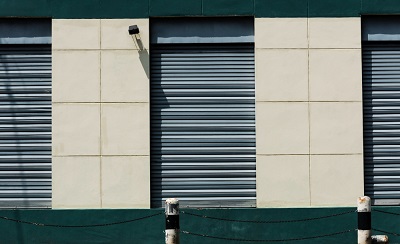

A well-built shed can completely transform how you use your outdoor space. Whether you need extra storage, a workshop, or a secure place for tools and equipment, the right shed adds both practicality and value to your property. For homeowners across Western Australia, selecting the right shed is especially important because the local climate—strong sun, coastal winds, and seasonal storms—demands durable construction and thoughtful design.
This guide explains everything you need to know about choosing the right shed for your property. From materials and sizing to council approvals and long-term maintenance, you’ll learn how to make an informed decision that suits your needs and budget.
Why a Shed Is a Smart Investment for Your Property
A shed is much more than a simple storage structure. When chosen correctly, it can improve organisation, protect valuable equipment, and even increase property value.
Some of the most common reasons homeowners install sheds include:
• Secure storage for gardening tools and equipment
• Space for DIY projects or a home workshop
• Protection for bikes, lawn mowers, and outdoor furniture
• Extra room for seasonal items and sports gear
• A hobby or creative workspace
Many modern sheds are also designed to complement the style of the home, blending functionality with visual appeal.
Types of Sheds to Consider
Different properties require different shed designs. Understanding the most common types helps narrow down your options quickly.
Garden Sheds
Garden sheds are typically smaller structures designed to store tools, potting supplies, and gardening equipment. They are ideal for homeowners who want a tidy and organised outdoor space.
Benefits include:
• Compact footprint
• Easy installation
• Affordable pricing
• Ideal for suburban backyards
Workshop Sheds
If you enjoy DIY projects or need a dedicated workspace, a workshop shed offers additional room, lighting, and ventilation.
Common features include:
• Workbenches and shelving
• Electrical outlets
• Large doors for equipment access
• Insulated walls for comfort
Storage Sheds
Storage sheds focus on maximising capacity. They are perfect for larger households with outdoor gear, bikes, or recreational equipment.
These sheds often include:
• Wide double doors
• High roof clearance
• Strong steel construction
Garage Sheds
Some homeowners choose large shed designs that function as garages. These can protect vehicles, trailers, boats, or caravans from weather exposure.
Choosing the Right Shed Size
One of the most common mistakes homeowners make is choosing a shed that is too small.
A practical rule is to select a shed slightly larger than your current needs. Over time, tools and equipment accumulate, and additional storage space becomes valuable.
Shed Size Planning Checklist
Before selecting a size, consider the following:
• What items will be stored inside
• Whether you need space to move around
• Future equipment purchases
• Clearance for shelving or workbenches
• Vehicle or machinery access
Example Shed Size Guide
| Shed Size | Typical Use |
| 3m x 3m | Basic garden storage |
| 3m x 6m | Small workshop or tool storage |
| 6m x 6m | Large storage or hobby space |
| 9m x 6m+ | Garage, caravan or boat storage |
Careful planning ensures your shed remains functional for years to come.
Best Shed Materials for Western Australian Conditions
The climate in Western Australia can be tough on outdoor structures. Choosing the right material ensures your shed remains durable and low maintenance.
Steel Sheds
Steel sheds are the most popular option due to their strength and weather resistance.
Advantages include:
• Long lifespan
• Strong wind resistance
• Minimal maintenance
• Fire resistance
High-quality steel sheds often feature galvanised or coated panels to prevent rust.
Timber Sheds
Timber sheds offer a natural aesthetic and blend well with landscaped gardens.
Pros:
• Attractive appearance
• Customisable design
• Good insulation properties
Cons:
• Higher maintenance
• Susceptible to pests or moisture if untreated
Plastic or Resin Sheds
These sheds are lightweight and easy to assemble, but they are usually best suited for small storage needs.
Benefits include:
• Rust resistant
• Low maintenance
• Quick installation
However, they may not provide the same durability as steel structures.
Local Regulations and Council Approvals
Before installing a shed, it is important to check local council regulations. Requirements can vary depending on location, property size, and shed dimensions.
You may need approval if:
• The shed exceeds a certain height
• It is close to property boundaries
• Plumbing or electrical connections are required
• The shed is classified as a permanent structure
Checking regulations early prevents delays and ensures your project complies with building guidelines.
Step-by-Step Guide to Choosing the Right Shed
Selecting the right shed becomes much easier when you follow a structured approach.
Step 1: Identify Your Purpose
Start by deciding how the shed will be used.
Ask yourself:
• Is it mainly for storage?
• Will it be used as a workshop?
• Do you need space for vehicles or equipment?
Your primary purpose determines the design and size.
Step 2: Measure Available Space
Accurate measurements help you determine the largest shed that comfortably fits your property.
Remember to consider:
• Access paths
• Clearance from fences
• Landscaping features
• Drainage areas
Step 3: Choose the Right Material
Match the material to your climate conditions and maintenance preferences.
For many homeowners, durable steel designs are the most practical option for long-term use.
Step 4: Plan Interior Layout
Even a small shed can feel spacious with the right layout.
Consider adding:
• Wall-mounted shelving
• Pegboards for tools
• Overhead storage racks
• Workbench areas
Step 5: Select a Reliable Supplier
Working with experienced shed suppliers ensures quality materials, professional installation, and compliance with local regulations.
When researching Sheds Perth, look for companies that provide custom designs, strong warranties, and proven customer satisfaction.
Pros and Cons of Installing a Shed
Like any property upgrade, sheds have advantages and potential drawbacks.
Pros
• Adds valuable storage space
• Protects equipment from weather
• Improves property organisation
• Can increase property value
• Customisable for different purposes
Cons
• Upfront installation cost
• May require council approval
• Needs occasional maintenance
• Requires sufficient yard space
For most homeowners, the long-term benefits easily outweigh the disadvantages.
Maintenance Tips to Extend the Life of Your Shed
A shed is a long-term investment, so regular maintenance keeps it in excellent condition.
Simple maintenance practices include:
• Cleaning gutters and roofs
• Checking for rust or corrosion
• Lubricating door hinges and locks
• Inspecting seals and weatherproofing
• Keeping the surrounding area clear of debris
These small tasks help prevent costly repairs in the future.
FAQ: Common Questions About Sheds
The ideal size depends on how you plan to use the space. If you only need tool storage, a small garden shed may be enough. Workshops or vehicle storage require larger structures.
Steel sheds generally require less maintenance and offer better durability in harsh weather conditions, making them a popular choice for many homeowners.
It depends on the shed’s size, height, and placement on your property. Always check with your local council before starting construction.
A well-built steel shed can last 20 to 30 years or longer with proper maintenance.
Yes. A functional and well-designed shed can make a property more appealing to buyers by providing extra storage or workspace.
Final Thoughts
Choosing the right shed is about more than simply adding extra storage. The ideal shed should match your property, withstand local weather conditions, and serve your long-term needs.
By carefully considering size, materials, purpose, and regulations, you can select a structure that delivers both practicality and lasting value. Whether you need a small garden shed or a spacious workshop, investing in the right design will help you make the most of your outdoor space for years to come.
If you are planning to install a shed, take the time to compare options, consult experienced suppliers, and design a structure that truly fits your lifestyle. A well-chosen shed can become one of the most useful additions to your property.