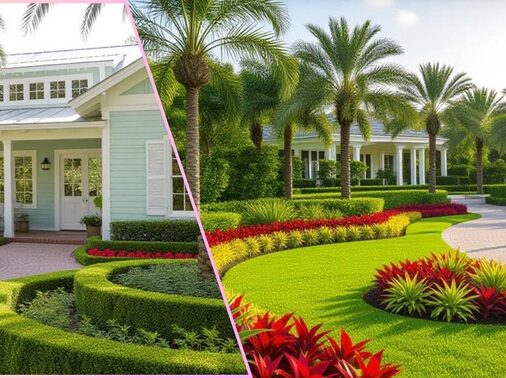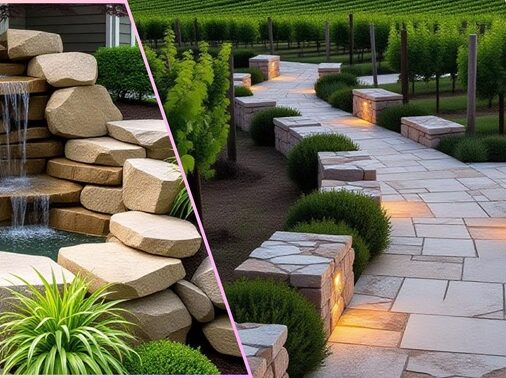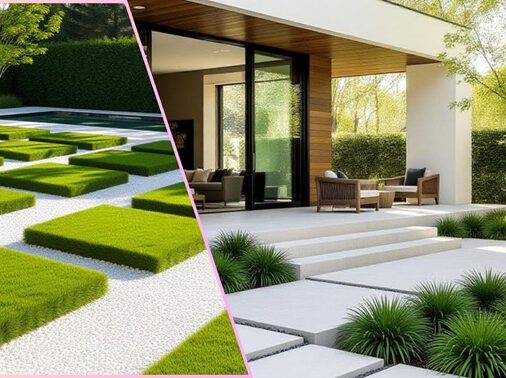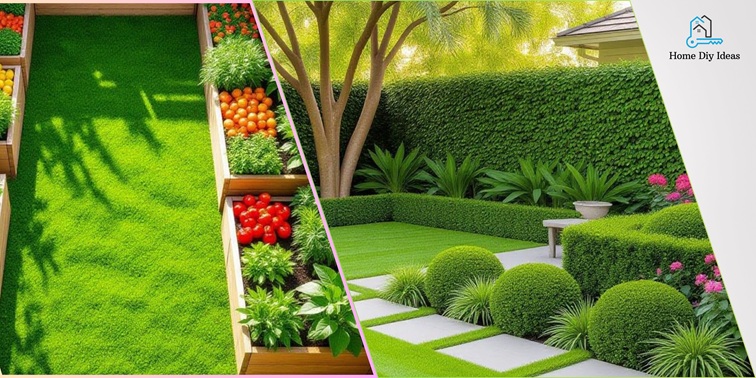

When I first started redesigning my own yard with sustainability in mind, I realized how powerful even small choices can be: shifting plant selections, rethinking water use, and reimagining hardscaping. The result? A vibrant, resilient outdoor space that supports local ecology — not just looks pretty.
If you’re searching for sustainable landscape design ideas, you likely want a yard that balances beauty and environmental responsibility. In this article, I’ll share practical, expert-backed strategies — plus the kind of hands-on homeowner insights you won’t find in generic lists — to help you turn your yard into a truly green haven.
Core Principles of Sustainable Landscape Design
1. Work With Local Ecology
- Choose native and adapted plants. They need less water and fertilizer because they’re already suited to your region.
- Promote biodiversity. Mix shrubs, trees, grasses, and wildflowers to support pollinators and wildlife.
- Design by zones. Group plants by sunlight, water, and maintenance needs to maximize efficiency.
2. Optimize Water Use
- Capture rainwater. Use rain barrels or create shallow swales to direct runoff to planting zones.
- Install permeable surfaces. Gravel, permeable pavers, or decomposed granite allow water to soak into the soil.
- Smart irrigation. Drip lines and soil-moisture sensors minimize waste.
3. Build Healthy Soil
- Feed the soil, not just the plants. Add compost and organic matter to improve structure and fertility.
- Use mulch. Retains moisture, regulates temperature, and suppresses weeds.
- Plant for carbon capture. Trees and deep-rooted shrubs store carbon and cool your space naturally.
4. Choose Sustainable Materials
- Use recycled or locally sourced materials. This reduces the environmental impact of transportation.
- Minimize concrete. Opt for modular or permeable alternatives wherever possible.
- Think long-term. Choose durable materials that age gracefully and require minimal upkeep.
Step-by-Step: How to Design an Eco-Friendly Yard
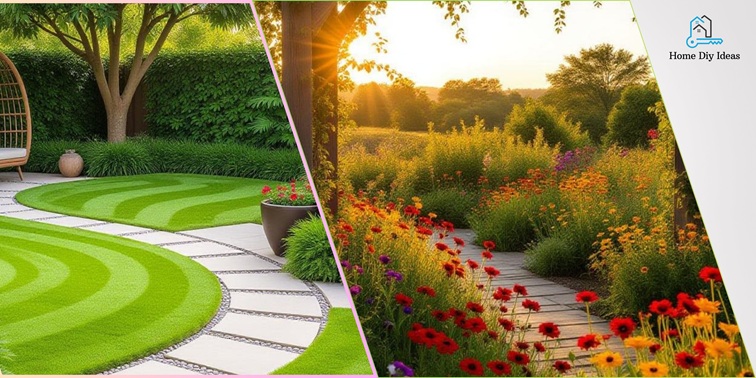
Step 1: Assess Your Site
- Map sun, shade, and drainage zones.
- Test your soil for pH, texture, and nutrients.
- Identify what plants already thrive — that’s a clue to what works naturally.
Step 2: Define Your Goals
- Decide what matters most: shade, privacy, habitat, food, or water savings.
- Create zones for play, rest, gardening, and wildlife.
Step 3: Plan Hardscapes First
- Use permeable materials for patios and walkways.
- Consider slope and drainage to direct stormwater into garden beds, not streets.
Step 4: Choose the Right Plants
- Begin with trees and structural shrubs.
- Layer in perennials, grasses, and groundcovers.
- Select species adapted to your local climate and soil.
Step 5: Install Efficient Irrigation
- Install drip systems and use mulch to retain moisture.
- Group plants with similar water needs together.
Step 6: Create a Maintenance Plan
- Track plant health and seasonal care tasks.
- Compost garden waste to recycle nutrients.
- Adjust watering as plants mature and local weather changes.
Practical Eco-Friendly Ideas You Can Start With
Lawn Alternatives
- Replace portions of lawn with native groundcovers like creeping thyme or ornamental sedges.
- Introduce wildflower patches or low-mow grass mixes.
- Frame lawn areas with pollinator gardens or edible beds.
Rain Gardens
- Use low-lying areas to capture runoff.
- Layer gravel, soil, and native plants that thrive in moist conditions.
- Great for reducing erosion and replenishing groundwater.
Composting and Soil Regeneration
- Set up a three-bin composting system to manage yard waste.
- Use finished compost as mulch or topdressing.
- Rotate cover crops like clover to restore nitrogen.
Wildlife Habitat Features
- Add bee hotels or nesting boxes.
- Leave deadwood or brush piles in shaded corners for beneficial insects.
- Plant host plants for butterflies and native bees.
Sustainable Lighting and Pest Control
- Choose solar or low-voltage LED lighting.
- Use beneficial insects and companion plants to deter pests.
- Avoid chemical sprays that harm pollinators.
Plant Selection by Yard Zone
| Yard Zone | Ideal Plants | Purpose |
| Sunny, dry areas | Lavender, salvia, ornamental grasses | Low-water beauty |
| Shady spaces | Ferns, hostas, woodland natives | Natural understory look |
| Moist areas | Swamp milkweed, sedges | Rain garden success |
| Edible zone | Herbs, berries, fruit trees | Food + function |
Realistic Challenges and Trade-Offs
- Upfront costs may be higher, but savings build over time through lower water and maintenance bills.
- Some plant trial and error is normal — resilience improves after the first few seasons.
- Patience pays off. Sustainable yards mature gracefully over time.
- Maintenance shifts, but doesn’t disappear — you’ll monitor soil health and biodiversity instead of mowing weekly.
Eco-Friendly Yard Checklist
✅ Soil test completed
✅ Rain capture system installed
✅ Permeable paths or patios used
✅ Trees and native shrubs planted
✅ Lawn area reduced or replaced
✅ Compost bin started
✅ Drip irrigation or rain garden in place
✅ Pollinator plants and habitat added
✅ Organic mulch applied
✅ Seasonal maintenance plan created
FAQs Section
You’ll notice lower watering needs within the first season and improved soil health in one to two years.
Initial setup can cost more, but water and maintenance savings quickly offset it.
Yes. Start small — replace one section with native groundcovers or wildflowers.
Not if designed thoughtfully. Use repetition, clear borders, and focal points for a polished look.
Only minimally. Once established, native plants thrive with natural rainfall and occasional deep watering.
Conclusion
Creating a sustainable landscape isn’t just about looks — it’s about harmony with nature. Every compost pile, rain barrel, and native plant you add contributes to a healthier planet and a more resilient home.If you’re ready to make your eco-friendly yard a reality, start small. Pick one project from the checklist and begin today — your soil, wallet, and the environment will thank you.