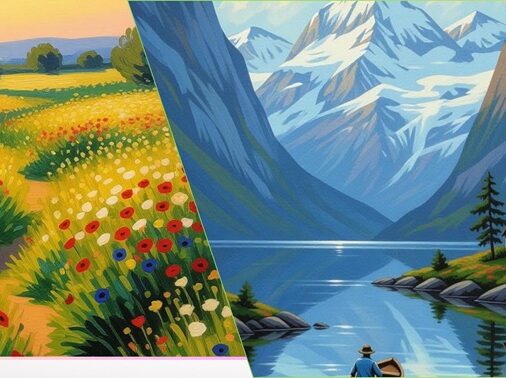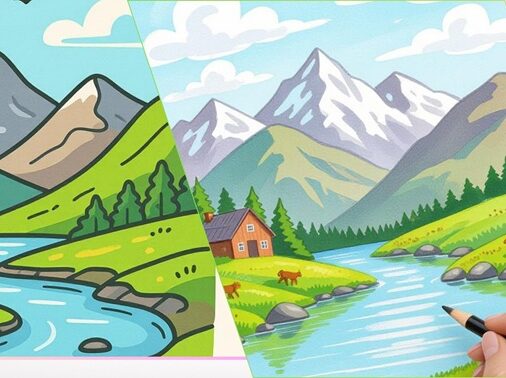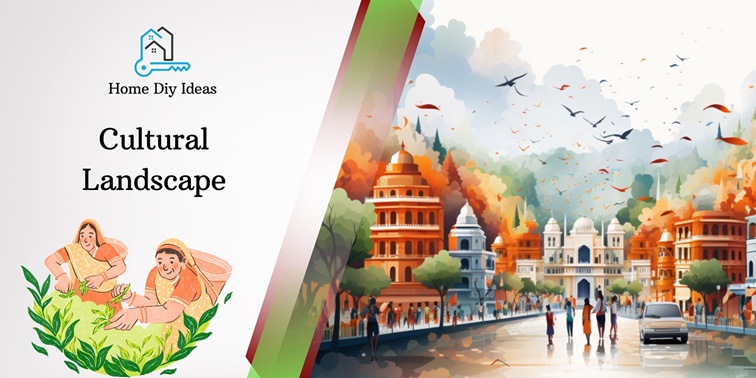

When I step into a garden, park, or historical estate, I don’t just see plants and stonework—I see stories written on the land. Those stories are what define a cultural landscape.
If you’re a homeowner, designer, or simply a lover of outdoor spaces, understanding this concept can transform how you approach design. In this article, I’ll break down what a cultural landscape truly means, share real-world examples, and show how you can apply its principles in your own yard.
What Is a Cultural Landscape?
Core Definition
A cultural landscape is a geographic area where the interaction between people and the natural environment creates meaning, beauty, and identity.
In simple terms:
- It’s where human history meets nature.
- It’s not just untouched wilderness or artificial gardens—it’s both, intertwined.
- It reflects cultural values, traditions, and human influence over time.
Why the Concept Matters in Landscaping
From my perspective as a landscape professional, understanding cultural landscapes helps you:
- Design spaces that connect to history and context.
- Make choices that honor local traditions, ecology, and identity.
- Create outdoor areas that tell stories instead of just filling space.
Elements of a Cultural Landscape
When designing or evaluating a cultural landscape, these are the key components to consider:
- Natural features – landform, soil, water, vegetation
- Spatial organization – how spaces and activities are arranged
- Vegetation patterns – plant choices reflecting tradition or ecology
- Built structures – terraces, walls, water features, monuments
- Circulation and views – how people move and experience the space
- Cultural associations – the symbolic or historical meaning behind elements
Quick Homeowner Checklist
- Does the design respect the site’s topography and native ecology?
- Are plant species culturally or regionally meaningful?
- Do built features reflect the site’s history or local craftsmanship?
- Are gathering areas designed with cultural practices in mind?
- Does the design balance tradition and sustainability?
Types of Cultural Landscapes
| Type | Description | Residential Application |
| Designed Landscape | Created intentionally for aesthetic or functional purposes | A planned garden using regional stone and native plants |
| Vernacular Landscape | Shaped by local traditions and daily use | Backyard using local materials, patterns, and informal layout |
| Ethnographic Landscape | Connected to a community’s beliefs or practices | Spaces for cultural rituals or family gatherings |
Real-World Examples and Lessons
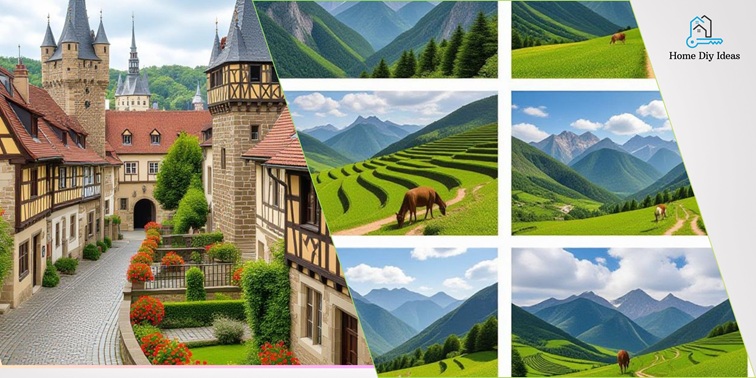
Example 1: Historic Estate Gardens
Large heritage gardens in Europe or Asia—like palace gardens or temple grounds—show how design, religion, and environment blend into a cultural landscape.
Lesson: Even in smaller gardens, you can echo this philosophy by aligning design with history and nature rather than trends.
Example 2: Local Parks and Community Spaces
City parks often evolve as cultural landscapes through layers of recreation, heritage trees, and gathering traditions.
Lesson: Your neighborhood park or courtyard can inspire residential spaces that promote community and continuity.
Example 3: Cultural Garden Styles in Urban Contexts
Modern designers often reinterpret traditional styles (like Japanese Zen gardens or Mediterranean courtyards) in new climates and scales.
Lesson: You can celebrate a culture’s design language responsibly—by adapting materials, plants, and proportions to your environment.
How to Apply Cultural Landscape Principles
Step 1: Research Site History
Understand your property’s past—its geography, vegetation, and human use. Talk to local elders or research archives if possible.
Step 2: Define Your Story
Decide what cultural message or emotional story your landscape should convey—family heritage, regional identity, or artistic vision.
Step 3: Choose Design Elements
Select materials and plants that fit your culture and environment:
- Use local stone, clay, or wood.
- Combine native and symbolic plants.
- Reflect traditional spatial patterns like courtyards or terraces.
Step 4: Integrate Sustainable Practices
Eco-conscious design is part of modern cultural identity. Include:
- Rainwater harvesting systems
- Native plant species
- Composting and mulching areas
Step 5: Maintain and Evolve
A cultural landscape is living heritage—it changes over time. Schedule regular maintenance and adapt as your needs and surroundings evolve.
Common Mistakes to Avoid
- Overusing cultural motifs without understanding their meaning.
- Ignoring local context or climate when adopting design styles.
- Choosing aesthetics over ecology.
- Failing to plan long-term maintenance.
Professional Tips
✅ Design for meaning, not decoration.
✅ Respect the land’s natural form.
✅ Keep materials local and authentic.
✅ Allow the landscape to evolve naturally.
FAQs Section
A garden focuses on beauty and use, while a cultural landscape carries symbolic and historical meaning alongside functionality.
Yes. Start small—use meaningful plant choices, local materials, and layout patterns inspired by your region or heritage.
Not always. But a professional can help align design intent, ecology, and cultural interpretation seamlessly.
Use cultural principles (balance, rhythm, symbolism) rather than literal replicas. Adapt them to your site’s conditions.
Maintain key plants and structures, document your design choices, and educate future users about the space’s story.
Conclusion
Cultural landscapes remind us that every piece of land tells a story. Whether you’re restoring a heritage property or redesigning a small backyard, blending human meaning with natural beauty creates timeless spaces.
When I design landscapes, I think of them as living art—rooted in history, shaped by culture, and growing toward the future.