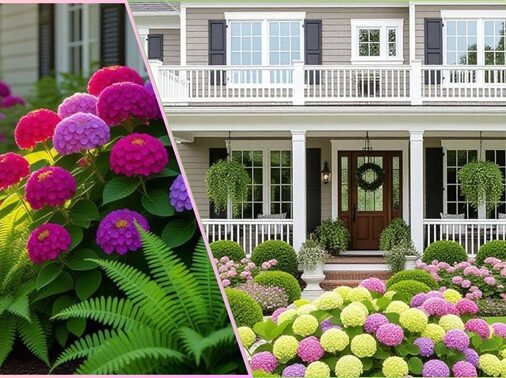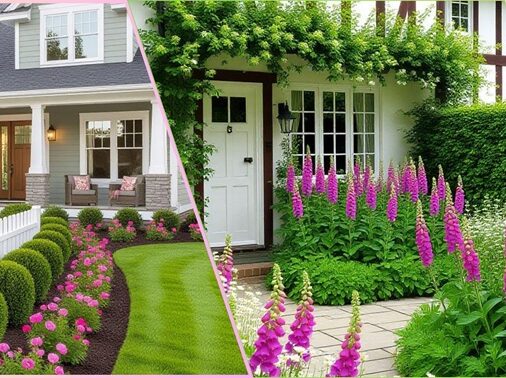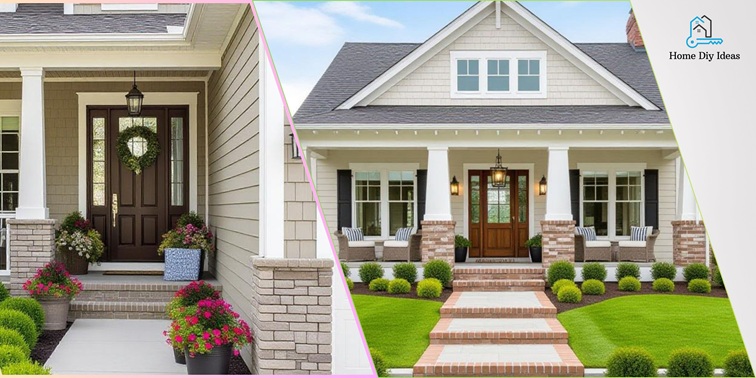

When I walk up to a home with a thoughtfully designed front yard, I feel its personality before I even ring the bell. The way plantings, paths, and edges frame a façade can elevate curb appeal, offer a warm welcome, and make a home feel grounded.
In this article, I’ll share how to approach front of house landscaping in simple, effective ways—so your home looks inviting without overwhelming your time or budget.
Principles of Framing a Home with Landscaping
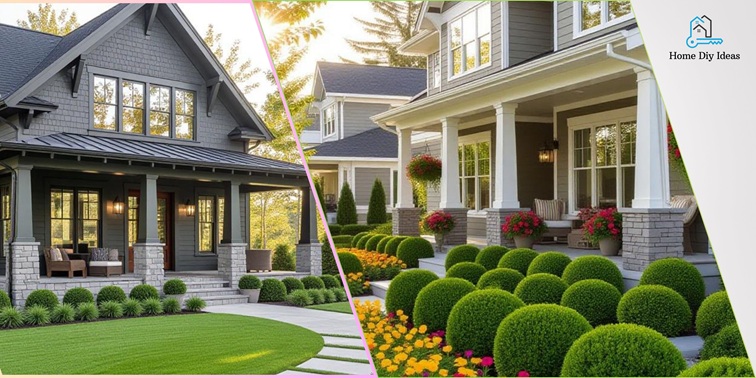
Before planting, it’s essential to ground your design in a few guiding principles.
Core Design Principles
| Principle | Why It Matters | Quick Tip |
| Scale & Proportion | Keeps plants from overpowering or underwhelming your home’s façade | Always account for mature plant size |
| Rhythm & Repetition | Creates unity and flow | Repeat plant forms or colors across beds |
| Sightlines & Framing | Directs attention to architectural highlights | Keep key views to windows or entry clear |
| Soft vs Hard Balance | Prevents overly “green” or “stiff” layouts | Combine paths, edging, and planting beds evenly |
| Phased Execution | Makes projects manageable | Divide work into logical stages: base → plants → accents |
Step-by-Step: How to Frame Your Home Beautifully
Step 1 — Assess & Map Your Front Yard
Checklist:
- Measure from house to sidewalk and note slope
- Record sun and shade zones throughout the day
- Identify focal points: entry door, windows, porch
- Check soil condition and drainage
- Note fixed elements: driveways, utilities, large trees
Sketch your layout before buying plants. I often map “view corridors” where I want eyes to travel from the street.
Step 2 — Establish a Hardscape Framework
Hardscape provides structure for your landscape.
- Define clear paths leading to the entry
- Install edging or low retaining walls to frame beds
- Use materials that harmonize with your home—brick, stone, pavers, or timber
- Keep lines simple and functional before layering plants
Step 3 — Design Foundation Planting Beds
Foundation beds anchor your home visually.
Guidelines:
- Beds should be at least 4–6 feet deep
- Layer plants by height: groundcovers → medium shrubs → taller accents
- Leave 1–2 feet between plants and siding for airflow
- Avoid tall shrubs that block windows—leave space for visibility
If the budget is tight, start with one focal side of the entry first and expand gradually.
Step 4 — Choose Plants with Purpose
Each plant serves a specific role in visual framing.
| Role | Ideal Traits | Example Ideas |
| Anchor or Vertical Accent | Upright shape, year-round structure | Boxwood, juniper, dwarf spruce |
| Mid-Border Shrubs | Moderate height, texture, and color | Hydrangea, viburnum, ornamental grasses |
| Groundcover / Filler | Low, spreading, easy-care | Creeping thyme, liriope, sedum |
| Accent / Focal | Bold color or unique form | Japanese maple, flowering shrubs |
Always check mature size, sun exposure, and water requirements before planting.
Step 5 — Use Massing, Layers & Groupings
Plants look best when grouped, not isolated.
- Use odd-number groupings (3, 5, 7) for natural rhythm
- Layer by height and texture for depth
- Repeat similar foliage colors or shapes to unify the design
- Include evergreens for winter structure and seasonal color for variety
Step 6 — Add Accents, Lighting & Finishing Touches
Details complete your front yard’s personality.
- Add low-voltage lighting along paths or uplight statement plants
- Integrate decorative containers, boulders, or a bench for character
- Maintain consistent mulch color and depth (2–3 inches)
- Edge beds sharply for a clean, professional look
Step 7 — Maintain & Adjust Over Time
- Water deeply and regularly for the first growing season
- Prune early to guide growth and prevent crowding
- Reassess every year—adjust plant placement or shape as the landscape matures
- Refresh mulch and redefine edges each spring
A front yard evolves; your first plan is just the beginning.
Quick Framing Checklist
- Site map drawn and measurements noted
- Hardscape framework defined
- Foundation beds ≥ 4 ft deep
- Plants grouped by role and size
- Entry focal points highlighted
- Lighting plan added
- Maintenance plan in place
FAQs About Front of House Landscaping
Aim for at least 4–6 feet; narrow beds make the home feel cramped and limit plant options.
No. Keep at least a 1–2 ft gap for air circulation and easy maintenance.
Choose heat- and drought-tolerant plants, apply mulch generously, and group by water needs.
Focus on a few structural evergreens, add a curved bed or pathway, and keep plant varieties minimal for a spacious feel.
Early spring or fall—when temperatures are mild and roots can establish before extremes.
Conclusion
Transforming your front of house landscaping isn’t about extravagance—it’s about intention. Start small, layer your design thoughtfully, and let time do its work. Every path, shrub, and bloom can tell part of your home’s story.