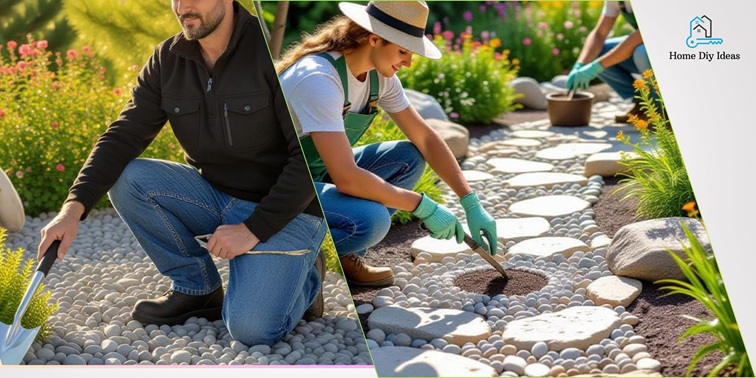

When I first started planning my yard makeover, I thought rocks were just decoration. But I soon realized that landscaping rocks can completely transform a space — both visually and functionally. The right rocks can add structure, improve drainage, reduce maintenance, and create a timeless outdoor design.
In this guide, I’ll walk you through the most popular types of landscaping rocks, how to use them effectively, and practical tips that homeowners like you can apply immediately.
Why Landscaping Rocks Matter
Landscaping rocks serve multiple roles in any outdoor design:
- Functionally: Improve drainage, prevent erosion, and act as long-lasting mulch alternatives.
- Aesthetically: Add contrast, texture, and natural color variation.
- Practically: Low-maintenance, weather-resistant, and ideal for all climates.
When chosen carefully, rocks bring balance and definition to your yard — blending with greenery, walkways, or water features for a cohesive, elegant look.
Main Types of Landscaping Rocks
Below are the most common and useful rock types, along with real-world homeowner advice.
1. Pea Gravel
What it is: Small, rounded stones about 1/8″–¼″ in diameter.
Best uses: Walkways, patios, dog runs, or filler between pavers.
Pros:
- Excellent drainage
- Affordable and easy to install
- Comfortable underfoot
Cons:
- Needs edging to stay in place
- Can shift under heavy traffic
Pro tip: Keep pea gravel about 2–3 inches deep. Too thin exposes the base; too thick makes it unstable.
2. Crushed Stone / Crushed Granite
What it is: Angular fragments of rock (often granite or limestone).
Best uses: Driveways, base under pavers, pathways, and garden beds.
Pros:
- Provides solid footing and compacts well
- Excellent drainage
- Available in multiple sizes
Cons:
- Sharp edges (less comfortable barefoot)
- Can retain heat in direct sun
Pro tip: Use crushed stone as a stable base layer before adding decorative top layers or pavers.
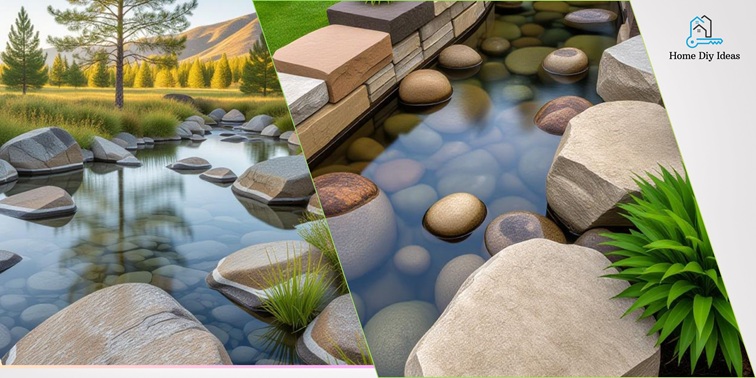
3. River Rock
What it is: Smooth, naturally rounded stones from riverbeds.
Best uses: Water features, dry creek beds, edging, and decorative ground cover.
Pros:
- Smooth and visually pleasing
- Great for drainage
- Comes in many natural colors
Cons:
- Can roll or shift without edging
- More expensive than gravel
Pro tip: Use smaller river rocks for water redirection or drainage areas; larger stones work beautifully as accents.
4. Lava Rock
What it is: Lightweight, porous volcanic rock available in red, black, or brown.
Best uses: Xeriscapes, around firepits, and modern garden designs.
Pros:
- Eye-catching texture and color
- Lightweight and easy to spread
- Retains heat — great for desert plants
Cons:
- Can be too hot near delicate plants
- Fragile texture may crumble over time
Pro tip: Mix dark lava rock with lighter gravel for bold color contrast and depth.
5. Flagstone and Flat Stones
What it is: Large, flat stone slabs — usually sandstone, slate, or limestone.
Best uses: Patios, walkways, and stepping-stone paths.
Pros:
- Elegant, timeless look
- Stable underfoot
- Durable and natural
Cons:
- Labor-intensive installation
- More expensive than loose rock
Pro tip: Space flagstones evenly and fill gaps with gravel or groundcover plants for a natural, integrated appearance.
6. Boulders and Large Accent Stones
What it is: Oversized stones used as focal points or structural anchors.
Best uses: Retaining walls, slopes, or garden centerpieces.
Pros:
- Adds dramatic visual interest
- Helps with erosion control
- Long-lasting and stable
Cons:
- Heavy and costly to move
- Requires professional equipment for placement
Pro tip: Use one or two large boulders strategically — overuse can overwhelm smaller spaces.
Quick Comparison Table
| Rock Type | Ideal Uses | Key Benefits | Considerations |
| Pea Gravel | Walkways, patios | Inexpensive, easy to maintain | Needs edging |
| Crushed Stone | Driveways, base layers | Strong and stable | Sharp texture |
| River Rock | Water features, accents | Natural, smooth, great drainage | Higher cost |
| Lava Rock | Firepits, xeriscape | Lightweight, bold look | Gets hot |
| Flagstone | Patios, walkways | Elegant, flat surface | Costly, labor-intensive |
| Boulders | Retaining walls, focal points | Dramatic, structural | Heavy to move |
How to Use Landscaping Rocks Step-by-Step
1. Plan and Measure
- Sketch your area and decide on purpose — drainage, decoration, or structure.
- Estimate quantity in cubic yards or tons (rock suppliers can assist).
- Pick rock type, size, and color that match your home style.
2. Prepare the Area
- Remove weeds, grass, and debris.
- Level the surface or grade for slope and water flow.
- Install landscape fabric to block weeds if desired.
3. Add Base Material
- For paths and patios: lay 2–4″ of compacted crushed stone or sand.
- For garden beds: skip base, but ensure good drainage.
4. Spread and Level Rocks
- Use a rake for even coverage.
- Keep depth consistent: typically 2–4″ for most installations.
5. Edge and Contain
- Add metal, rubber, or stone edging to hold rocks in place.
- For walkways, border edges reduce spreading and maintenance.
6. Maintain Regularly
- Remove debris or leaves to prevent mold and weeds.
- Rake annually to keep rocks evenly distributed.
- Refill thin areas every few years as needed.
Design Tips for Homeowners
- Contrast Textures: Mix smooth river rock with rough crushed stone for visual balance.
- Color Coordination: Match rock tones with your house and surrounding plants.
- Layer Sizes: Combine large boulders, medium gravel, and fine pebbles for depth.
- Focus Points: Use a cluster of boulders or a flagstone path as your landscape’s anchor.
- Regional Adaptation: In hot areas, choose light-colored rocks to reflect heat; in wet areas, favor well-draining stones.
Maintenance Checklist
- Rake rock beds to maintain even depth.
- Pull weeds or apply a natural weed barrier.
- Clean debris to avoid staining and moss growth.
- Replenish small stones every 2–3 years.
- Inspect edging and borders annually.
FAQ: Landscaping Rocks
Typically 2–4 inches for ground cover. Paths or driveways need deeper layers with compacted base rock.
Yes — they last longer and prevent weeds, but unlike mulch, they don’t enrich soil. Pair with hardy or drought-tolerant plants.
River rock and pea gravel allow excellent water flow and reduce puddling.
Rinse with a garden hose or use a leaf blower to remove debris. For deeper cleaning, scoop and wash with mild detergent.
Absolutely! Combining textures and colors adds visual interest — just ensure the transition feels natural and balanced.
Conclusion
Landscaping rocks can do wonders for your outdoor space — from creating functional walkways to framing flower beds with natural texture. When you understand each type of landscaping rock and how to use it strategically, you can design a yard that looks professional, lasts for years, and requires minimal upkeep.
If you’re planning a landscape refresh, start small. Choose one area, experiment with rock size and color, and you’ll soon discover how much elegance and structure rocks bring to your home.