
If you’re considering a landscape architecture degree, you’re entering an exciting world where art meets science, and outdoor spaces become purposeful, beautiful, and sustainable. Whether you imagine designing parks, shaping campus grounds, restoring wetlands, or launching your own design business, this degree opens many doors.
To make the most of it, you need more than enthusiasm—you need practical understanding, strategic planning, and a clear view of where the profession is heading. This article explores the career opportunities that come with a landscape architecture degree, offers practical landscaping guidance, and emphasizes professional development based on E-E-A-T (Expertise, Experience, Authoritativeness, Trustworthiness) principles.
What Is a Landscape Architecture Degree?
A landscape architecture degree teaches students how to design outdoor environments that balance function, aesthetics, and ecology. It blends architecture, horticulture, environmental science, and art to shape spaces that people can enjoy and ecosystems can sustain.
Common Coursework
- Site Analysis: topography, drainage, and soil studies.
- Design Studios: developing design concepts, zoning, and layouts.
- Planting Design: plant selection, ecological relationships, and seasonal variation.
- Hardscape Design: paving, walls, decks, and water features.
- Sustainability & Environmental Planning: storm-water management, green roofs, native planting.
- Technical Tools: CAD, GIS, 3D modeling, and digital rendering.
- Professional Practice: business operations, client management, and ethics.
Licensing Overview
To become a licensed landscape architect, most regions require:
- A degree from an accredited institution.
- Supervised internship or professional experience.
- Successful completion of a licensing examination.
Career Paths and Opportunities
Traditional Career Paths
| Role | Key Responsibilities | Best Fit For |
| Landscape Architect | Designs parks, campuses, and urban spaces; collaborates with architects and engineers. | Graduates seeking large-scale, public-oriented projects. |
| Landscape Designer | Focuses on residential or small-scale landscapes; develops planting and layout plans. | Creative graduates looking for flexible or self-employed work. |
| Urban or Regional Planner | Manages land-use, zoning, and community design for sustainable growth. | Strategic thinkers who enjoy policy and urban systems. |
| Parks and Recreation Manager | Oversees public parks and green infrastructure. | Graduates who like operations and community impact. |
Emerging and Specialized Roles
- Green Infrastructure Specialist – Designs storm-water systems, bioswales, and eco-friendly drainage.
- Sustainability Consultant – Advises developers on climate-adaptive landscapes.
- 3D Visualization Artist – Creates realistic renders and virtual walkthroughs of designs.
- Restoration Ecologist – Rebuilds damaged ecosystems and native habitats.
- Freelance or Independent Designer – Runs small design studios for residential or commercial clients.
- Researcher or Educator – Teaches design principles and conducts research in ecology or urban design.
Job Outlook and Market Trends
- Employment of landscape architects is expected to grow moderately over the next decade.
- Urbanization, sustainability, and environmental restoration are major growth drivers.
- Skills in technology, sustainable design, and public engagement will continue to be in high demand.
Skills and Tools to Master
Core Skills
- Landscape design principles and creative problem-solving.
- Knowledge of plants, soils, and regional ecology.
- Technical proficiency with design software (CAD, GIS, Adobe Suite).
- Understanding of grading, drainage, and site engineering.
- Strong communication and teamwork abilities.
- Business and client-management knowledge for private practice.
Technical Tools
- AutoCAD or Vectorworks
- Adobe Creative Suite
- GIS software (ArcGIS, QGIS)
- 3D modeling tools (SketchUp, Rhino, Lumion)
- Project management software
Practical Landscaping Tips and How-To Guidance
Site Assessment Checklist
Before you start any design project, use this quick checklist:
- ✅ Analyze soil type and drainage capability.
- ✅ Note topography and slope direction.
- ✅ Observe sunlight exposure and shade patterns.
- ✅ Record existing vegetation to retain or remove.
- ✅ Identify utilities and hardscape constraints.
- ✅ Assess user circulation patterns and access points.
- ✅ Evaluate storm-water runoff and irrigation needs.
Planting Plan Steps
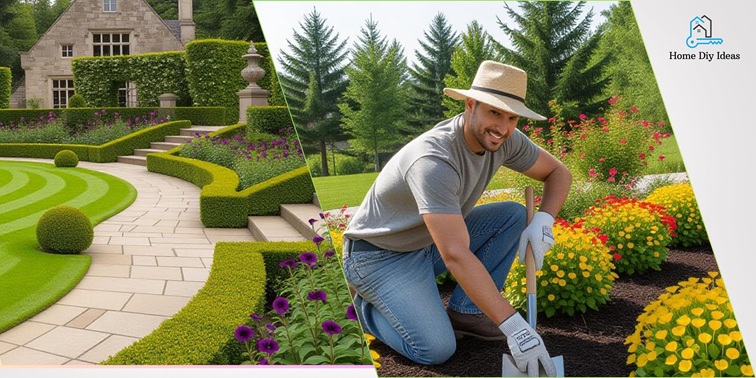
- Define Zones – Identify recreation, relaxation, and utility areas.
- Select Native Plants – Choose species suited to local climate and soil.
- Layer Plantings – Trees for canopy, shrubs for structure, perennials for color.
- Design for Sustainability – Group plants with similar water and sunlight needs.
- Plan for Maintenance – Include easy-care and low-maintenance species.
Hardscape Design Tips
- Use durable materials suited to climate conditions.
- Integrate pervious surfaces to manage runoff.
- Balance hard surfaces with soft planting areas.
- Consider lighting and irrigation during planning, not after installation.
Starting Your Own Landscape Practice
- Build a professional portfolio with your strongest projects.
- Develop a business plan with clear service offerings and pricing.
- Network with contractors, architects, and nurseries.
- Create a brand identity—a logo, website, and social media presence.
- Stay updated with professional licensing and certifications.
- Join industry associations for credibility and growth.
Career Planning Checklist
- Enroll in an accredited landscape architecture program.
- Gain internship experience during study.
- Build a digital and physical design portfolio.
- Develop CAD, GIS, and presentation skills.
- Research local licensure requirements.
- Explore both traditional and emerging career paths.
- Network through professional associations.
- Continue learning about sustainability and new technologies.
- Seek mentorship or internship under licensed professionals.
FAQs About Landscape architecture degree
Not always. A bachelor’s degree is sufficient for many entry-level positions, though a master’s can open doors to academic or senior design roles.
Landscape architects usually hold a licensed degree and design large-scale projects. Landscape designers often focus on smaller residential or commercial spaces without licensure.
Yes. While competitive, the field continues to grow due to environmental awareness and urban green-space initiatives.
Technical design, plant knowledge, sustainability, communication, and project management skills are crucial.
Yes, though most professionals gain experience first. Freelancing is a good way to build credibility and a client base.
Conclusion
A landscape architecture degree is more than an education—it’s a foundation for creativity, sustainability, and impact. Whether you envision designing urban parks, residential gardens, or ecological restoration projects, this degree gives you the tools to shape the spaces where people and nature thrive together.