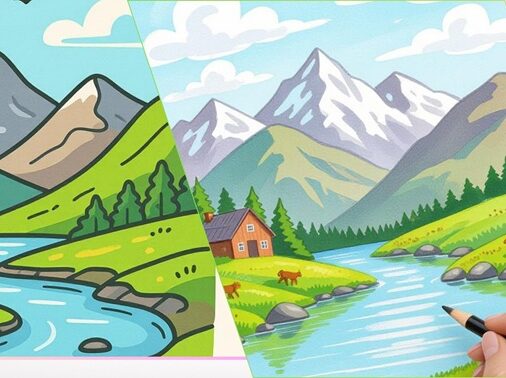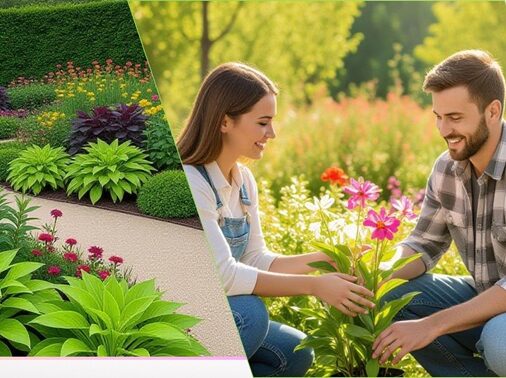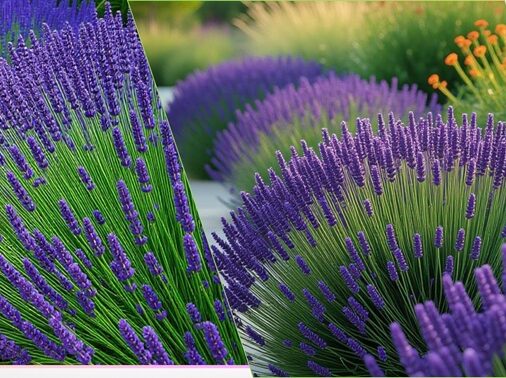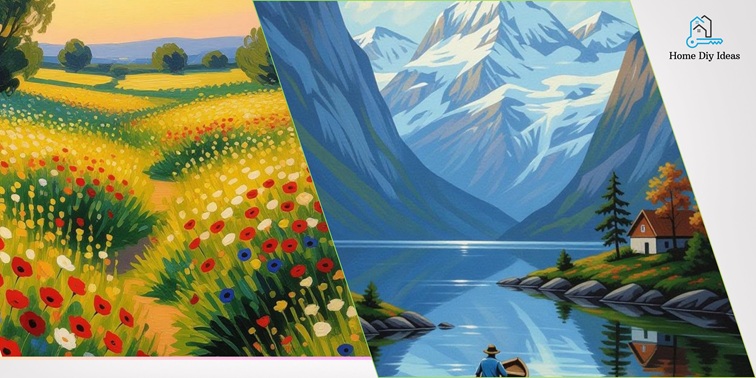

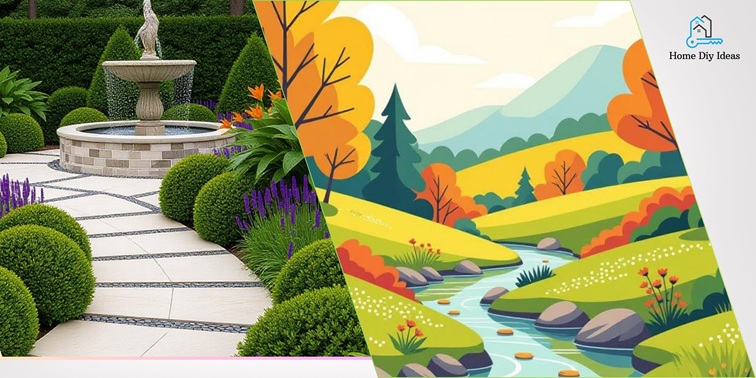
When I pause to admire a sweeping garden view or the subtle curve of a hill, I often think of how legendary artists have captured similar scenes on canvas. Landscape art is not just a reflection of nature—it’s a lesson in composition, light, and emotion. In this article, I’ll explore famous landscape artists and their timeless masterpieces, and show how homeowners can use those same artistic principles to create breathtaking landscapes.
Famous Landscape Artists & Their Masterpieces
1. Caspar David Friedrich (1774-1840)
Friedrich’s Wanderer Above the Sea of Fog evokes stillness, solitude, and the sublime power of nature. His work is characterized by depth, emotion, and open composition.
Landscaping Lessons:
- Create focal points such as a tall tree, statue, or garden feature that draws the eye.
- Use layering—low shrubs, mid-height plants, tall backdrops—to build visual depth.
- Embrace negative space; an uncluttered area gives rest and balance.
2. Claude Monet (1840-1926)
Monet’s Water Lilies and The Japanese Bridge transform gardens into living canvases. His art celebrates reflection, rhythm, and the beauty of changing light.
Landscaping Lessons:
- Use color harmony by grouping plants of similar hues and repeating them for rhythm.
- Add water elements—ponds, fountains, or even reflective stones—to mimic light play.
- Consider sunlight direction when placing seating or planting beds for seasonal beauty.
3. Vincent van Gogh (1853-1890)
Van Gogh’s landscapes—like Wheatfield with Cypresses and The Starry Night—burst with emotion and energy. His bold strokes and colors inspire dynamic design.
Landscaping Lessons:
- Introduce curved planting lines for movement instead of rigid rows.
- Combine contrasting textures—tall spiky plants with soft groundcovers.
- Play with vivid color contrasts, such as golden flowers against dark foliage.
4. Albrecht Altdorfer (c.1480-1538)
One of the earliest pure landscape painters, Altdorfer’s Landscape with Footbridge was revolutionary for focusing solely on nature, not people.
Landscaping Lessons:
- Make nature the star—design areas where plants and textures shine without built structures.
- Use pathways or small bridges to lead visitors through your space.
- Plan for seasonal variation with plants that offer changing colors year-round.
How to Apply Artist-Inspired Landscaping
Step-by-Step Homeowner Checklist
☑ Survey your yard: Note sunlight, soil type, slope, and existing trees.
☑ Identify purpose: Do you want relaxation, entertaining space, or a pollinator garden?
☑ Define focal points: Use features like a tree, water bowl, or stone archway.
☑ Sketch layout: Divide zones—seating, lawn, planting beds, and paths.
☑ Pick a color palette: Choose 2–3 main tones with one bold accent.
☑ Balance hardscape and softscape: Mix stone paths with lush greenery.
☑ Budget and timeline: Plan in phases if needed—start with your focal area.
Core Landscaping Design Principles
| Design Principle | Description | Practical Application |
| Unity | Repeat patterns, plants, or materials for cohesion. | Use the same stone type or flower species throughout. |
| Balance | Keep proportions appropriate to house size and yard. | In small yards, use smaller shrubs and compact trees. |
| Rhythm | Guide the eye with flow and repetition. | Plant curved rows or repeating color bands. |
| Contrast | Add visual interest with texture and color differences. | Mix grasses, shrubs, and flowering plants. |
| Scale | Layer from large to small for natural progression. | Place trees first, then shrubs, then perennials. |
Techniques to Elevate Your Landscape
1. Layering for Depth
- Start tall at the back and transition to lower plants.
- Combine textures—broad leaves, fine grasses, and airy flowers.
- Create dimension similar to a painter’s foreground, midground, and background.
2. Light and Reflection
- Use reflective surfaces like water, glass, or polished stones.
- Observe light at morning and evening to highlight key plants.
- Consider lighting fixtures that enhance texture at night.
3. Water-Smart Landscaping
- Choose native, drought-tolerant plants.
- Use mulch to retain moisture and suppress weeds.
- Install drip irrigation for efficient watering.
4. Hardscape Harmony
- Add natural materials like stone, wood, or gravel.
- Curved paths add flow, while straight ones create structure.
- Incorporate benches or sculptures as resting visual points.
5. Seasonal Design
- Use evergreens for structure and deciduous plants for seasonal color.
- Include grasses for movement and texture in winter.
- Add perennials for spring and summer bloom cycles.
Bringing Art to Life in Your Garden
Think of your yard as a living masterpiece—your canvas, your brush, your plants. Use the vision of Monet’s soft reflections, Van Gogh’s movement, and Friedrich’s emotional depth as guides. The principles that make great art—balance, contrast, unity—are the same ones that make a garden feel complete.
Even small adjustments, like introducing a focal element or layering plants, can transform your yard from ordinary to artistic.
FAQ: Landscape Art & Home Design
Look for natural features like a tree, boulder, or water basin. Alternatively, create one with a sculpture or fire pit.
Yes! Use scale carefully. One focal feature, simple repetition, and cohesive color palettes make small spaces feel elegant.
Focus on color and texture. Pick plants that repeat tones (like Monet’s blues and purples) or contrast strongly (like Van Gogh’s yellows and greens).
Refresh mulch and flowers seasonally. Redesign larger elements every few years as trees mature or needs change.
Define one focal area. Plant in layers: tall back, medium center, short front. Add one unique feature like lighting or a reflective element.
Conclusion
From the quiet romance of Friedrich to the light of Monet and the energy of Van Gogh, every artist offers a lesson in seeing. When you translate those lessons into your landscape, you don’t just garden—you create living art.