

When you visit a landscape nursery, you’re not just shopping for pretty foliage—you’re investing in the future of your yard. With the right eye and plan, you’ll choose plants that flourish, fit your site, and elevate your outdoor space with long-term value. Let’s walk through how to approach plant selection and landscaping like an expert.
Why It Matters: Expertise, Experience & Trust
Choosing plants for your yard isn’t just about what looks nice. From an E-E-A-T standpoint (Experience, Expertise, Authoritativeness, Trustworthiness):
- Experience: Advice is grounded in practical landscaping knowledge—soil testing, design layering, and plant acclimation.
- Expertise: Professional-level insights simplified for homeowners.
- Authoritativeness: Built on horticultural best practices for plant health and regional adaptability.
- Trustworthiness: Clear, realistic steps that ensure confident decisions and long-term success.
Step 1: Start With a Site Audit – Know Your Yard
Before you walk into a landscape nursery, map what your yard offers.
✅ Site Audit Checklist
- Sun exposure: Identify full sun (6+ hrs), partial sun (3–6 hrs), and shade areas.
- Soil type & drainage: Determine if it’s clay, sandy, or loamy.
- Moisture zones: Note where water collects or drains quickly.
- Wind & exposure: Check for strong winds, salt spray, or heat pockets.
- Existing structures: Locate trees, fences, patios, and walkways.
- Purpose & style: Define your goals—privacy, pollinators, or easy maintenance.
- Maintenance level: Be honest about how much time and money you’ll invest.
Why This Matters
A plant that doesn’t match your site conditions will struggle, no matter how well it’s cared for. Understanding your environment prevents waste and sets up long-term landscape success.
Step 2: Visit the Landscape Nursery – What to Look For
Armed with your site audit, visit your local landscape nursery prepared to inspect, not impulse-buy.
✅ Plant-Selection Checklist
| Criterion | What to Inspect | Why It Matters |
| Plant health | Look for vibrant leaves, no wilting, pests, or disease. | Healthy plants adapt and grow faster. |
| Root condition | Avoid root-bound plants with circling or exposed roots. | Prevents transplant shock. |
| Size choice | Sometimes smaller is better than oversized specimens. | Smaller plants establish more easily. |
| Correct conditions | Match plant tags to your sun, soil, and water levels. | Ensures long-term survival. |
| Local adaptation | Choose plants suited to your regional climate. | Reduces maintenance and watering. |
| Mature spacing | Know how large each plant will get before planting. | Prevents overcrowding later. |
| Avoid impulse buys | Don’t buy just for looks—fit comes first. | Saves money and disappointment. |
Pro Tip:
Bring a simple diagram or photo of your yard to the nursery. Discuss your zones with staff to confirm compatibility before you buy.
Step 3: Design Your Yard – From Canopy to Ground Cover
Once you’ve chosen the right plants, organize them into layers for a cohesive, healthy landscape.
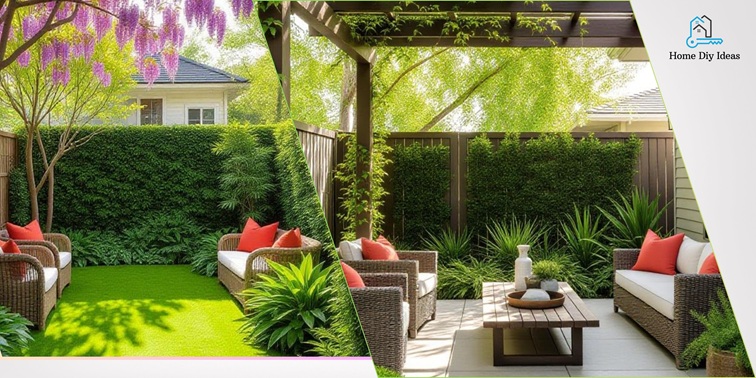
The Layered Planting Approach
1. Canopy Layer (Trees / Large Shrubs)
- Forms the structure and shade of your yard.
- Choose trees that fit long-term space and root spread.
2. Transition Layer (Medium Shrubs / Tall Perennials)
- Bridges the gap between trees and groundcovers.
- Adds volume, color, and texture to mid-height spaces.
3. Surface Layer (Groundcovers / Low Perennials)
- Provides finishing touches, covers bare soil, and adds visual flow.
Planting Design Summary
| Layer | Typical Height | Purpose | Key Tip |
| Canopy | 15–30 ft | Structure, shade, architecture | Plan placement first. |
| Transition | 3–6 ft | Visual balance, texture | Group by water needs. |
| Surface | < 3 ft | Finishing touches, weed control | Repeat for rhythm. |
Design Tips
- Repeat plant groupings for flow.
- Mix leaf textures for contrast.
- Choose plants with different bloom times for year-round appeal.
- Space by water needs to simplify irrigation.
- Use evergreen elements for structure in winter.
Step 4: Match Plant to Purpose & Maintenance Profile
Different yards call for different planting priorities.
Purpose & Use
- Privacy/Screens: Tall, evergreen shrubs or trees.
- Pollinator Gardens: Native flowering plants.
- Low-Maintenance Yards: Drought-tolerant shrubs and groundcovers.
- Color & Accent Beds: Seasonal perennials and decorative grasses.
Maintenance Matrix
| Maintenance Level | Typical Traits | Best Choices |
| Low | Native, drought-tolerant, minimal pruning | Evergreen shrubs, ornamental grasses |
| Moderate | Seasonal trimming and watering | Flowering shrubs, perennials |
| High | Frequent care, high water needs | Tropical or exotic plants |
Pro Tip:
Balance easy plants with a few “wow” plants to create interest without overwhelming yourself.
Step 5: From Nursery to Yard – Smart Planting & Care
Planting & Care Checklist
- Prepare the site—clear weeds and loosen soil.
- Inspect roots and trim circling ones if needed.
- Plant at the same depth as the nursery pot.
- Water thoroughly after planting and mulch to retain moisture.
- Label new plants for easy tracking.
- Photograph your new layout to monitor growth.
- Schedule watering and light pruning in the first year.
Quick Reference: Smart Planting Summary
- Completed site audit
- Chose plants that match yard conditions
- Checked plant health and root quality
- Planned layered design layout
- Grouped plants by water needs
- Prepared soil and mulched
- Established care routine
FAQ Section
Start with your structural (canopy) layer first. Add transition and surface layers over time to spread out cost and effort.
Smaller plants are often a better investment—they adapt quickly and experience less transplant stress.
Native species are better suited to local weather, require less maintenance, and support pollinators.
Expect noticeable structure within one year and full maturity in about three to five years, depending on plant types.
Conclusion
Your landscape nursery is more than a store—it’s the starting point for a thriving outdoor space. When you pair smart planning with quality plants, you transform your yard into a living extension of your home.
So, take your checklist, visit your local nursery this weekend, and choose one standout plant to begin. Each thoughtful addition brings you closer to a lush, functional, and beautiful yard that grows with you—season after season.