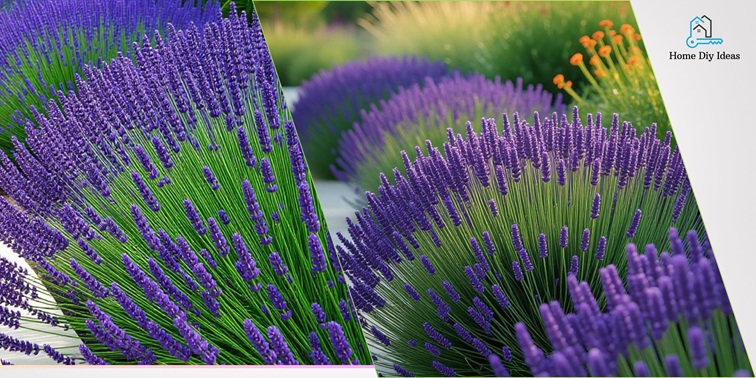

When I first planted lavender in my own yard, I didn’t imagine how much more than a “pretty purple plant” it could become. Beyond its blooms and scent, lavender offers structure, pollinator value, scent-memory triggers, and low-maintenance appeal. In this article, I’ll walk you through not only what you can do with lavender in your landscape, but how to design it into a beautiful, functional outdoor space.
Why Lavender Belongs in Your Landscape
I believe lavender deserves a place not just for its blossoms, but for what it does.
Key Benefits:
- Scent and sensory appeal: Walking through a lavender path creates a relaxing, fragrant experience.
- Pollinator magnet: Bees and butterflies thrive around lavender, improving your garden’s ecosystem.
- Low-maintenance beauty: Once established, lavender thrives in sun and well-draining soil with minimal care.
- Design versatility: Works in borders, hedges, containers, or rock gardens.
- Functional impact: Helps stabilize slopes, defines edges, and deters some pests naturally.
In short: with the right variety and thoughtful placement, lavender isn’t just decorative—it’s strategic landscaping.
Choosing the Right Lavender for Your Landscape
Know Your Varieties
| Species / Hybrid | Key Features | Best Use |
| Lavandula angustifolia (English lavender) | Compact, fragrant, hardy | Cooler climates, borders, hedges |
| Lavandula x intermedia (Lavandin) | Larger, strong scent | Warm climates, mass plantings |
| Lavandula stoechas (Spanish/French) | Distinct flower shape | Mild climates, container designs |
Pro tip: If you live in a humid region, go for hardier varieties like ‘Phenomenal’ or ‘Hidcote’ that resist humidity and moisture better.
Checklist: Ideal Conditions for Thriving Lavender
- ☑ Full sun for at least 6–8 hours daily
- ☑ Well-draining soil (avoid heavy clay)
- ☑ Neutral to slightly alkaline pH (6.5–7.5)
- ☑ Good air circulation
- ☑ Raised beds or containers in wet climates
If your garden soil tends to stay damp, consider building a raised bed or mixing in coarse sand and gravel for drainage.
How to Design with Lavender: Step-by-Step for Homeowners
Step 1: Define Your Goal
Ask yourself:
- Do I want lavender as a front-entry accent?
- A border or hedge for definition?
- A mass planting for visual impact?
- A container feature for flexibility?
- Or a pollinator-friendly zone?
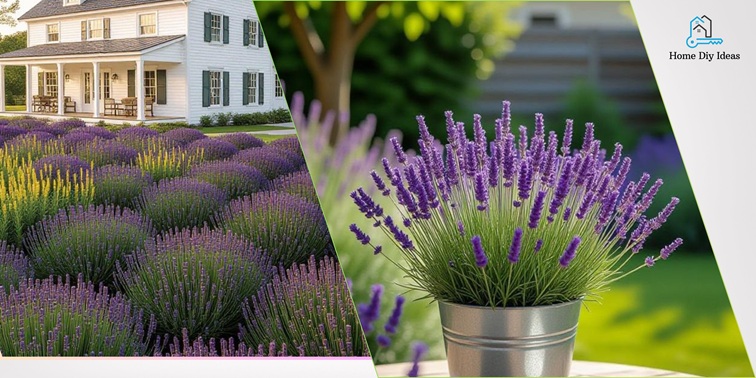
Step 2: Map the Site
Sketch your garden and note sun exposure, slope, and focal areas. I personally like placing lavender near walkways or gates—it greets you with fragrance every time you pass.
Step 3: Plan Placement and Spacing
- Pathway borders: Space 12–18 inches apart for a continuous edge.
- Mass plantings: Use groupings of 6–10 plants of the same variety for unity.
- Containers: Use 12- to 18-inch pots with fast-draining mix.
- Slopes: Choose spreading types and use gravel mulch for erosion control.
Step 4: Planting the Right Way
- Prepare the soil—mix in sand or grit if dense.
- Dig holes just deep enough for roots.
- Plant in spring or early fall for best establishment.
- Water deeply once, then sparingly thereafter.
Step 5: Maintenance Made Simple
Seasonal Lavender Care Checklist:
| Season | Task | Details |
| Spring | Prune by one-third | Encourages dense new growth |
| Summer | Deadhead if desired | Keeps appearance tidy |
| Fall | Reduce watering | Avoid soggy roots |
| Winter | Protect from heavy rain | Use gravel mulch or bring containers under cover |
Pruning yearly is crucial—cut back lightly after flowering but avoid cutting into the woody base.
Lavender Landscape Uses at a Glance
| Use Case | Ideal Location | Design Benefit |
| Pathway border | Along walkways | Fragrance and soft color framing |
| Hedge | Garden edge or driveway | Structure and privacy |
| Container accent | Patio or deck | Portable, aromatic charm |
| Rock garden | Dry sunny area | Natural, Mediterranean look |
| Slope planting | Terraces or hillsides | Erosion control |
| Pollinator zone | Herb or flower garden | Supports bees and butterflies |
Design Ideas & Companion Plants
Design Inspirations:
- Combine lavender with ornamental grasses for texture contrast.
- Pair with silver-leaf plants like artemisia or lamb’s ear for a cohesive tone.
- Mix with roses or catmint for romantic, cottage-style gardens.
- Use in gravel pathways for a Mediterranean feel.
- Frame entryways or patios with symmetrical lavender plantings.
My Tip: Keep plant companions drought-tolerant to avoid mismatched watering needs.
Common Mistakes to Avoid
- Overwatering or planting in poorly draining soil
- Neglecting pruning—causes woody, leggy plants
- Using heavy mulch that traps moisture
- Planting too close in humid climates (reduces airflow)
- Mixing too many lavender varieties in one border (uneven appearance)
FAQ: Lavender Landscape Uses
Yes, but choose hardy varieties and ensure excellent drainage. Raised beds and gravel mulch help immensely.
Only when the soil is dry several inches below the surface. Overwatering is a common killer.
Prune lightly in early spring or right after flowering. Always leave some green growth above woody stems.
Absolutely. English lavender varieties make wonderful low hedges with annual trimming.
Yes, its essential oils naturally deter some insects, making it a great companion near patios and seating areas.
Conclusion
If you’re ready to elevate your outdoor design, think beyond ordinary shrubs. Lavender can define a path, soften a slope, or bring scent and serenity to your garden. Start by selecting the right species, preparing well-drained soil, and mapping a sunny spot.