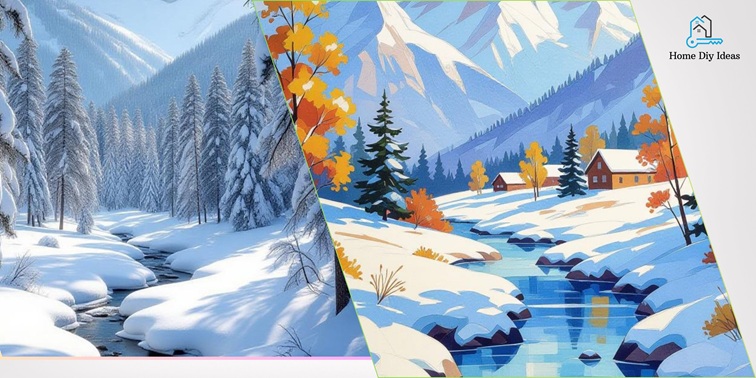

When I first faced a snow-covered yard, I saw it as lifeless and dull. But over time, I realized snow is nature’s most powerful design tool — transforming even the simplest landscape into a serene canvas of light, form, and texture.
In this guide, I’ll share how to view landscaping with snow as both art and function — blending aesthetic inspiration with practical design steps. We’ll explore how snow interacts with structure, color, and light, and how to design a landscape that thrives in the heart of winter.
Why “Landscape with Snow” Matters
A snowy yard isn’t empty — it’s minimalism perfected. Snow reflects light, defines contrast, and enhances every shape it touches. Bare trees reveal structure, evergreens shine in contrast, and textures like bark, stone, and ornamental grass become visual poetry.
Designing with snow instead of against it means your landscape remains stunning, peaceful, and functional all season long.
1. Start with Structure: The Framework of Winter Beauty
Define the “Bones” of Your Snow Landscape
When leaves and flowers are gone, structure is what remains. It guides the eye, creates rhythm, and gives your yard identity under snow.
Key elements:
- Evergreens – Provide color and form all winter. (Spruce, boxwood, holly)
- Hardscapes – Paths, walls, benches, and sculptures maintain presence.
- Deciduous trees with bold shapes – Birch, maple, or dogwood stand out beautifully against white.
Step-by-step planning:
- View your yard from key windows — note where your eyes naturally go.
- Add vertical anchors like evergreens or stone pillars to break the white expanse.
- Introduce focal points (a red-branch shrub, birdbath, or lantern) that hold visual weight under snow.
- Shape paths or borders to direct snowdrifts and improve meltwater flow.
2. Use Snow as a Design Element
Light, Texture, and Contrast
Snow doesn’t just blanket — it sculpts. Its smoothness makes color, shadow, and light more pronounced.
Design ideas:
- Color pops: Red twig dogwood or winterberry add visual warmth.
- Lighting: Subtle path or uplights turn snow into a soft reflector.
- Texture balance: Mix smooth snow with rough bark, rocks, or ornamental grasses.
- Drift design: Use mounds or berms to let snow settle naturally in artistic contours.
Snow Landscape Checklist
- Choose 1–2 shrubs with vibrant winter color.
- Add low-voltage lighting that highlights snow textures.
- Keep paths visible with dark pavers or gravel edges.
- Plan drift zones away from delicate plants or structures.
3. Planting Guide: What Thrives in Snowy Landscapes
Snow-Friendly Plant Recommendations
| Plant Type | Why It Works in Snow | Best Practices |
| Evergreens | Maintain structure and color | Space evenly for balanced composition |
| Color shrubs (e.g., dogwood, winterberry) | Bright contrast in snow | Prune lightly to encourage color growth |
| Ornamental grasses | Add texture and motion | Leave seed heads intact through winter |
| Trees with unique bark (birch, maple) | Striking silhouettes | Protect trunks from ice and snow piles |
| Container evergreens | Portable accents | Use frost-proof planters and elevate for drainage |

How to Implement
- Assess your yard in late fall — what structure remains visible?
- Plant evergreens or dogwoods where snow naturally accumulates.
- Keep 20–30% of your space evergreen for consistent visual appeal.
- Use mulch to insulate roots and prevent frost heave.
- Prune only when plants are fully dormant.
4. Paths, Lighting, and Views for Winter Functionality
Create Accessible, Beautiful Winter Spaces
Even under snow, your yard should invite you outside — or at least, draw your gaze.
Key considerations:
- Paths: Use dark materials for contrast. Keep them wide for easy shoveling.
- Lighting: Install fixtures at low angles to illuminate snow surfaces softly.
- Snow Storage: Designate snow-dump zones to avoid plant damage.
- Entry Aesthetics: Frame walkways with evergreens or pots for year-round charm.
Practical Steps
- Map out your snow-clearing path before winter.
- Slightly slope paved surfaces (1–2%) for proper melt drainage.
- Use textured, non-slip materials like cobblestone or brushed concrete.
- Highlight focal elements like sculptures or bird feeders with warm LED light.
5. Maintenance & Seasonal Care
Protect Your Winter Landscape
Winter’s freeze-thaw cycle demands proactive care.
Tips:
- Gently shake snow from flexible shrubs after storms.
- Avoid piling salted snow on plant beds.
- Inspect hardscapes after thaw for cracks or frost shift.
- Refresh mulch in spring to retain soil health.
- Keep bird feeders stocked — they add motion and life to snowy gardens.
Quick Maintenance Checklist
- Clear snow within 24 hours of storms.
- Use sand or eco-safe deicers.
- Protect plant bases from heavy drifts.
- Check lighting and drainage post-thaw.
FAQ: Homeowner Questions
Yes. Most hardy shrubs and evergreens can withstand snow. The key is proper pruning and spacing to avoid branch breakage.
Red and gold tones pop most vividly against snow. Add these through bark, berries, or containers.
Incorporate lighting, texture, and focal points like benches or sculptures. Even from indoors, they create visual warmth.
Avoid them whenever possible. Salt damages roots and soil. Use sand or calcium magnesium acetate instead.
Yes! Winter is ideal for designing structure, lighting, and plant layout. You’ll see your yard’s true form clearly.
Conclusion
Snow isn’t a pause — it’s a new palette. By embracing its textures, light, and quiet simplicity, your landscape can become as stunning in January as it is in June.
Start small: add one winter shrub, one path light, or one artistic focal point this season. Observe how it interacts with snow, then expand next year.