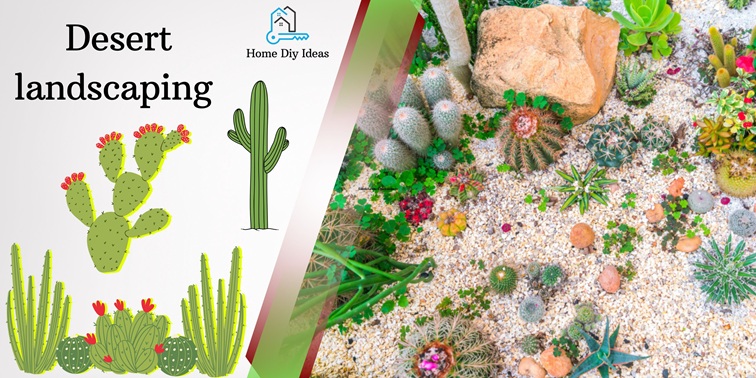

I first fell in love with desert landscaping twenty years ago when I watched a neglected, sun-baked front yard in Arizona transform into a textural, low-water oasis. That experience taught me that with thoughtful design, even the most challenging dry climate can feel inviting and alive. As a landscape designer specializing in arid environments, I’ve since helped hundreds of homeowners create beautiful, sustainable outdoor spaces that thrive with minimal water.
In this comprehensive guide, we’ll explore desert landscaping ideas that not only survive but thrive in dry conditions. You’ll discover how to design layouts, implement smart water management, choose resilient plants, and shape outdoor spaces that reflect the serene beauty of desert life while cutting your water usage by up to 70%.
Understanding the Desert Context: Climate, Soil, and Constraints
Successful desert landscaping begins with understanding your specific environment. The American Southwest alone contains several distinct desert regions—from the Sonoran Desert with its two rainy seasons to the higher-elevation Mojave—each with unique considerations.
Key Environmental Realities
- High heat and sunlight – Intense UV exposure stresses non-native plants and fades materials.
- Low rainfall – Sporadic rain patterns demand water-smart design strategies.
- Poor or compacted soils – Often sandy or clay-based with low organic matter, requiring amendment.
- Rapid evaporation and wind – Surface moisture disappears quickly, increasing irrigation needs.
- Temperature swings – Hot days and cool nights stress shallow-rooted plants.
To succeed long-term, design with these realities rather than fighting against them. This approach not only creates more resilient landscapes but significantly reduces maintenance requirements.
Design Principles for Desert Landscaping
After designing hundreds of desert landscapes, I’ve found these five principles consistently yield the best results:
- Right plant, right place – Match species to specific sun exposure, soil conditions, and water availability.
- Layer for texture and shade – Use height variation and strategic planting to create microclimates.
- Hardscape intentionally – Use rocks, gravel, and pathways as both functional and aesthetic elements.
- Capture and slow water – Design swales, berms, and basins to maximize rare rainfall.
- Design in phases – Build gradually to manage costs and learn what works in your specific microclimate.
These principles form the foundation of every successful desert landscape I’ve designed or encountered.
Desert Landscaping Ideas: Layouts That Work
Based on successful projects across Arizona, New Mexico, Nevada, and California, these layout patterns consistently create beautiful, functional desert landscapes:
1. The Radiating “Oasis Core” Layout
- Place a focal point such as a specimen tree, water feature, or sculpture in the center.
- Radiate outward with planting beds or paths like sun rays.
- Closest zone: Transitional or partial-shade plants (like Desert Willow or Red Bird of Paradise).
- Middle zone: Hardy shrubs and succulents (such as Texas Sage or Agave).
- Outer zone: Gravel, cacti, and boulders for low-water perimeter definition.
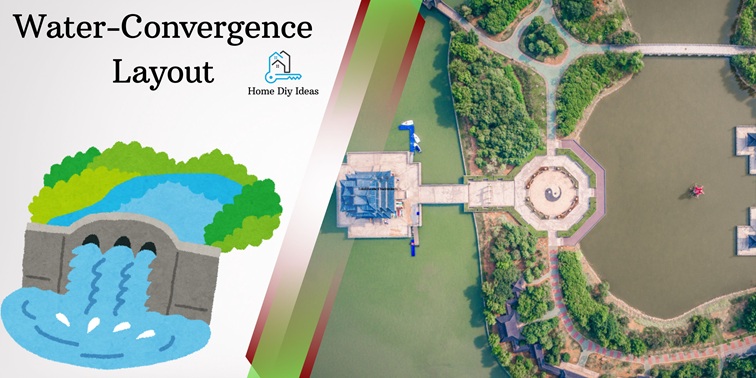
2. The “Water-Convergence” Layout
- Ideal for sloped yards. Shape shallow channels (swales) that direct runoff to planting basins.
- Plant moisture-tolerant species like Desert Willow or Arizona Sycamore where water collects.
- Use dry creek beds lined with local river rock to slow erosion and add visual flow.
3. The “Series of Outdoor Rooms”
- Divide your yard into intimate “rooms” using low walls, gravel paths, or elevation changes.
- Give each zone a specific theme—entertainment patio, succulent garden, or native pollinator bed.
- Create distinct microclimates through strategic placement and shading structures.
4. Linear or Ribbon Layout (for Narrow Lots)
- Alternate planting beds and pathways in long stripes or “ribbons.”
- Mix gravel rivers and plant ribbons to elongate visual perspective in small spaces.
- Keep low-growing plants near walkways and taller structural elements along boundaries.
5. Terraced or Stepped Layouts (for Slopes)
- Use retaining walls or natural stone to create flat planting terraces on slopes.
- Assign different plant communities to each level based on water flow and sun exposure.
- Terraces naturally slow runoff, reduce erosion, and allow for diverse textural combinations.
Step-by-Step Guide: How to Build Your Desert Landscape
Step 1: Pre-Design & Site Assessment
- Map your yard – Sketch orientation, slope, existing features, and drainage patterns.
- Note sun exposure – Track morning vs. afternoon sun areas throughout the day.
- Identify soil types – Conduct a percolation test or consult your local NRCS office for soil information.
- Plan functional zones:
- Zone A: Near house, partial shade (herbs, container plants)
- Zone B: Core drought-tolerant beds (native shrubs, succulents)
- Zone C: Outer edge, minimal irrigation (cacti, gravel gardens)
- Create a phased plan – Tackle one zone at a time to control costs and refine your approach.
Step 2: Soil Preparation
- Loosen compacted soil to 12–18 inches using a digging fork or tiller.
- Mix in coarse sand or decomposed granite (⅓ volume) for improved drainage.
- Add 2-3 inches of compost to sandy soils for better water retention.
- On slopes, stabilize with jute netting or gravel mulch to prevent erosion before planting.
Step 3: Installation
Use this homeowner checklist for efficient installation:
- Mark bed edges and paths with landscape spray paint or string lines.
- Lay drip irrigation lines before backfilling amended soil.
- Plant large “anchor” shrubs and trees first, following proper planting depth guidelines.
- Fill around them with mid-tier and groundcover plants, grouping by water needs.
- Add decorative rock, mulch, and accent boulders to complete the composition.
- Step back often during installation to check proportions and sight lines from key viewpoints.
Step 4: Irrigation Strategy
- Choose drip irrigation with pressure-compensating emitters for precise water delivery.
- Install separate zones by water need—succulents on one valve, shrubs on another.
- Add soil moisture sensors or smart controllers to prevent overwatering.
- Water deeply but infrequently to encourage deep root growth and drought resilience.
Step 5: Mulching & Groundcover
- Use ⅜-inch gravel or decomposed granite as mulch (2–3 inches deep).
- Keep rocks 3-5 inches away from plant crowns to prevent heat damage and rot.
- Combine inorganic mulch with living groundcovers such as:
- Sedum (Stonecrop) – Various colors, extremely drought-tolerant
- Delosperma (Ice Plant) – Vibrant flowers, spreads nicely
- Lantana montevidensis (Trailing Lantana) – Purple flowers, heat-loving
Step 6: Seasonal Maintenance
| Season | Key Tasks | Expert Notes |
| Spring | Deep soak, prune, refresh mulch | Primary growth period; fertilize if needed |
| Summer | Minimal watering, shade new plants | Monitor for heat stress; water early morning |
| Fall | Clean drip emitters, add compost | Ideal planting time for most desert species |
| Winter | Protect frost-sensitive plants | Dormant season; good for hardscape projects |
Sample Plant Palette for Dry Climates
| Plant | Role | Water Need | Design Notes |
| Palo Verde | Shade canopy | Low | Ideal centerpiece; beautiful green bark |
| Agave americana | Architectural focal point | Very low | Striking silhouette; use sparingly |
| Red Yucca | Vertical accent plant | Low | Coral flowers attract hummingbirds |
| Golden Barrel Cactus | Sculpture-like element | Very low | Perfect near rock mulch; slow growing |
| Desert Marigold | Seasonal groundcover | Very low | Bright yellow blooms spring through fall |
| Texas Sage | Mid-layer shrub | Low | Purple flowers after rain; silvery foliage |
| Desert Spoon (Dasylirion) | Structural accent | Very low | Wind-resistant; dramatic flower spikes |
| Muhly Grass | Texture & motion | Low | Pink blooms in fall; softens hardscapes |
For region-specific plant recommendations, consult your local native plant society or university extension service.
Advanced Design Tips for Maximum Impact
- Create micro-shade islands – Cluster plants or position boulders to create cooler root zones for more sensitive plants.
- Use stone to store heat – Darker rocks absorb warmth by day, releasing it at night to protect against frost damage.
- Contrast textures deliberately – Pair fine-leafed plants like Mexican Feather Grass with bold succulents like Agave.
- Borrow surrounding views – Align paths or frame vistas to incorporate distant mountains or natural features.
- Highlight forms at night – Install soft LED uplights to showcase sculptural cacti and trees after dark.
- Plan for mature size – Leave adequate space between plants; desert species often expand more than expected.
Sustainable Water Management in Desert Landscaping
- Catch Rain Where It Falls – Shape the ground to create shallow basins that direct runoff to planting areas.
- Use Greywater Systems – Recycle laundry or shower water (where local codes allow) for irrigation.
- Choose Smart Controllers – Weather-based irrigation controllers adjust watering based on actual conditions.
- Mulch Generously – Proper mulching reduces evaporation by up to 70% according to EPA WaterSense.
- Limit Lawn Areas – Replace turf with gravel gardens, stepping stones, or hardy groundcovers to reduce water use by 80-90%.
Why This Approach Works
This methodology blends aesthetics, ecology, and long-term sustainability. By working with your local climate instead of against it, you can:
- Reduce outdoor water bills by 50-70% compared to traditional landscapes.
- Cut maintenance time by 50–70% once plants are established.
- Create valuable habitat for pollinators, birds, and local wildlife.
- Build an outdoor environment that naturally stays balanced with minimal intervention.
- Increase property value with attractive, low-maintenance landscaping.
Conclusion
The true charm of desert landscaping isn’t about compromise—it’s about clarity of purpose. When every plant, rock, and pathway earns its place through both beauty and function, you create an outdoor environment of enduring beauty that respects its natural context.