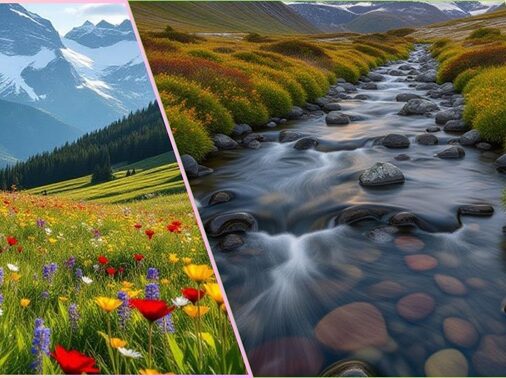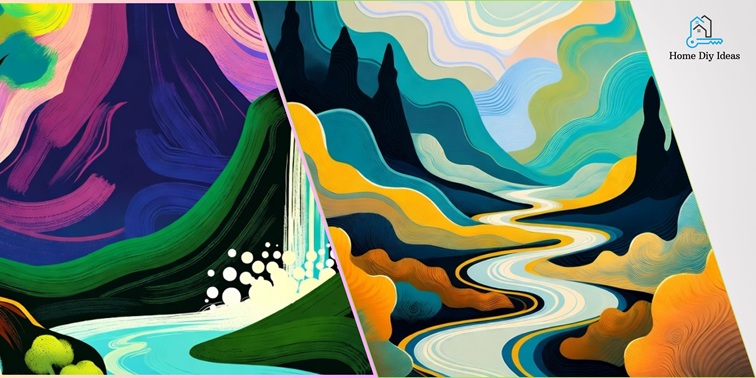

Nature is already a masterpiece—but what if we could reimagine it through a more creative lens? Abstract landscape art allows us to do just that. As a landscape designer, I’ve learned that abstraction isn’t about distortion—it’s about seeing familiar shapes, colors, and patterns in new, emotionally resonant ways. In this guide, I’ll show you how to bring that same artistic energy into your yard, garden, or outdoor space.
What Is Abstract Landscape Art?
At its core, abstract landscape art simplifies or reinterprets natural forms—mountains, trees, water, and sky—using shape, color, and texture rather than realistic detail.
In landscaping, this philosophy translates into designing outdoor spaces that emphasize emotion and form over literal representation. Think geometric plant beds inspired by aerial landscapes, or a garden pathway echoing the fluid motion of a river.
How to Bring Abstract Art Principles into Landscape Design
1. Start with an Artistic Concept
Before touching soil, define the emotion or story you want your yard to tell.
Ask yourself:
- What colors evoke calm or creativity for me?
- Do I want my garden to feel structured or spontaneous?
- Which natural elements inspire me—desert lines, forest textures, ocean tones?
A concept board with images or sketches helps visualize your idea.
2. Focus on Shape and Form
In abstract landscaping, form is everything.
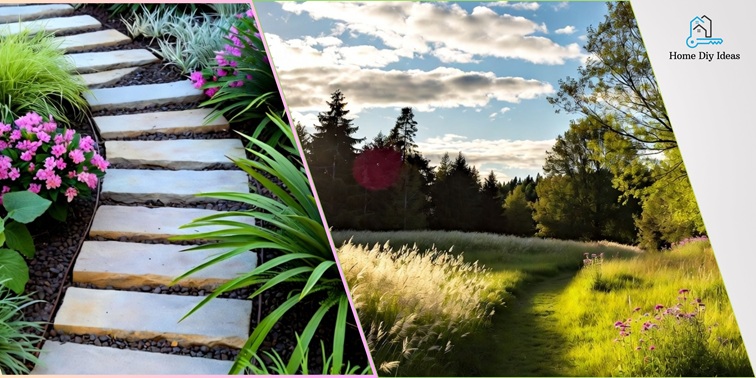
- Use curved pathways to represent fluidity or movement.
- Incorporate asymmetrical plant groupings to break predictable patterns.
- Add sculptural stones or modern planters to emphasize contrast and rhythm.
Think like an artist—composition matters as much as the plants themselves.
3. Play with Color and Texture
Instead of painting, use foliage and materials as your color palette.
Try:
- Bold contrasts: silvery-blue grasses beside deep purple salvias.
- Texture layering: smooth gravel, coarse bark, and soft moss.
- Seasonal variation: plants that shift hue over time add living depth.
Pro Tip: When I design with abstraction in mind, I use at least three contrasting textures to keep the landscape visually dynamic.
4. Embrace Minimalism
Abstract art often thrives on restraint.
Avoid cluttering your landscape with too many focal points.
Use negative space—areas of open ground, water, or mulch—to let your main elements breathe.
This approach creates a sense of serenity and modern sophistication.
5. Incorporate Sustainable Elements
True creativity respects nature. Use:
- Native plants to reduce water use.
- Recycled or local materials for pathways and borders.
- Solar lighting to highlight shapes and textures after dark.
Abstract doesn’t mean artificial—it’s harmony through intention.
Checklist: Creating Your Abstract Landscape Art Garden
| Task | Description | Completed |
| Define artistic theme | Choose mood, color palette, and inspiration | ☐ |
| Sketch layout | Experiment with geometric or fluid shapes | ☐ |
| Select plants by texture & hue | Mix bold, neutral, and transitional tones | ☐ |
| Choose sustainable materials | Native plants, recycled stone, solar lighting | ☐ |
| Add sculptural accents | Modern planters, metal art, or boulders | ☐ |
| Balance negative space | Leave breathing room between design zones | ☐ |
Techniques for Homeowners: Making Abstract Landscaping Work
Layered Depth Design
Use overlapping heights—shrubs, perennials, and groundcovers—to mimic abstract painting depth.
Contrast and Rhythm
Alternate smooth and rough textures in repeating intervals. It builds a visual rhythm like brushstrokes on a canvas.
Lighting as Art
At night, low-voltage or solar lights turn your abstract design into a glowing, living artwork.
Water Reflection
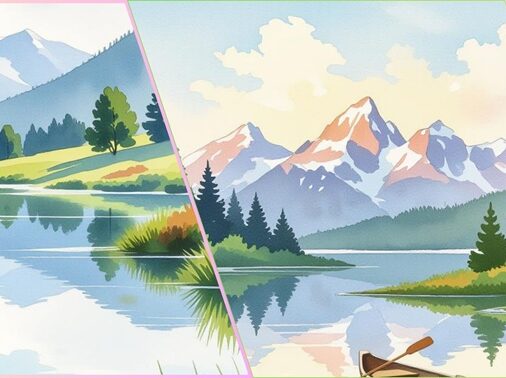
A still pond or reflecting basin can double your abstract shapes—turning one idea into two perspectives.
Common Mistakes to Avoid
- Overcrowding your design—abstraction needs breathing space.
- Ignoring color harmony—clashing hues can overwhelm the composition.
- Using too many materials—stick to a consistent palette for unity.
- Forgetting functionality—paths, seating, and access still matter.
Abstract Landscape Art Inspirations
| Theme | Design Style | Ideal Materials |
| Desert Geometry | Angular stonework, cacti, and sand textures | Limestone, steel planters |
| Coastal Abstraction | Wavy lines, driftwood, soft grasses | Pebble mulch, dune plants |
| Urban Zen | Minimalist shapes and water features | Concrete, bamboo, black gravel |
| Forest Impression | Layered greens, organic paths | Mulch trails, moss, native ferns |
FAQ: Abstract Landscape Art & Landscaping
Absolutely. Abstract design often relies on minimalism, making it perfect for compact spaces. Focus on one strong shape or focal point.
Use nature as your palette. Pair complementary tones like green and purple or blue and orange, then test how they appear in natural light.
Begin with a simple theme—like “movement” or “contrast.” Add one sculptural feature, adjust plant groupings, and build from there.
Yes, when done tastefully. Unique yet balanced designs stand out to buyers, offering curb appeal that feels modern and artistic.
Conclusion
Abstract landscape art invites you to see your yard not as a fixed picture, but as a living composition—a place where nature and imagination meet. By blending artistic abstraction with sustainable landscaping, you don’t just decorate your property—you express it.
So, step outside, grab your sketchbook, and start designing your own masterpiece in the landscape around you.