When I first stared at my own modest 600 sq ft backyard, I felt boxed in by constraints—narrow width, uneven grade, limited sunlight. But that’s exactly the kind of challenge that sparks creative landscape solutions. In this guide, I’ll walk you step-by-step through how to transform a small yard into a lush, usable retreat without turning it into a maintenance nightmare.
If you’re looking for even more creative ideas to make every inch count, be sure to explore our guide to small space landscaping for side yards and narrow areas.
1. Start with a Smart Site Assessment
Before planting or ordering materials, start with data. A short analysis of your yard can prevent costly mistakes later.
Site Audit Checklist
- Dimensions & shape sketch – mark boundaries and irregularities
- Sunlight map – track sun exposure through the day
- Slope & drainage – find puddle zones and high spots
- Existing features – note trees, roots, and utilities
- Views & sightlines – check what you see from windows or seating areas
- Wind & microclimates – identify breezy or shaded corners
- Access points – mark walkways and movement paths
Define Your Priorities
Ask yourself:
- What three uses are non-negotiable?
- What features are optional but nice to have?
This helps you focus your budget and design energy where it matters.
2. Design Strategies for Tight Spaces
2.1 Use Multi-Purpose Zones
Overlap functions to get more out of each square foot:
Don’t forget that side yard landscaping can provide unique opportunities for greenery, pathways, or even seating in unused spaces beside your house.
- Bench seating with built-in planters
- Fold-down table that doubles as a wall planter
- Gravel path that also serves as drainage
- Vertical herb rack on a sunny wall
2.2 Go Vertical
Vertical space is often wasted. Add:
- Ladder planters or pocket walls
- Trellises for vines or espaliered fruit trees
- Hanging baskets or tiered shelving
- Privacy screens covered with climbers
2.3 Visual Tricks for Spaciousness
- Use curved paths to lead the eye
- Repeat materials and colors for cohesion
- Choose light-colored surfaces to reflect light
- Layer plants by height for depth and softness
2.4 Balance Hardscape and Green Space
| Element | When to Use | Benefits |
| Pavers / stepping stones | Main walkways, seating base | Clean, stable, and low-maintenance |
| Gravel / decomposed granite | Between pavers or secondary paths | Permeable and affordable |
| Raised beds | Borders or feature zones | Better soil control and structure |
| Small lawn pocket | Open visual space | Adds texture and softness |
3. Smart Planting for Compact Yards
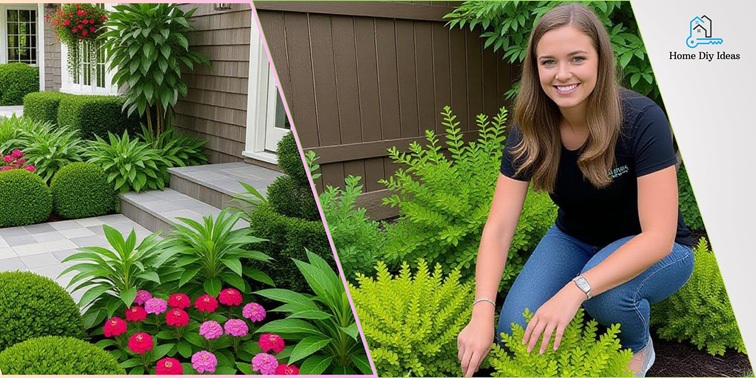
3.1 Pick the Right Plants
Choose native or climate-adapted species—they need less water and care.
Go for compact growers, perennials, and multi-use plants like herbs, dwarf fruit trees, and edible flowers.
3.2 Repeat and Simplify
Limit your palette to a few plant types and repeat them throughout. This keeps maintenance manageable and visually unified.
3.3 Soften Edges
Blend hardscape and plants with:
- Groundcovers or dwarf grasses
- Low shrubs at path edges
- Mulch transitions for a natural flow
3.4 Invite Pollinators
Integrate flowering natives to attract butterflies, bees, and hummingbirds—bringing life and movement to your space.
4. Step-by-Step Backyard Installation Guide
Phase 1: Plan and Prepare
- Confirm property lines and setbacks
- Draft your layout and plant list
- Schedule materials delivery
Phase 2: Site Prep
- Clear debris and weeds
- Grade soil for proper drainage
- Mark zones with stakes or string
Phase 3: Hardscape First
- Lay base materials (crushed stone, gravel)
- Install pavers and seating pads
- Maintain a slight slope away from buildings (1–2%)
Phase 4: Soil & Planting Beds
- Add compost or topsoil mix
- Define borders and edges
- Use breathable weed barriers if needed
Phase 5: Plant & Mulch
- Start with tallest plants in the back
- Stagger planting for fullness
- Water deeply, then mulch 2–3 inches
Phase 6: Final Touches
- Install solar or LED lights
- Add furniture, trellises, or a fire bowl
- Connect drip irrigation or timers
5. Budget, Materials, and Trade-Offs
| Decision Area | Budget Option | Premium Option | Considerations |
| Paving | Gravel or recycled concrete | Natural stone or porcelain | Premium lasts longer, budget saves cost |
| Edging | Metal or plastic | Stone or corten steel | Premium adds definition |
| Mulch | Bark or wood chips | Rubber mulch | Rubber lasts but costs more |
| Furniture | Steel or resin | Teak or composite | Premium resists weather |
| Lighting | Solar spikes | Low-voltage LEDs | Solar is easier, LEDs are brighter |
Pro tip: Complete your yard in phases—hardscape first, then plants. This spreads out expenses and prevents rushed decisions.
6. Maintenance That Actually Fits Your Schedule
- Install drip irrigation with timers
- Refresh mulch annually
- Prune lightly and regularly
- Replace annuals with evergreen perennials
- Keep paths clear and edges trimmed
- Check drainage after heavy rain
Low-maintenance doesn’t mean lifeless—it means choosing smarter systems from the start.
7. My Mini Case Study: 20 ft × 30 ft Urban Yard
Here’s what worked for me:
- Raised bed doubling as seating
- Vertical jasmine wall for privacy
- Stepping-stone and gravel path as drainage
- Repeating lavender and rosemary for structure
- Solar uplights and string lights for evening ambience
The result: a multi-use outdoor space that’s easy to maintain and inviting year-round.
FAQs: Backyard Landscaping for Small Yards
How can I make my small backyard feel private?
Use trellises, lattice panels, or layered shrubs to block views while letting light filter through.
Is a lawn worth it in a small yard?
Yes, but keep it small—just enough for texture or lounging. Use drought-tolerant or no-mow varieties.
What’s the best path layout?
A gentle curve or offset stepping stones make the yard appear longer and add movement.
How do I handle poor drainage or slopes?
Use gravel paths, raised beds, or gentle terraces. Always grade surfaces away from the house.
How much upkeep should I expect?
With drip irrigation and smart planting, about 30–60 minutes weekly after the first year.
Can I mix edible and ornamental plants?
Absolutely—combine herbs, dwarf fruit trees, and edible flowers for beauty and function.
Conclusion
A small yard isn’t a limitation—it’s an invitation to design with intention. Once you map your goals, embrace vertical layers, and choose the right plants, even the tiniest backyard can feel expansive and full of life.