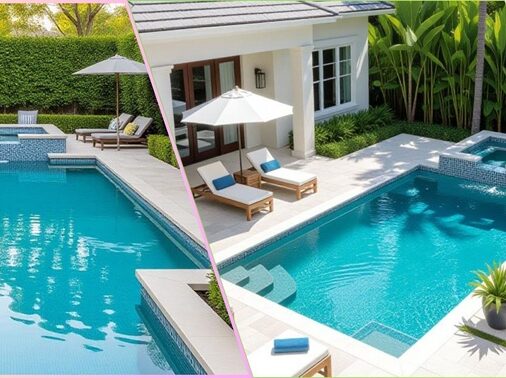
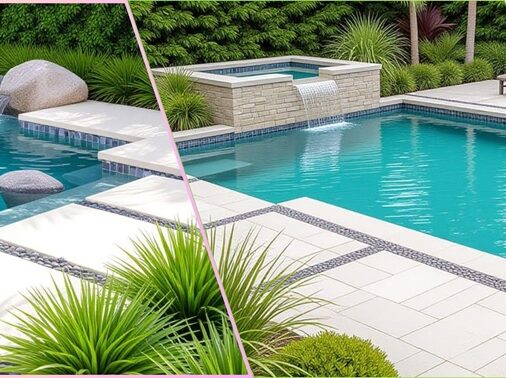
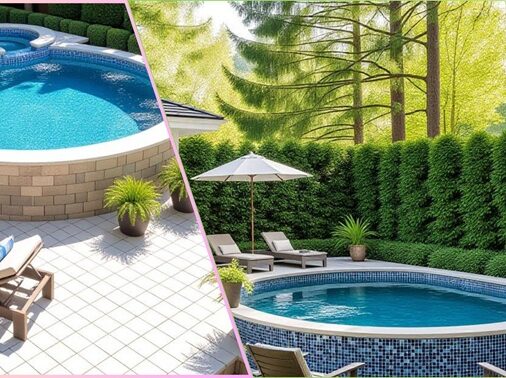
There’s something truly special about a pond in the backyard. As someone who’s designed and landscaped water features for years, I’ve found that a well-executed pond isn’t just an aesthetic add-on—it becomes a sanctuary. When you sit beside rippling water, hear the gentle trickle of a waterfall, or watch dragonflies skimming the surface, you’re transported from daily chaos into calm.
In this guide, I’ll share expert-level pond landscaping ideas that help you design your own peaceful retreat—complete with design strategy, planting tips, and practical maintenance insights.
Start With the Right Site and Shape
Choose the Perfect Location
The pond’s placement defines its success. Here’s how to get it right:
- Visibility & Access: Place it near a seating area, patio, or window so you can enjoy it daily.
- Balance of Sun & Shade: Aim for 4–6 hours of sunlight—enough for aquatic plants but not so much that algae takes over.
- Avoid Tree Roots: Roots can puncture liners and clog pumps.
- Maintenance Access: Make sure you can easily reach your pump and filter for cleaning.
Select a Shape That Matches Your Style
Your pond’s shape sets the tone:
- Free-form Natural: Organic edges with rocks and curved outlines blend seamlessly into the landscape.
- Formal or Geometric: Rectangular or raised ponds suit modern minimalist gardens.
- Compact or Container Ponds: Ideal for patios or small yards—easy to maintain yet visually striking.
Pro Tip: Lay out a hose in the shape of your planned pond. Step back and visualize how it fits into your yard’s flow before you dig.
Landscape Design Around the Pond
Edging & Hardscape for Definition
The pond’s edge transitions water to land. Done well, it feels natural and intentional.
- Use boulders or flagstone to hide the liner.
- Install stepping stones or a gravel path leading to the pond.
- Add a small bench or deck for quiet reflection.
- Blend materials—stone, wood, and metal—for visual contrast.
Hardscape Checklist:
✅ Stones flush with soil level
✅ Seating with clear sightline to water
✅ Non-slip walking surfaces
✅ Hidden mechanical components (pump/filter)

Softscape & Aquatic Planting
Plants transform a pond from sterile to serene. Choose a mix of aquatic, marginal, and border species.
Recommended Pond Plant Layers:
| Zone | Plant Type | Function |
| Deep Water | Water lilies, lotus | Shade and oxygenation |
| Marginal | Cattails, irises | Edge softening and filtration |
| Edge/Border | Ferns, grasses, hostas | Texture and color variety |
Wildlife Tip: Skip fish if you want frogs, dragonflies, and pollinators—they thrive best in fish-free ponds.
Sound, Lighting & Seating: Crafting the Experience
- Water Movement: A small waterfall or bubbling urn adds soothing sound and helps oxygenate the water.
- Lighting: Soft LED uplights or submerged lights create ambiance. Choose warm tones (2700K–3000K) for a natural glow.
- Seating: Provide at least one seating zone facing the pond—perfect for morning coffee or evening relaxation.
- Reflection & View: Allow sky and foliage to reflect on the surface for depth and calm.
Maintenance & Ecosystem Care
Long-term pond health depends on a balance between technology and nature. Here’s my professional maintenance checklist:
| Task | Frequency | Purpose |
| Skim debris and leaves | Weekly | Prevents algae buildup |
| Check water level | Monthly | Protects liner and pump |
| Clean filter/pump | Monthly | Ensures clear water |
| Trim aquatic plants | Every 1–2 months | Prevents decay |
| Test water quality | Quarterly | Keeps ecosystem stable |
| Winter prep (if applicable) | Annually | Protects system and plants |
Expert Tips:
- Use a high-quality EPDM liner for longevity.
- Rely on plants as natural filters instead of chemicals.
- Conceal pumps and tubing beneath rocks or planters for a seamless look.
- For homes with children, opt for gentle slopes or raised ponds for safety.
Pond Design Themes to Inspire You
1. Zen Minimalist Pond
- Smooth boulders, dark liner, Japanese maple accent.
- Still water surface for mirror-like reflections.
- Ideal for meditation or modern courtyards.
2. Wildlife Haven Pond
- Native aquatic plants, shallow shelves, and a natural edge.
- Invites birds, frogs, and butterflies for a living landscape.
3. Modern Geometric Oasis
- Square or rectangular pond with a sleek spillway.
- Perfect for contemporary homes and minimalist gardens.
4. Petite Patio Pond
- Use a ceramic bowl, wine barrel, or stock tank.
- Add a mini pump and floating lilies for instant charm.
Before You Dig – Planning Checklist
Use this quick list to stay organized:
- Pick the right site (sun, shade, and access)
- Finalize pond size and depth
- Choose liner, pump, and filtration system
- Plan edge treatments and pathways
- Select aquatic and border plants
- Add lighting and seating zones
- Review safety and childproofing needs
- Prepare ongoing maintenance plan
FAQ – Homeowner Questions Answered
Not if designed correctly. A good filtration system, native plants, and consistent upkeep make them surprisingly low effort.
Yes, but they increase maintenance. Fish need deeper water and balanced filtration. For wildlife habitats, avoid fish altogether.
Small DIY ponds can start at a few hundred dollars; large, professional builds may range into thousands depending on materials and complexity.
Hardy water lilies, irises, cattails, and sedges thrive in most zones. Use native plants for better resilience and ecosystem balance.
Absolutely. With proper planning, tools, and patience, a DIY pond is achievable. Just ensure safety, proper lining, and circulation.
Conclusion
A backyard pond is more than a landscape feature—it’s a state of mind. With thoughtful design, balanced planting, and subtle lighting, you can create a retreat that soothes your senses year-round.