When I first started designing my yard, I realized it looked beautiful in summer but faded into dullness during winter. Over time, I discovered that the secret lies in choosing shrubs and bushes that stay visually appealing all year—not just when they bloom.
In this guide, I’ll share expert insights on selecting, planting, and caring for landscaping shrubs and bushes that create year-round structure, texture, and color in any garden.
Why Shrubs Matter: The Backbone of Every Landscape
Shrubs are the framework of a landscape. They do much more than just fill space:
- Provide structure and definition even when flowers fade
- Offer evergreen foliage for winter interest
- Add color, berries, and fragrance in every season
- Act as natural privacy screens or windbreaks
- Require less maintenance than annual flowers
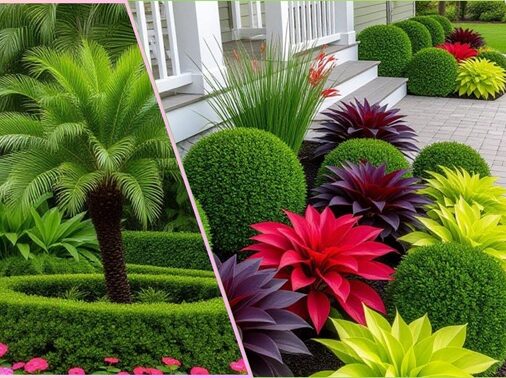
A beautiful yard blends evergreens with deciduous and flowering shrubs for a balance of texture, form, and vibrancy.
Top Shrubs and Bushes for Year-Round Appeal
Here’s a curated list of dependable shrubs, divided into structural evergreens and seasonal interest plants.
Structural & Evergreen Foundations
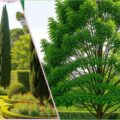
These shrubs provide the bones of your garden — dependable, low-maintenance, and green all year:
| Shrub | Key Features | Ideal Growing Conditions |
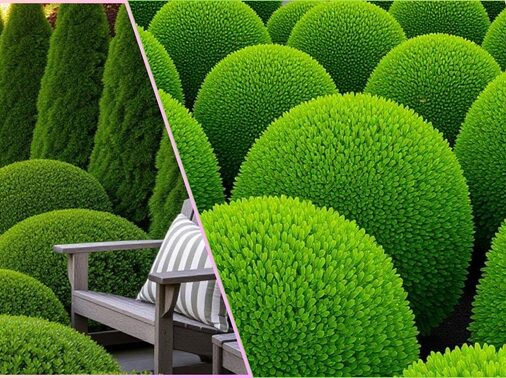
| Boxwood (Buxus spp.) | Classic hedge; great for shaping and borders | Sun to partial shade; well-drained soil |
| Arborvitae (Thuja occidentalis) | Excellent for privacy and vertical height | Full to partial sun; protect from strong wind |
| Blue Holly (Ilex x meserveae) | Glossy green foliage; red berries in winter | Moist, acidic soil; full sun to part shade |
| Wintercreeper (Euonymus fortunei) | Variegated foliage for color contrast | Adapts to sun or shade; moderate watering |
| Sweet Box (Sarcococca confusa) | Fragrant winter blooms and dark leaves | Shade to partial shade; well-drained soil |
| Camellia (Sasanqua or Japonica) | Evergreen with winter or spring blooms | Acidic soil; protection from frost |
| Holly (Ilex spp.) | Berries add color and wildlife value | Requires male/female pair for fruit set |
Seasonal Interest & Accent Shrubs
Complement your evergreens with shrubs that change through the seasons for dynamic beauty.
- Red Twig Dogwood — Bright red winter stems; excellent for contrast in snowy areas
- Azalea / Rhododendron — Evergreen in mild climates; vibrant spring blooms
- Forsythia — Early yellow flowers signal spring’s arrival
- Oakleaf Hydrangea — Offers summer flowers, fall foliage, and interesting bark
- Butterfly Bush (Buddleja) — Long-blooming and attracts pollinators
- Shrubby Cinquefoil (Dasiphora fruticosa) — Hardy, low-growing, continuous yellow flowers
- Smoke Bush (Cotinus coggygria) — Dramatic purple or bronze foliage and airy plumes
Step-by-Step Landscaping Ideas & Design Insights
Here’s a proven framework I use when creating gardens that stay attractive year-round.
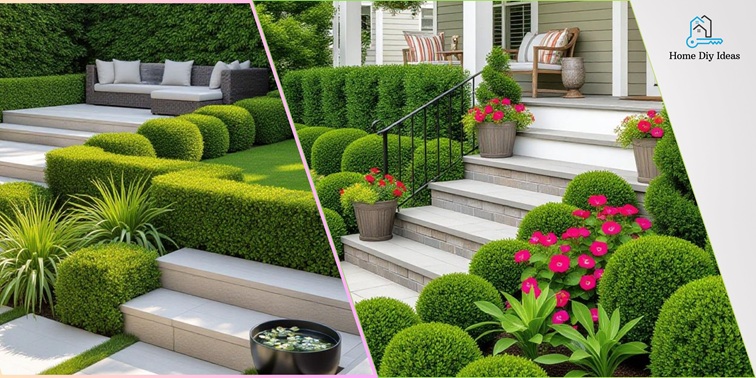
1. Map and Zone Your Yard
- Sketch your space to mark sunlight patterns, drainage, and focal points.
- Identify microclimates (sunny walls, shaded corners, low spots).
2. Start with Evergreen Structure
- Place larger evergreens first to form anchors and privacy zones.
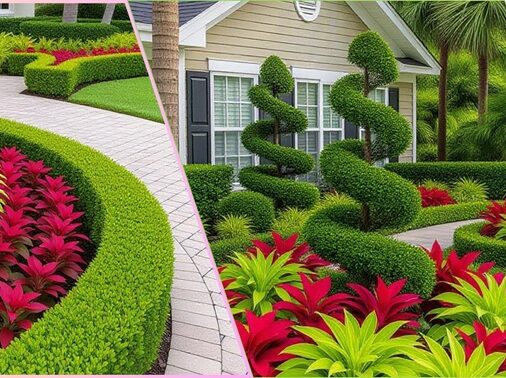
- Use symmetry or repetition for cohesion and flow.
3. Layer in Seasonal Shrubs
- Add flowering or foliage shrubs in front of evergreens for depth.
- Mix textures: combine smooth leaves with coarse or variegated ones.
4. Apply the “Rule of Three”
- Group plants in odd numbers (3, 5, 7) for a natural look.
- Stagger heights to create visual rhythm.
5. Plan for Seasonal Interest
- Spring: Forsythia, Azalea
- Summer: Hydrangea, Butterfly Bush
- Fall: Oakleaf Hydrangea, Smoke Bush
- Winter: Holly, Red Twig Dogwood
6. Planting Checklist
- Test your soil’s pH and drainage.
- Amend with compost if needed.
- Dig a hole twice as wide as the root ball.
- Set plant at ground level; backfill with soil mix.
- Water deeply after planting.
- Mulch 2–3 inches thick, keeping mulch off the base.
- Prune lightly for shape after establishment.
Annual Care Calendar
| Season | Tasks |
| Spring | Prune spring shrubs after bloom; fertilize lightly; mulch. |
| Summer | Deep watering; pest checks; deadhead faded flowers. |
| Fall | Add compost; remove dead branches; prepare for frost. |
| Winter | Wrap young shrubs; water during dry spells. |
Pre-Purchase Shrub Checklist
Before buying any shrub or bush, ask yourself:
- Does it thrive in my hardiness zone?
- What is its mature size and growth rate?
- What kind of sunlight and soil does it need?
- Is it evergreen or deciduous?
- What’s its bloom season or foliage color?
- How much maintenance does it require?
- Is it pet- or wildlife-safe?
FAQ: Common Landscaping Concerns
Yes, but your landscape will look static. Mixing in a few flowering shrubs adds seasonal life and movement.
Space according to mature size—usually 3 to 5 feet apart for medium shrubs to prevent overcrowding.
Boxwood, holly, and red twig dogwood are hardy and visually appealing even in snow.
Light pruning once a year is ideal—immediately after blooming for flowering varieties, late winter for evergreens.
Yes, dwarf varieties of boxwood, holly, and azalea adapt well, provided they’re watered and insulated in winter.
Conclusion
Creating a year-round landscape isn’t about endless blooms—it’s about structure, texture, and planning. By combining evergreen foundations with seasonal showpieces, you can enjoy continuous beauty across all four seasons.