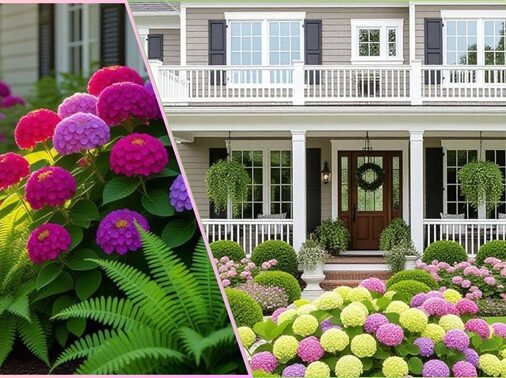
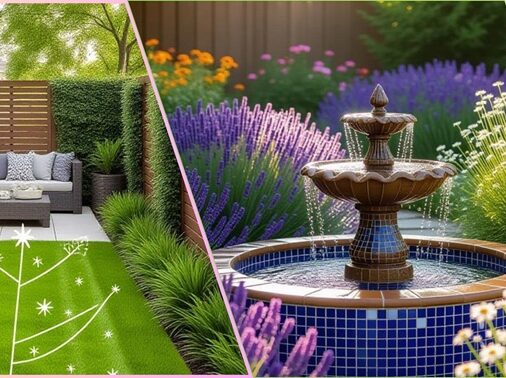
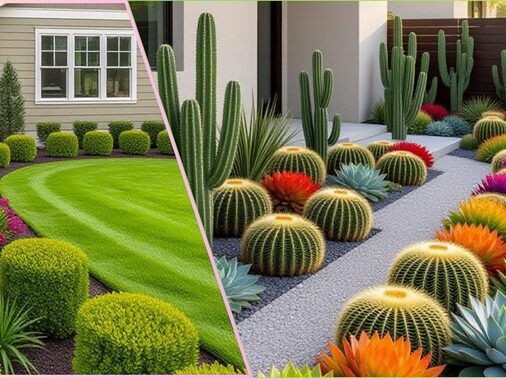
Your front yard is the first impression your home makes — and the right plants can turn it from ordinary to unforgettable. As someone who’s spent years experimenting with landscaping, I’ve learned that the perfect mix of hydrangeas, bushes, and other front-yard plants can completely transform your home’s curb appeal without endless maintenance.
In this guide, I’ll break down the best bushes for landscaping in front of your house, how to pair them with complementary plants, and expert design tips you can actually apply this weekend.
Why Bushes Are the Backbone of Front Yard Landscaping
Bushes (or shrubs) provide structure, color, and year-round appeal. Unlike flowers that fade seasonally, bushes offer stability — a lush foundation for your design. The key is choosing the right variety for your region, sunlight levels, and aesthetic goals.
Benefits of Using Bushes in Front Yard Design
- Year-round texture and greenery
- Privacy and natural screening
- Soil erosion control near walkways or slopes
- Flexible shapes — formal hedges or informal borders
- Easy layering with perennials and flowers
Best Bushes for Landscaping in Front of Your House
Below is a curated list of high-impact, low-maintenance bushes that blend beauty with practicality.
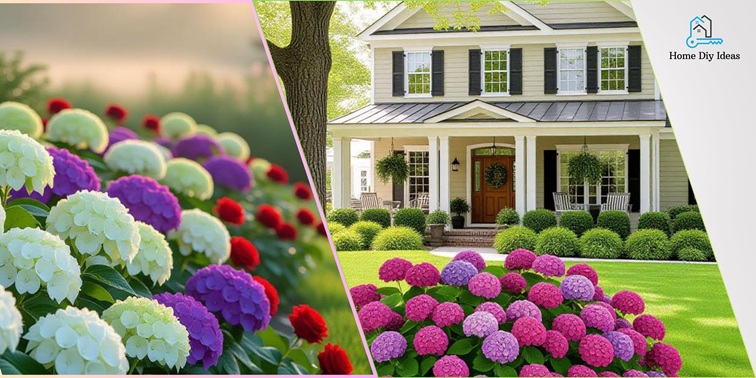
| Bush Type | Best For | Sunlight Needs | Maintenance Level |
| Boxwood | Formal hedges, symmetry | Partial to full sun | Low |
| Hydrangea | Colorful blooms, cottage style | Morning sun, afternoon shade | Medium |
| Azalea | Seasonal color bursts | Partial shade | Low to Medium |
| Spirea | Border edges, compact spaces | Full sun | Low |
| Loropetalum | Purple foliage contrast | Full to partial sun | Low |
| Holly | Evergreen texture | Full sun | Low |
| Juniper | Drought tolerance | Full sun | Very Low |
Hydrangeas: The Star of Front Yard Landscaping
Why Hydrangeas Steal the Show
Hydrangeas bring romance and volume to any front yard. Their huge flower clusters — from classic blues to creamy whites — instantly elevate curb appeal.
I recommend panicle hydrangeas (Hydrangea paniculata) for sunny yards or oakleaf hydrangeas (Hydrangea quercifolia) for shaded spots. They’re hardy, reliable, and visually stunning.
Pro Tip: Adjust soil pH to control bloom color in bigleaf hydrangeas — acidic soil for blue, alkaline for pink.
Design Ideas
- Frame your entryway with two symmetrical hydrangea bushes.
- Pair with boxwoods or dwarf grasses for contrast.
- Use mulch beds beneath to retain moisture and keep roots cool.
How to Design a Balanced Front Yard Landscape
A beautiful landscape is all about balance — height, texture, and color harmony. Here’s how I plan layouts for my clients:
1. Layer from Front to Back
- Front row: Low growers like dwarf boxwoods or hostas.
- Middle row: Mid-height shrubs like hydrangeas or spirea.
- Back row: Taller evergreens like arborvitae or holly.
2. Mix Evergreen and Flowering Shrubs
Evergreens give you winter interest, while flowering bushes like hydrangeas or azaleas bring seasonal drama.
3. Create Visual Flow
Avoid rigid lines unless you’re going for a formal look. Use curved beds and staggered planting to mimic natural growth patterns.
Low-Maintenance Landscaping Tips
If you’re like most homeowners, you want beauty without spending weekends pruning.
Here’s how to achieve a low-maintenance front yard:
- Choose native shrubs — they thrive with minimal care.
- Install drip irrigation for consistent watering.
- Apply 2–3 inches of mulch to retain moisture and block weeds.
- Prune only once a year (preferably late winter).
- Use weed barriers under mulch for clean lines year-round.
Complementary Plants to Pair with Bushes
| Plant Type | Best Bush Companions | Design Effect |
| Perennials | Hydrangeas, Azaleas | Seasonal pops of color |
| Ornamental Grasses | Boxwoods, Junipers | Texture and movement |
| Ground Covers | Spirea, Holly | Natural weed control |
| Flowering Bulbs | Around hydrangeas | Early spring color |
| Climbing Vines | Behind holly or trellises | Vertical interest |
Common Mistakes to Avoid
- Planting bushes too close to walls (leads to mildew and root issues).
- Ignoring sun exposure needs — hydrangeas burn easily in full afternoon sun.
- Overwatering — especially with evergreens like juniper or boxwood.
- Forgetting mature size — always check growth potential before planting.
Seasonal Maintenance Checklist
Here’s a simple seasonal routine I give homeowners to keep their landscape thriving:
Spring
- Fertilize flowering bushes.
- Trim dead branches.
- Refresh mulch.
Summer
- Deep water during dry spells.
- Monitor for pests.
Fall
- Add compost or slow-release fertilizer.
- Plant new bushes while soil is warm.
Winter
- Protect young hydrangeas with burlap.
- Avoid pruning until dormancy ends.
Bringing It All Together: My Pro Design Formula
Whenever I design a front yard, I follow a simple formula that works for nearly every home style:
(Evergreens for structure) + (Hydrangeas for color) + (Groundcovers for finish) = Effortless curb appeal.
It’s timeless, budget-friendly, and endlessly adaptable.
FAQs: Bushes and Front Yard Landscaping
Boxwoods, junipers, and loropetalums are top choices due to their durability and minimal pruning needs.
Only certain varieties like panicle hydrangeas tolerate full sun. Most prefer morning sun and afternoon shade.
Leave at least 2–3 feet of space for airflow and root growth.
Evergreens like boxwood, holly, and juniper provide year-round foliage.
Early fall or spring — when the soil is moist but not frozen — is ideal for root establishment.
Conclusion
Front yard landscaping doesn’t have to be overwhelming. Start with a few well-chosen bushes, layer in hydrangeas for drama, and you’ll see an instant upgrade in curb appeal.
Whether you’re aiming for a manicured traditional look or a relaxed cottage style, smart plant choices make all the difference.