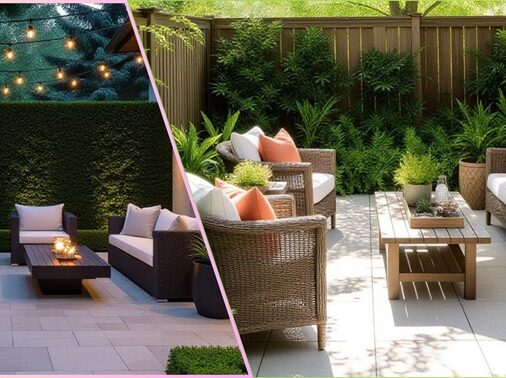
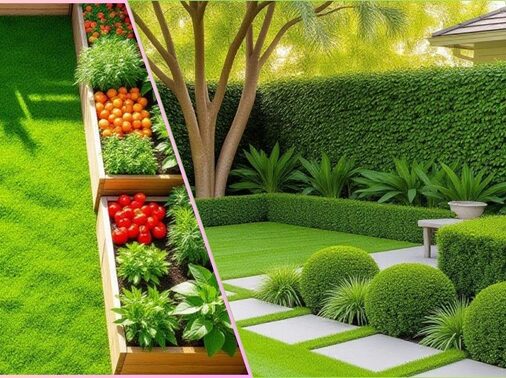
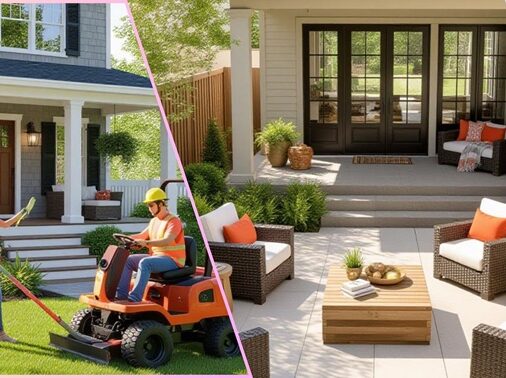
Transforming your outdoor space into a beautiful, welcoming retreat doesn’t require a professional landscaping team or a massive budget. With strategic, high-impact projects and smart material choices, you can completely revitalize flower beds, pathways, and seating nooks on a shoestring. As a seasoned DIY landscaper, I’ll guide you through a practical, phased plan that combines proven low-cost tactics, hands-on projects, and savvy budget planning to maximize your curb appeal and enjoyment for every dollar spent.
How to Strategically Plan a Budget Yard Makeover (Step-by-Step)
Step 1: Define Your Priority Zone and Budget (30–60 minutes)
- Conduct a Yard Audit: Walk your property and list the top 3 issues (e.g., overgrown border, lack of defined seating, patchy lawn).
- Choose a Focal Area: Select one primary zone (front entry, patio, or main pathway) for your first-year efforts to avoid budget dilution.
- Select Your Budget Tier:
- Micro-Budget (<$200): Paint, container plants, strategic lighting, fresh mulch.
- Modest Budget ($200–$1,000): Gravel path, budget-friendly perennials, DIY raised bed, solar lighting system.
- Transformative Budget ($1,000–$5,000): Paver patio, irrigation upgrades, small retaining wall, professional soil amendment.
Pro Tip: Begin with instant curb appeal victories—a fresh coat of paint, thorough cleaning, and strategic pruning. These inexpensive updates are immediately noticeable and build momentum. For inspiration, check out HGTV’s curb appeal ideas under $100.
Step 2: Create a Phased Implementation Plan (6–12 Month Timeline)
A phased approach spreads out costs and delivers visible improvements early, keeping you motivated throughout the process.
Phase A (Immediate Impact, 1–2 weekends):
- Pressure-wash walkways, siding, and fencing; repaint front door with a bold, welcoming color.
- Thoroughly weed garden beds, define clean edges, and apply 2–3 inches of fresh mulch.
- Introduce 1–2 vibrant container plantings at the entryway for instant color.
Phase B (Next 1–3 months):
- Install a simple pathway using gravel or stepping stones. These materials are cost-effective and perfect for DIY installation. For detailed guidance, The Spruce offers excellent stepping stone walkway ideas with material and installation cost ranges.
- Set up solar-powered path lights or overhead string lights to enhance ambiance and safety.
Phase C (Seasonal & Long-term Investments):
- Plant perennial shrubs or ornamental grasses for lasting structure and texture.
- Add a simple hardscape element like a DIY bench, fire pit, or low retaining edge.
- Incorporate drought-tolerant native plants for long-term water savings and reduced maintenance. You can find beautiful drought-tolerant landscaping ideas from HGTV to suit any style.
High-Impact, Low-Cost Projects That Deliver Maximum ROI
1. Instant Curb Appeal: Deep Cleaning + Strategic Paint
- Power-wash siding, walkways, and outdoor furniture; clean gutters and trim overgrown shrubs.
- Paint the front door with a high-quality exterior paint—a single gallon can completely redefine your home’s entryway.
- Update house numbers, mailbox, and exterior light fixtures for a cohesive, modern look (often under $30).
2. Mulch and Bed Renovation (Extreme Impact, Minimal Cost)
- Remove weeds thoroughly, then apply 2–3 inches of mulch to suppress future weeds and retain soil moisture. Check municipal drop-off sites for free mulch programs—LawnStarter has a great guide to finding free landscaping materials.
- Define bed edges with affordable materials like pressure-treated timber, concrete pavers, or partially buried brick for a polished look.
3. Strategic Container Gardening (Flexible & Affordable)
- Create 2–3 container arrangements at key entry points using seasonal annuals or dwarf shrubs.
- Source unique containers from thrift stores or repurpose items like galvanized buckets and wooden crates for instant character. Ideal Home features creative budget garden ideas using upcycled materials.
4. DIY Gravel or Stepping-Stone Pathway
- Materials Needed: Landscape fabric, gravel or stepping stones, edging (optional). Space stones strategically to reduce material costs. For comprehensive planning, The Spruce’s stepping stone guide provides excellent affordable options and cost ranges.
5. Affordable Ambient Lighting (No Wiring Required)
- Solar path lights and string lights provide dramatic effect without electrical work. Focus on highlighting entryways and potential seating areas to extend outdoor enjoyment into the evening.
6. Creative Upcycled Focal Points
- Transform reclaimed wood, pallets, or thrifted pottery into unique garden art. Ideal Home’s budget garden feature showcases numerous inexpensive upcycled solutions that add personality without breaking the budget.
7. Budget Lawn Care Alternatives
- Overseed thin areas with drought-resistant clover blends that stay greener with less water
- Spot-treat weeds with homemade vinegar solutions rather than expensive herbicides
- Set mower blades higher to encourage deeper roots and crowd out weeds naturally
Regional Considerations for Plant Selection
Choosing plants suited to your specific region ensures better survival rates and reduces long-term maintenance costs:
- Northeast: Hardy perennials like hostas, sedum, and native ferns thrive with minimal care
- Southwest: Drought-tolerant succulents, lavender, and ornamental grasses withstand heat
- Pacific Northwest: Rhododendrons, heuchera, and moss varieties appreciate the moisture
- Midwest: Coneflowers, black-eyed Susans, and native grasses handle temperature extremes
Smart Sourcing: Where to Find Cheap or Free Materials
- Municipal free mulch/compost drop-off locations (check city websites)
- Craigslist/Freecycle/Facebook Marketplace for pavers, timber, or planters
- Local garden clubs (plant swaps and free seedling programs)
- Big-box store clearance sections (end-of-season plants at 50-75% off)
- Reclaimed-material yards or Habitat for Humanity ReStore
- Tree service companies (often provide free wood chips)
Practical Budget Worksheet (Quick Reference)
| Item | Typical DIY Cost Range | Expert Notes |
| Front-door paint + hardware | $30–$80 | One gallon + new hardware |
| Mulch (2–3 bags) | $20–$60 | Sometimes free from local mulch sites |
| 2 Container planters + plants | $40–$120 | Thrift pots reduce cost significantly |
| Gravel path (small area) | $50–$300 | Depends on size; stepping stones can lower material needs |
| Solar lights (6–10) | $30–$120 | Often on sale at garden centers |
| Perennial shrub | $15–$60 each | Choose region-appropriate varieties |
| DIY bench / upcycled furniture | $0–$200 | Reclaimed wood or thrift store finds |
| Drip irrigation kit | $25–$80 | Saves water and time in the long run |
| Soil amendments | $20–$100 | Compost or manure improves plant health |
(Use this table to create a Tier A, B, or C plan that aligns with your budget and phased approach.)
Design Principles for Budget Landscaping That Looks Intentional
- Limit your palette — 2–3 repeating plant types and 2 material types creates cohesion and prevents a haphazard look.
- Repeat elements — Using the same pot style, plant forms, or colors throughout builds visual rhythm.
- Focus on sightlines — Prioritize tidiness and impact in areas visible from windows and entry points for maximum perceived value.
- Respect scale — Choose plants and containers proportionate to your house and yard size to avoid dwarfing or underwhelming the space.
Smart Maintenance for Long-Term Savings
- Choose perennials and native plants to reduce replacement costs and watering needs. Drought-tolerant landscapes require less upkeep and become cheaper over time.
- Install a simple drip irrigation system or soaker hoses for garden beds — reduces water waste and saves time.
- Refresh mulch annually to suppress weeds, conserve soil moisture, and improve soil health as it decomposes.
- Divide and propagate successful perennials every 2-3 years to fill other areas at no cost.
Quick-Checklists for Success
Pre-Project Checklist (Before You Spend)
- Define your focal area and primary goals (privacy, seating, curb appeal).
- Measure the space (length × width) for accurate material calculations.
- Check local regulations (HOA guidelines/permits if needed).
- Source free/cheap materials first (mulch, reclaimed pavers, compost).
Weekend Makeover Checklist (Immediate Impact)
- Pressure-wash surfaces & clean up debris.
- Paint front door and update hardware.
- Weed garden beds & apply fresh mulch.
- Place 2 containers with quality potting mix and plants.
- Install 4–6 solar lights along main pathways.
Conclusion
Creating a beautiful yard on a budget is not only achievable—it’s incredibly rewarding. By starting with one focal area and following this phased approach, you’ll see noticeable improvements that build toward your dream outdoor space. The key is beginning with those immediate-impact projects that deliver the most visual bang for your buck. Ready to take the first step? Pick one project from Phase A this weekend, and you’ll be amazed at the transformation you can achieve with minimal investment. For personalized guidance, I’m happy to help you adapt this plan to your specific space and climate—just share your yard type and budget tier, and let’s create your custom landscaping roadmap together.
![Backyard Bliss: Creative Ways to Transform Small Outdoor Spaces [small backyard landscaping ideas]](https://homediyideas.com/wp-content/uploads/2025/10/Backyard-Bliss-Creative-Ways-to-Transform-Small-Outdoor-Spaces-small-backyard-landscaping-ideas-120x120.jpg)