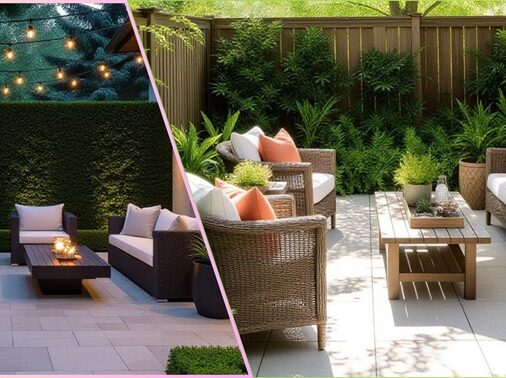
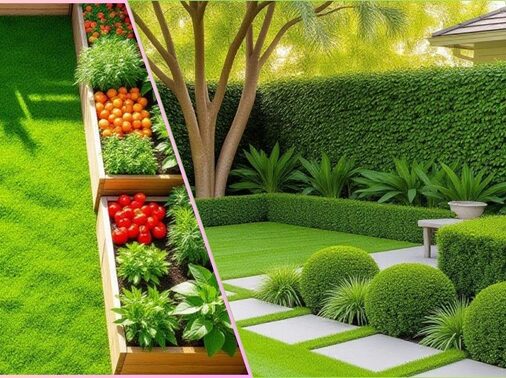
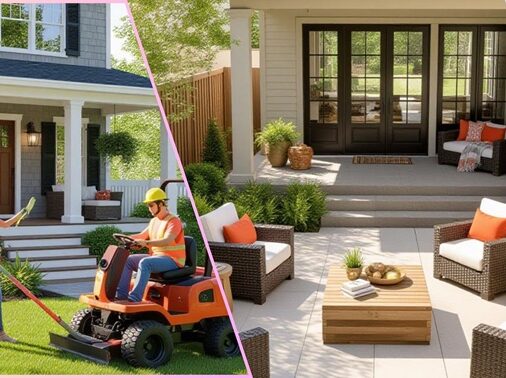
Imagine stepping out into your backyard and feeling as though you’ve left the neighborhood behind—your own private garden room, sheltered from prying views, noise, and distractions. With the right design and plant choices, your landscape can become a peaceful haven. In this article, you’ll learn how to weave natural and structural elements into a cohesive, beautiful, and privacy-first outdoor sanctuary.
Why Privacy Landscaping Matters
- Enhances your sense of comfort and retreat
- Blocks unwanted views and increases security
- Reduces noise and visual distractions
- Boosts property value and aesthetic appeal
- Provides habitat for wildlife if done thoughtfully
Design Principles: The Foundation of Effective Privacy Landscaping
Before planting or building anything:
- Sightline mapping – Walk through your yard and mark where views in (or out) are unwanted.
- Sun/shade study – Understand how light changes throughout the day and year.
- Soil, slope, drainage analysis – Avoid poor drainage zones that harm plant health.
- Local codes & HOA rules – Check fence height limits and setback regulations.
- Budget & maintenance plan – Set realistic cost and care expectations.
- Phasing strategy – Plan your installation in manageable stages.
Use this as your foundational design checklist.
Key Privacy Landscaping Strategies
Combine softscaping (plants) and hardscaping (structures) to create layered, effective, and beautiful barriers.
1. Vertical Screens & Barriers
These create instant height and privacy.
- Wood or composite fences (solid or slatted)
- Lattice or trellis toppers
- Decorative metal or Corten panels
- Sliding or pivoting privacy gates
- Outdoor curtains or fabric screens on pergolas and gazebos
Pro Tip: Match materials to your home’s style and climate. Include small gaps for airflow.
2. Layered Planting (Soft Screens)
A living, breathing privacy system.
- Evergreens for year-round coverage
- Tall ornamental grasses or clumping bamboo (non-invasive)
- Climbing vines like clematis or jasmine
- Multi-tier shrub stacks: tall tree → mid shrub → groundcover
- Mixed hedges for disease resistance and texture variety
3. Berms & Earth Forms
Gentle mounds or berms raise privacy naturally without tall walls.
- Build along property edges
- Combine with retaining walls for steep areas
- Use native soil or imported fill with proper drainage
- Plant dense shrubs or trees atop for maximum coverage
4. Structural Accents & Enclosures
Define “rooms” within your yard for secluded retreats.
- Pergolas or arbors with climbing plants
- Pavilions or outdoor rooms
- Focal walls or stone half-walls
- Water features to mask nearby noise
5. Flexible & Temporary Screens
Ideal for renters or evolving layouts.
- Potted shrubs or small trees
- Movable planters with tall vines
- Retractable fabric screens
- Seasonal fast-growing annuals
Step-by-Step Implementation Guide
Phase 1: Assessment & Planning
- Identify problem zones and privacy goals.
- Take photos and sketch your yard.
- Note sun exposure, soil type, and wind direction.
- Check local fencing and zoning rules.
- Prioritize areas like patios or pools.
Phase 2: Conceptual Design
- Draft your layout combining hardscape and plant zones.
- Assign a primary and secondary privacy strategy for each area.
Phase 3: Species & Material Selection
| Zone | Strategy | Plants / Materials | Notes |
| Patio | Trellis + evergreen hedge | Climbing jasmine + dwarf holly | Instant privacy with long-term fill-in |
| Side yard | Berm + mixed shrubs | Native evergreens + tall grasses | Wind buffering + screening |
| Pool area | Decorative panel + container plants | Metal screen + potted bamboo | Flexible and aesthetic |
Phase 4: Installation
- Prepare soil and drainage first.
- Install structures (walls, screens, trellises).
- Plant trees, shrubs, and groundcovers.
- Add mulch, irrigation, and finishing touches.
Phase 5: Maintenance & Monitoring
- Water regularly for first two years.
- Prune to maintain density and shape.
- Replace failing plants promptly.
- Adjust design as growth evolves.
Practical Tips & Tricks
- Use mixed species hedges for resilience.
- Allow vines to fill gaps in trellises or lattices.
- Avoid planting too close to foundations or fences.
- Plan for 20% overplanting for future thinning.
- Add sound barriers (like water features) for noise control.
- Combine fast and slow growers for layered results.
- Maintain visual balance — avoid fortress-like walls.
Troubleshooting Common Challenges
| Problem | Likely Cause | Solution |
| Gaps in screen | Uneven growth | Add filler plants or raise screen height |
| Weak fence | Poor anchoring | Reinforce posts and footings |
| Plants dying | Overwatering or compaction | Improve soil and drainage |
| Visible top gaps | Plants too short | Add climbers or taller species |
| High maintenance | Overgrowth | Switch to low-maintenance shrubs |
Checklist Before You Begin
- Identify problem areas and sightlines
- Analyze sunlight, soil, and drainage
- Check local codes and permits
- Set budget and maintenance plan
- Choose layered strategies
- Select plants and materials
- Create layout sketch
- Prepare soil and drainage
- Install structures and plantings
- Maintain and monitor growth
FAQs – Privacy Landscaping Ideas
Typically 6–8 ft for patios and 10–12 ft for upper-level views.
Leyland cypress, arborvitae, bamboo (non-invasive), and privet are popular.
No. Plants soften views, reduce noise, and provide natural beauty alongside fences.
Use vertical gardens, vines, and movable planters to save space.
Spring or fall—cooler weather encourages strong root growth.
Evergreens like arborvitae or mixed native shrubs that require minimal pruning.
Conclusion & Call to Action
Designing a private outdoor oasis is achievable with thoughtful privacy landscaping ideas that blend beauty, function, and comfort. Whether you’re screening a patio, creating a cozy reading nook, or shielding a pool area, the key lies in layering structures and plants for all-season coverage.