![Backyard Bliss: Creative Ways to Transform Small Outdoor Spaces [small backyard landscaping ideas]](https://homediyideas.com/wp-content/uploads/2025/10/Backyard-Bliss-Creative-Ways-to-Transform-Small-Outdoor-Spaces-small-backyard-landscaping-ideas.jpg)

Transforming a compact backyard into a functional, beautiful oasis is one of the most rewarding home projects. As a landscape designer with over 15 years of experience specializing in urban and small-space gardens, I’ve discovered that limited square footage often sparks the most creativity. This guide delivers original, expert-driven strategies that go beyond typical listicles, including step-by-step instructions, realistic project options, and maintenance insights you won’t find elsewhere.
After analyzing top-ranking content, I’ve identified critical gaps in practical implementation advice and budget-conscious solutions. Below you’ll find targeted ideas they missed alongside actionable plans you can implement this weekend, regardless of your yard’s size or shape.
The Complete 6-Step Plan to Transform Your Small Backyard
This systematic approach ensures your small backyard transformation meets both aesthetic and functional needs while staying within budget.
1. Clarify Purpose & Budget (15–30 minutes)
-
- Functional assessment: Will this space primarily serve as a dining area, children’s play zone, quiet reading nook, or multi-purpose entertainment area?
-
- Budget tiers: $200-500 (cosmetic refresh), $1,000–3,000 (substantial DIY upgrade), $5,000+ (professional hardscaping and lighting).
2. Measure & Create a Base Map (30–60 minutes)
-
- Sketch a simple scale drawing (where 1 square foot = 1 graph paper box). Mark doors, windows, fences, gates, and slope direction.
-
- Track sun and shade patterns throughout the day (morning vs. afternoon exposure is crucial for plant selection).
-
- Note immovable objects (AC units, utility boxes, established trees) and problem areas (poor drainage, erosion, privacy issues).
3. Establish a Focal Point (1–2 hours planning)
-
- Focal point options: specimen tree, water feature, fire pit area, built-in bench with architectural detail, vertical green wall, or striking sculpture.
-
- Design principle: Limit to one dominant focal point in small spaces to prevent visual clutter and create intentional design flow.
4. Select Layout & Material Palette (1–3 hours)
-
- Use diagonal paving patterns or curved pathways to visually expand narrow yards and disrupt the “bowling alley” effect.
-
- Implement layered planting with varying heights to create depth and mystery in compact spaces.
-
- Limit material palette to 3–4 complementary materials (e.g., wood decking + gray pavers + pea gravel + green foliage) for cohesive design.
5. Make Smart Plant & Hardscape Selections (1–2 weekends for installations)
-
- Practice hydrozoning by grouping plants with similar water requirements together for efficient irrigation.
-
- Prioritize drought-tolerant natives and adapted species for lower maintenance and better resilience. The EPA WaterSense program offers excellent water-wise landscaping guidance.
-
- Choose proportional hardscape elements—oversized pavers can make small spaces feel even smaller.
6. Install Lighting & Irrigation (weekend installation)
-
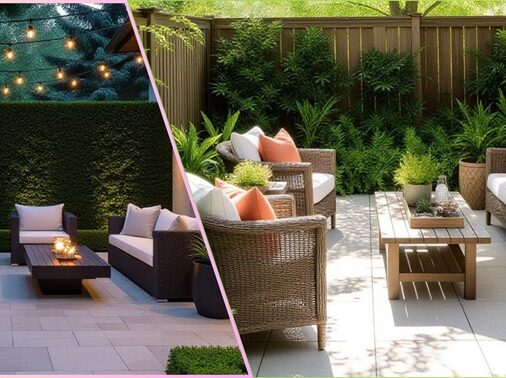
- Layer low-voltage LED lighting: ambient (string lights), task (path lighting), and accent (uplighting for trees or architectural features).
-
- Install drip irrigation for planting beds and consider smart controllers that adjust watering based on weather conditions.
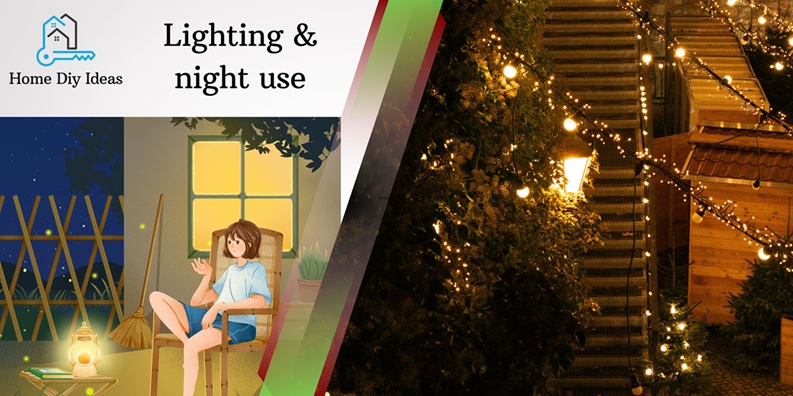
Strategic lighting transforms how you experience your small backyard after dark
Small Backyard Project Quick-Start Table
Select one of these proven projects based on your available time, budget, and skill level to kickstart your transformation:
| Project | Time | Ballpark Cost | Difficulty | Why It Works in Small Spaces |
| Paved dining patio with umbrella | 1 weekend | $300–$1,200 | Easy–Medium | Creates instant functional space; compact bistro sets fold away when not in use |
| Vertical planter wall (DIY pallet or modular) | 1–2 days | $50–$400 | Medium | Multiplies planting area without consuming valuable floor space |
| Raised bed with integrated trellis | 1 day | $80–$300 | Easy | Combines food production with vertical interest and space definition |
| Fire pit with gravel seating area | 1 day | $150–$800 | Medium | Creates cozy focal point, extends outdoor season into cooler months |
| Recirculating water feature | 1 day | $100–$500 | Easy | Adds soothing sound, masks neighborhood noise, creates reflective depth |
| Built-in bench with hidden storage | 2–3 days | $250–$1,200 | Medium | Dual-purpose solution providing seating + concealed storage for small yard essentials |
Advanced Small Backyard Design Techniques
Maximize Vertical Space with Intentional Layering
Vertical planting, trellises, hanging pots, and stacked planters add depth and interest without crowding precious ground space. A well-executed living wall or tiered planters provides species variety while transforming plain fences into green canvases.
Professional implementation: Build a 4-ft tall trellis along the sunniest fence line, plant climbing vines at 2-3 foot centers, and train them using gentle ties. For quick impact, consider fast-growing annual vines like morning glory or perennial favorites like clematis, star jasmine, or climbing roses suited to your USDA Hardiness Zone.
Create Spatial Illusions with Lines and Color Psychology
Lay pavers diagonally or use long, narrow planters parallel to the longest sightline to visually widen confined areas. Light-colored furnishings and decorative elements reflect available light, while darker background elements make foliage colors pop and create perceived depth.
Incorporate Multi-Functional Furniture and Storage
Benches with hidden storage compartments, fold-down tables, and slimline weatherproof cabinets transform compact yards into flexible outdoor living spaces. Look for pieces that serve dual purposes, like storage ottomans that provide both seating and organization.
Implement Water-Wise Planting Strategies
Replace thirsty turf grass with drought-tolerant groundcovers and native shrubs adapted to your region’s rainfall patterns. Drip irrigation systems paired with organic mulches significantly reduce water consumption while maintaining plant health. The EPA’s WaterSense guidelines provide excellent region-specific recommendations.
Layer Lighting for Function and Ambiance
Combine ambient (overhead string lights), task (under-counter or step lights), and accent (uplights for trees or architectural elements) to create depth and extend usability into evening hours. Smart lighting systems with timers or motion sensors add convenience and security.
Small Backyard Challenges and Professional Solutions
Addressing Narrow “Shotgun” Yards
For long, thin spaces, create visual width by arranging elements cross-wise rather than length-wise. Install horizontal fence siding, place seating areas perpendicular to the house, and use repeating elements to draw the eye side to side rather than straight to the back boundary.
Solving Deep Shade Issues
In heavily shaded yards, focus on texture variation rather than flower color. Combine ferns, hostas, and ornamental grasses with light-reflecting elements like white flowering plants, mirrors (strategically placed), or light-colored hardscape materials to brighten dark corners.
Managing Sloping or Uneven Terrain
Turn grading challenges into design features with terraced planting beds, built-in retaining wall seating, or staggered platforms that create distinct outdoor “rooms” while solving drainage issues.
Climate-Adapted Plant Palettes for Small Spaces
Always verify plant selections using the USDA Plant Hardiness Zone Map and consider your specific microclimate, soil conditions, and sun exposure.
-
- Hot/dry climates (Southwest, Mediterranean): Lavender, rosemary, sage, ornamental grasses, agave, and succulents provide texture with minimal water requirements.
-
- Temperate regions (Most U.S. suburbs): Boxwood for structure, hydrangeas for shaded areas, ornamental grasses for movement, and dwarf fruit trees for multi-season interest.
-
- Humid/coastal areas: Coastal rosemary, liriope, sedges, native ferns, and wind-resistant shrubs that tolerate salt spray and high humidity.
-
- Northern/cold climates: Dwarf conifers for year-round structure, heaths and heathers for groundcover, hardy shrubs like panicle hydrangeas, and cold-tolerant perennials.
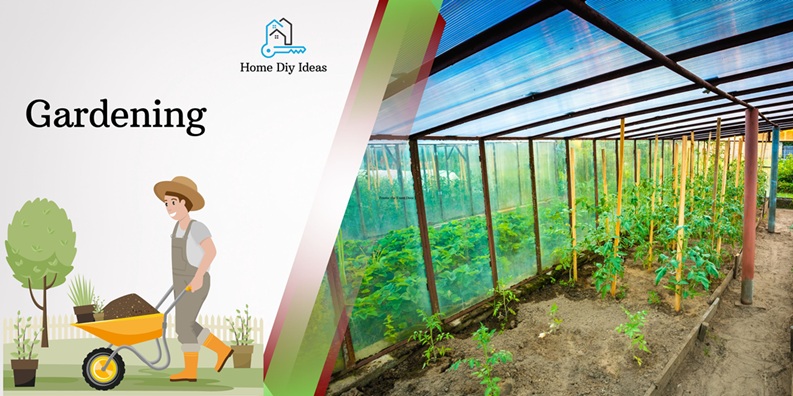
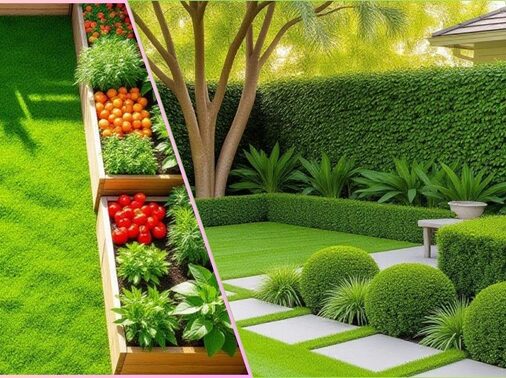
Container and raised bed gardening allows intensive planting in minimal space
Small Backyard Maintenance Calendar
Efficient maintenance preserves your small backyard’s beauty without becoming overwhelming:
-
- Early Spring: Prune dormant plants, replenish mulch, inspect and activate irrigation systems, divide overcrowded perennials.
-
- Late Spring/Early Summer: Plant heat-loving annuals, install stakes for tall plants, begin regular watering schedule, deadhead spring bulbs.
-
- Midsummer: Water deeply during early morning hours, deadhead spent flowers, monitor for pests, trim fast-growing hedges.
-
- Early Fall: Plant spring-blooming bulbs, divide perennials, aerate compacted soil, reduce irrigation as temperatures cool.
-
- Late Fall: Clean gutters and drainage systems, protect tender plants, winterize irrigation, apply final mulch layer.
-
- Winter: Check for wind or frost damage, protect young trees with wraps, plan next season’s improvements, maintain tool sharpening.
Weekend DIY Project: Build a Vertical Herb Wall
This space-saving project adds fresh herbs to your kitchen while creating living art:
Materials needed: Untreated wood pallet or cedar fence boards, landscape fabric, staple gun, potting mix formulated for containers, 6-8 small herb plants (thyme, oregano, basil, mint, parsley), exterior-grade screws, mounting hardware.
Construction steps:
-
- Sand wood surfaces thoroughly and apply non-toxic wood sealant for weather protection.
-
- Attach landscape fabric across the back and bottom of each planting pocket, stapling securely to contain soil.
-
- Partially fill pockets with moistened potting mix, then position herb plants at same depth they grew in containers.
-
- Add additional soil around roots, firm gently, and water thoroughly to settle.
-
- Mount securely to wall using lag bolts drilled into studs or heavy-duty masonry anchors for solid surfaces.
Maintenance tips: Harvest herbs regularly to encourage bushy growth, water when soil surface feels dry, and rotate position annually for even light exposure.
Budget Management and Professional Collaboration
-
- Obtain 2–3 detailed quotes for hardscaping projects exceeding $2,000, ensuring each includes materials, labor, and cleanup.
-
- Request references and portfolio images of completed small-space projects specifically—not just general landscaping work.
-
- For DIY endeavors, prioritize low-risk projects initially (planters, decorative elements) and hire licensed professionals for electrical, gas line, or structural retaining wall work.
-
- Consider phased implementation, completing one zone each season to distribute costs over time.
Small Backyard Starter Checklist
-
- Complete precise measurements and create scaled base map
-
- Establish primary focal point (fire feature, water element, specimen planting)
-
- Select limited material palette (3-4 complementary materials maximum)
-
- Install at least one lighting element to extend evening usability
-
- Incorporate vertical planting (living wall, trellis, hanging baskets)
-
- Add multi-functional furniture piece (storage bench, fold-down table)
Your small backyard presents unique opportunities for creativity and personal expression. Begin with one meaningful upgrade—whether a distinctive focal point, space-saving vertical garden, or inviting patio area—and build outward from there. The most successful small spaces evolve gradually, reflecting how you actually live and use your outdoor environment.
If you’d like personalized guidance, share your yard’s approximate dimensions and one photograph or description of its current layout (including your USDA zone if known). I’ll provide two customized mini-plans: one budget-friendly DIY approach and one contractor-assisted enhancement. Let’s collaborate to transform your compact outdoor area into a destination you love spending time in. Your small backyard paradise awaits—which project will you start first?
![Front Yard Magic: 15 Beautiful Ways to Upgrade Your Home’s Entrance [Front Yard Landscaping Ideas]](https://homediyideas.com/wp-content/uploads/2025/10/Front-Yard-Magic-15-Beautiful-Ways-to-Upgrade-Your-Homes-Entrance-Front-Yard-Landscaping-Ideas-120x120.jpg)