If there’s one tree that adds both elegance and endurance to a landscape, it’s the cypress. From stately Italian Cypress lining Mediterranean-style driveways to soft, feathery Bald Cypress by the water’s edge, landscaping cypress trees offer unmatched form, texture, and practicality. As a landscaping professional, I’ve seen how the right cypress variety can transform an ordinary yard into a serene, structured space that feels both private and sophisticated.
In this guide, we’ll explore the best types of cypress for landscaping, how to plant and maintain them, and practical ideas to use them for shade, privacy, and design balance.
Why Choose Cypress Trees for Landscaping?
Cypress trees are prized for their evergreen beauty, fast growth, and natural resilience. They serve multiple roles—from windbreaks and screens to shade trees and formal accents.
Key Benefits:
- Privacy & Noise Reduction: Dense foliage creates natural screens against neighbors or streets.
- Shade & Cooling: Tall, full canopies provide relief from summer heat.
- Low Maintenance: Most varieties are drought-tolerant and disease-resistant once established.
- Year-Round Appeal: Retain color and texture through all seasons.
- Flexible Design Fit: Suitable for modern, Mediterranean, or classic garden styles.
Top Cypress Varieties for Landscape Design
Let’s look at some of the most landscape-friendly cypress trees and what makes each stand out.
| Cypress Variety | Best For | Mature Height | Growth Rate | USDA Zones |
| Italian Cypress | Formal columns, driveways, borders | 40–60 ft | Fast | 7–11 |
| Leyland Cypress | Privacy screens, windbreaks | 50–70 ft | Very fast | 6–10 |
| Bald Cypress | Wetlands, large yards, pond edges | 50–70 ft | Moderate | 4–10 |
| Monterey Cypress | Coastal gardens, wind protection | 40–60 ft | Fast | 7–10 |
| Arizona Cypress | Drought-prone areas, modern yards | 40–50 ft | Fast | 7–9 |
Design Ideas: How to Use Cypress Trees in Your Landscape
1. Create a Natural Privacy Screen
Plant Leyland or Arizona Cypress in staggered rows to create a dense green barrier. Maintain spacing of 6–8 feet apart for full coverage without crowding.
2. Frame Entrances or Driveways
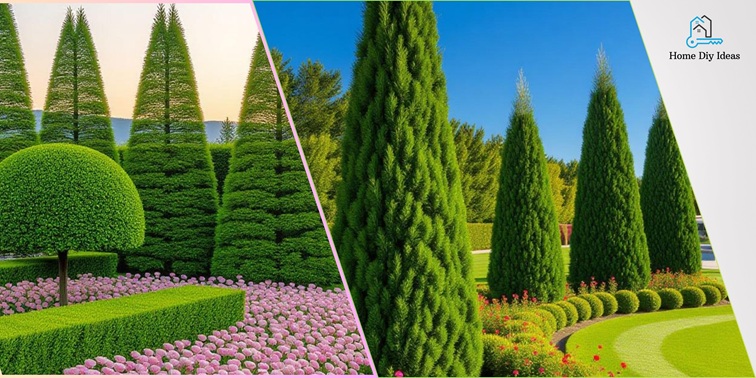
Tall Italian Cypress adds instant drama. I often use them in pairs to frame gates or pathways, giving homes a stately, Mediterranean charm.
3. Shade Outdoor Spaces
Bald Cypress provides broad shade ideal for patios, garden seating areas, or play zones. Its feathery foliage softens sunlight without feeling heavy or enclosed.
4. Add Structure to Garden Layouts
In formal designs, use cypress as vertical anchors alongside hedges or garden beds. Their symmetry balances low-growing shrubs or ornamental grasses.
Planting and Care Tips
Even though cypress trees are generally hardy, good planting and care make all the difference in long-term health and growth.
Planting Checklist
- ✅ Choose a sunny location with well-drained soil.
- ✅ Dig a hole twice as wide as the root ball.
- ✅ Backfill with a mix of native soil and compost.
- ✅ Water deeply after planting and mulch around the base.
- ✅ Space trees to allow airflow and light between them.
Ongoing Maintenance
- Watering: Deeply once a week during dry spells.
- Pruning: Lightly trim in spring to maintain shape.
- Fertilizing: Use a balanced slow-release fertilizer once a year.
- Pest & Disease Watch: Look for bagworms or spider mites in dense foliage.
Pro Tips from My Landscaping Experience
- Go vertical: Italian Cypress can make small yards feel taller and more sophisticated.
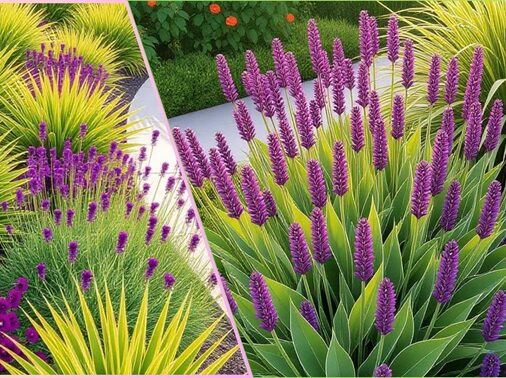
- Mix textures: Pair cypress with soft ornamental grasses or lavender for contrast.
- Mind your roots: Avoid planting too close to foundations or driveways; some types develop wide root systems.
- Seasonal upkeep: Remove deadwood yearly to preserve form and prevent disease.
Common Mistakes to Avoid
- Planting too close together—leads to overcrowding and fungal issues.
- Overwatering—especially in heavy clay soils.
- Ignoring pruning—can result in uneven, leggy growth.
Environmental Benefits
Cypress trees are not just ornamental—they’re ecological assets:
- Improve air quality by absorbing pollutants.
- Provide nesting habitats for birds.
- Reduce soil erosion in sloped or wet areas.
FAQ: Homeowners’ Common Questions About Landscaping Cypress Trees
Leyland Cypress can grow up to 3–4 feet per year under ideal conditions, while Italian Cypress averages 1–2 feet.
Yes—especially Leyland and Arizona Cypress, which form thick, evergreen walls ideal for screening.
Not usually. Most varieties tolerate drought once established, though young trees need consistent moisture.
Keep at least 6–10 feet away from foundations or underground utilities to prevent root interference.
Early spring or fall when the soil is workable and temperatures are mild.
Conclusion
Few trees combine structure, elegance, and practicality like the cypress. Whether you’re shaping a formal garden, creating a quiet backyard retreat, or adding privacy to your property, landscaping cypress trees offer year-round greenery and enduring style.