In today’s world of droughts and rising water costs, landscaping with native plants isn’t just a trend—it’s a smart, sustainable solution. As a landscape enthusiast, I’ve seen firsthand how native gardens thrive where imported plants struggle. Native plants adapt naturally to local climates, conserve water, and attract beneficial wildlife—all while reducing maintenance costs.
This guide dives deep into how native plants can transform your yard into an eco-friendly oasis that’s both beautiful and resilient.
Why Landscaping with Native Plants Matters
1. Water Efficiency
Native plants evolved to survive local rainfall patterns. That means:
- Less irrigation is needed once they’re established.
- Deeper roots help retain moisture and prevent erosion.
- Soil health improves naturally without chemical additives.
2. Local Ecosystem Support
When you choose native species, you’re building a haven for:
- Bees and butterflies that rely on native blooms.
- Birds and small mammals that use native shrubs for shelter and food.
- Pollinators, essential for a thriving garden ecosystem.
3. Low Maintenance Beauty
Native plants often resist pests and diseases better than exotic ones, meaning you’ll spend less time pruning, fertilizing, and spraying.
How to Design a Landscape with Native Plants
Step 1: Understand Your Local Ecosystem
Before you plant, study your local soil type, rainfall, and sun exposure. Local gardening centers or cooperative extensions can provide guides for your region’s native flora.
Step 2: Plan Zones by Water Needs
Create hydrozones—group plants by how much water they require. This ensures efficient irrigation and healthy growth.
| Zone | Water Need | Suitable Native Plants |
| Dry Zone | Minimal | Purple Coneflower, California Poppy, Yarrow |
| Moderate | Occasional | Black-eyed Susan, Switchgrass |
| Moist | Regular | Cardinal Flower, Blue Flag Iris |
Step 3: Layer for Texture and Function
Native gardens should have layers for visual depth and ecological balance:
- Groundcovers like creeping thyme or native sedges for soil protection.
- Shrubs for structure—try wax myrtle or serviceberry.
- Trees for canopy and shade—oak, birch, or red maple work beautifully.
Step 4: Use Mulch and Natural Barriers
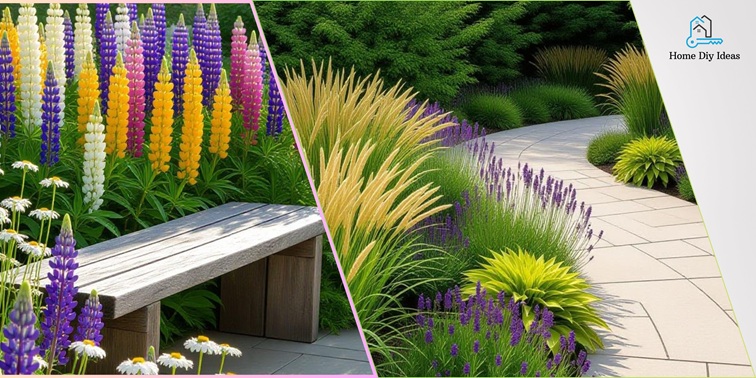
Add organic mulch around plant bases to retain moisture and discourage weeds. For pathways, use gravel or bark—they allow rainwater to soak into the soil.
Practical Tips for Success
✅ Start Small: Begin with a corner of your yard and expand gradually.
✅ Choose Native Varieties Over Cultivars: Cultivars may look similar but can lack resilience or wildlife value.
✅ Use Rainwater Harvesting: A simple rain barrel setup can water your entire native bed.
✅ Plant in Fall or Early Spring: Gives roots time to establish before heat or drought.
✅ Avoid Fertilizers: Native plants prefer lean, unfertilized soil.
Real-World Example: A Water-Saving Transformation
In my own yard, replacing a thirsty lawn with native grasses and perennials cut water use by nearly 40% in the first year. The pollinator activity doubled, and maintenance time dropped by half. It’s proof that sustainable landscapes can also be vibrant and low effort.
Environmental Benefits of Native Landscaping
| Benefit | Description | Impact |
| Reduced Water Use | Native plants thrive on rainfall | Saves up to 50% of irrigation water |
| Soil Health | Deep roots prevent erosion | Builds natural soil fertility |
| Carbon Reduction | Less mowing and fertilizing | Lowers carbon footprint |
| Biodiversity | Attracts pollinators and birds | Restores local ecosystems |
Common Mistakes to Avoid
- Overwatering: Native plants don’t like soggy soil.
- Mixing Invasive Exotics: They compete and may crowd out natives.
- Ignoring Plant Maturity: Some natives spread quickly—plan spacing accordingly.
- Skipping Mulch: Without mulch, weeds can take over.
Bringing It All Together
Landscaping with native plants isn’t about restriction—it’s about working with nature, not against it. You’ll save water, support wildlife, and enjoy a garden that feels authentic to your region.
Whether you’re starting a new yard or refreshing an old one, native landscaping brings beauty, balance, and sustainability right to your doorstep.
FAQs About Landscaping with Native Plants
Yes. Once established, most native plants need 50–80% less water than lawns or exotic species.
You can, but ensure non-natives aren’t invasive and have similar water needs.
Usually after the first growing season. Once roots develop, they thrive with minimal care.
Not if designed intentionally. Use edging, layers, and pathways for a tidy, structured appearance.
Check local nurseries, native plant societies, or conservation groups—they often host seasonal native plant sales.
Conclusion
When you choose native plants, you’re not just creating a beautiful yard—you’re making an eco-conscious choice that benefits your community and the planet. Every seed planted helps restore balance, conserve water, and sustain life.