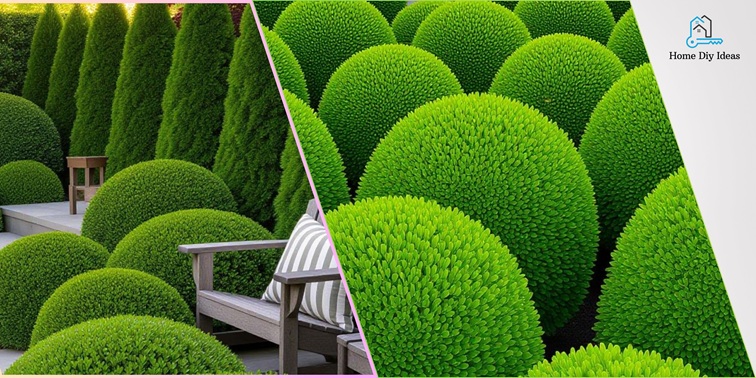

When I first tackled my own yard’s landscaping, I was frustrated by how dull it looked in late fall and winter. Deciduous plants dropped their leaves, and everything seemed bare. That’s when I leaned into landscaping evergreen shrubs — and the difference was night and day. With the right selections, your garden can stay lush, structured, and visually interesting across all four seasons.
In this guide, I’ll share what most online articles miss, then walk you step-by-step through choosing, planting, and designing with evergreen shrubs. You’ll get practical, experience-based insight to keep your landscape green all year long.
Why Evergreen Shrubs Are Landscape Essentials
Evergreens do more than “stay green.” They:
- Provide structure and definition to your garden year-round
- Act as windbreaks, privacy screens, and noise buffers
- Offer food and shelter for birds in winter
- Prevent soil erosion and stabilize slopes
- Maintain visual interest when perennials fade
When planning a landscape, I always start with evergreens as the backbone. Everything else — flowers, grasses, and perennials — builds around them.
How to Select Evergreen Shrubs
Step 1: Assess Your Site
| Factor | Why It Matters | Pro Tip |
| Sunlight | Some evergreens scorch in full sun, others prefer part shade | Observe your yard’s light at different times of day |
| Soil & Drainage | Poor drainage causes root rot | Do a percolation test — water should drain within 4 hours |
| Climate Zone | Prevents winter kill or heat stress | Choose shrubs hardy to at least your USDA zone |
| Mature Size | Prevents overcrowding and pruning headaches | Always check mature height and spread before planting |
Step 2: Choose Form and Texture
Evergreen shrubs come in many forms — upright, rounded, spreading, and cascading. To create depth and visual interest, mix textures and heights:
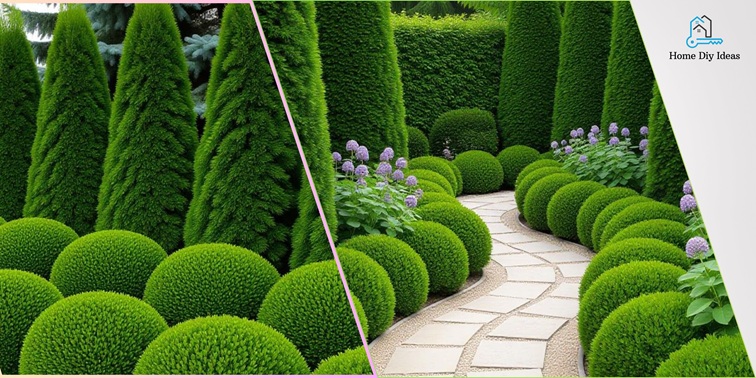
- Vertical accents – arborvitae, junipers
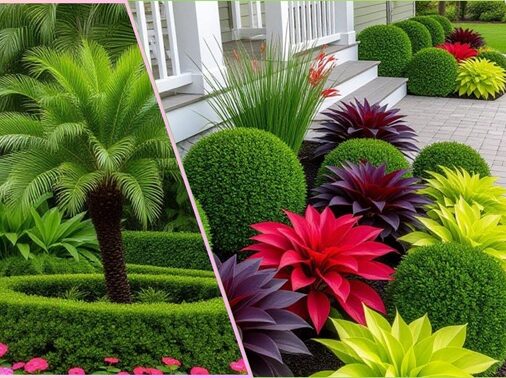
- Rounded mounds – boxwoods, hollies
- Groundcovers – creeping juniper, dwarf yew
- Specimen shrubs – rhododendron, camellia
Step 3: Pick Reliable Evergreen Shrubs
| Shrub | Best Uses / Notes |
| Boxwood (Buxus) | Classic hedging; easily shaped |
| Arborvitae (Thuja) | Excellent for tall screens |
| Holly (Ilex) | Dense foliage and winter berries |
| False Cypress (Chamaecyparis) | Soft texture; good for contrast |
| Rhododendron / Azalea | Flowering evergreen options for partial shade |
| Juniper | Drought-tolerant; great groundcover |
| Inkberry Holly (Ilex glabra) | Boxwood alternative with softer look |
Always verify that your chosen variety fits your soil type and regional hardiness.
Step 4: Planting the Right Way
Pre-Planting Checklist:
☑ Soil test for pH and drainage
☑ Amend with compost or peat moss
☑ Dig holes twice as wide, no deeper than root ball
☑ Loosen roots before planting
☑ Water deeply after planting
☑ Mulch 2–3 inches thick (keep off stems)
Step-by-Step Process:
- Lay out shrub positions before digging.
- Set root balls slightly above ground level.
- Backfill with native soil and compost mix.
- Firm soil gently, avoiding compaction.
- Water thoroughly and recheck after 24 hours.
Landscape Design Techniques with Evergreens
1. The “Skeleton and Skin” Concept
Use evergreens as the skeleton of your landscape — the permanent framework. Then add skin layers (seasonal flowers, perennials, and annuals) for color and movement.
2. Repetition and Rhythm
Repeat evergreen species across the yard for unity, but mix forms and heights for visual rhythm.
3. Evergreen Garden Rooms
Use taller shrubs to define spaces — create privacy screens, garden nooks, or visual dividers between patio and yard.
4. Seasonal Focal Points
Choose a few shrubs with standout features like berries or colorful new growth to serve as year-round focal points.
Care and Maintenance: A Seasonal Plan
| Season | Tasks |
| Late Winter / Early Spring | Prune damaged branches, feed with balanced fertilizer, inspect for pests |
| Spring | Refresh mulch, water deeply, and check growth patterns |
| Summer | Water infrequently but deeply; avoid overhead watering |
| Fall | Plant new evergreens; insulate roots with mulch; avoid heavy pruning |
Pruning Tips
- Prune before spring flush for best regrowth.
- Avoid cutting into old wood (many evergreens won’t resprout).
- Thin dense centers for air circulation.
Soil & Mulch Care
Maintain 2–3 inches of mulch and replenish yearly. Use organic compost to improve soil life and structure.
Common Problems
- Winter Burn – Protect exposed shrubs with burlap or windbreaks.
- Poor Growth – Check for drainage issues or nutrient imbalance.
- Pests – Monitor regularly for mites or scale; prune infested parts early.
Practical Homeowner Advice
- Choose compact cultivars for small yards.
- Leave space for mature growth.
- Buy locally grown shrubs for better acclimation.
- Match shrubs to microclimates — sunny, windy, or shaded spots behave differently.
- Think long-term — evergreens define your landscape for decades.
Sample Landscape Layouts
- Front Entry: Symmetrical boxwoods or hollies framing walkways.
- Backyard Screen: Mix arborvitae and juniper for privacy and texture.
- Slope Planting: Use low junipers or dwarf pines for erosion control.
- Foundation Border: Combine mounded shrubs with colorful perennials in front.
Sketch your layout first — it prevents spacing mistakes and saves money later.
FAQ: Evergreen Shrubs for Landscaping
The best times are early fall or early spring when temperatures are mild and roots can establish.
Space shrubs based on their mature width — usually two-thirds to full mature spread apart.
Yes, many broadleaf evergreens like holly and rhododendron tolerate partial shade.
Mulch deeply, water before the first freeze, and wrap wind-exposed plants with burlap if necessary.
A slow-release, balanced fertilizer in spring helps growth; avoid late-season feeding.
Relatively — once established, they need little care beyond annual pruning, deep watering, and seasonal mulch refresh.
Conclusion
I still remember the first winter after re-designing my yard with evergreen shrubs — the green held strong while everything else faded. The garden no longer felt empty; it felt alive.
If you want your landscape to stay vibrant year-round, start small: pick two or three evergreen shrubs, plant them well, and let them set the tone for the rest of your design. Over time, you’ll build a garden that looks good in every season.