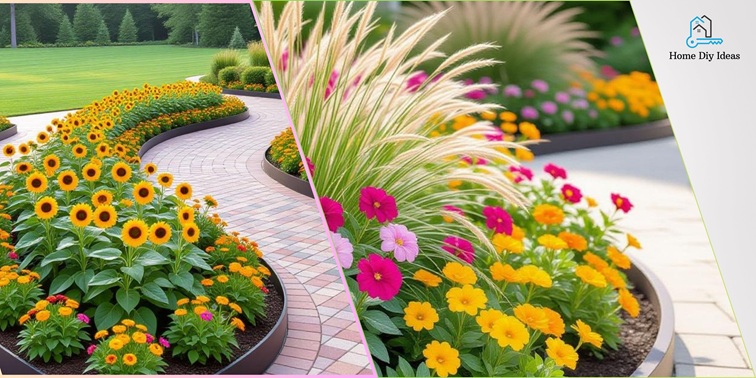

When I first used Rubberific landscape edging in my own garden, I immediately noticed the difference — cleaner lines, smooth curves, and no cracking like cheap plastic borders. It was flexible, easy to shape, and most importantly, made from recycled materials that made me feel good about my landscaping choices.
If you want a border that’s durable, safe, and environmentally smart, rubber landscape edging is a perfect balance of form and function. Let’s explore how it works, how to install it, and creative ways to make your borders stand out beautifully.
Why Choose Rubberific Landscape Edging?
Eco-Friendly by Design
Rubberific edging is made from 100% recycled rubber — often reclaimed tires — giving a second life to materials that would otherwise end up in landfills.
Flexible and Forgiving
Unlike rigid plastic or metal, rubber edging bends easily around curves and flower beds without cracking or splitting.
All-Weather Durability
It won’t rot, warp, or become brittle in freezing winters or hot summers. The material stays flexible year-round.
Safe and Low Maintenance
With rounded tops and no sharp edges, it’s perfect for families and pet areas. It also requires minimal upkeep once installed.
Pro Tip: Rubberific edging absorbs small impacts — like mower wheels or garden tools — without denting or chipping.
Plan Before You Install
A little planning ensures your edging looks professional and lasts for years.
1. Sketch Your Layout
Use garden chalk, rope, or a hose to outline your intended border shape. Rubber edging bends well, but avoid extremely tight corners for a smoother look.
2. Measure and Add Extra
Calculate your total border length and add 5–10% extra to account for overlaps and trimming.
3. Select the Right Style
Rubberific edging comes in several textures like brickface, scallop, and cobblestone. Choose a style that complements your home’s exterior and garden theme.
| Feature | What to Consider | Best For |
| Height | Taller (4″) edges for rocks or mulch | Decorative garden beds |
| Color | Black, brown, or brick tones | Matching existing landscape |
| Flexibility | Some sections bend more easily | Curved flower beds or pathways |
| Stake Count | More stakes = better hold | Slopes or high-traffic areas |
4. Handle Transitions and Corners
Think about trees, steps, or walkways that intersect your borders. Plan where you’ll trim or notch sections before you start.
How to Install Rubberific Landscape Edging
Here’s a step-by-step approach that works for most yards.
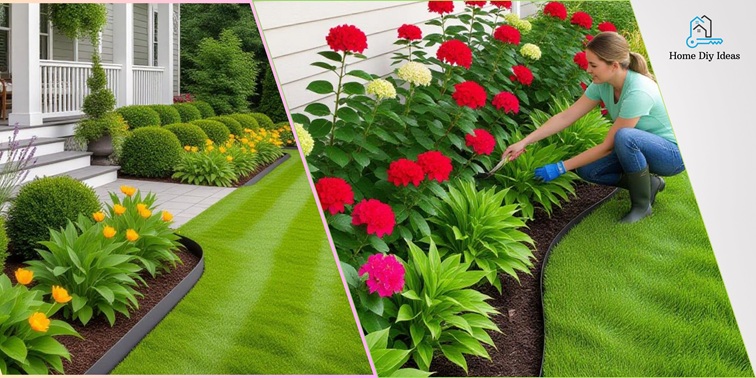
Tools & Materials
- Rubberific edging sections
- Rubber mallet or hammer
- Measuring tape
- Stakes or connectors
- Utility knife or small saw
- Gloves
- Level
- Optional: spade for shallow trenching
Installation Steps
- Prepare the Border Line: Clear a 2–3″ wide strip of grass or debris along your layout.
- Lay the First Section: Set the first piece along the border line.
- Connect Additional Sections: Snap or insert connectors between pieces for a seamless joint.
- Stake in Place: Hammer stakes through designated holes to anchor securely.
- Trim for Fit: Use a sharp utility knife or saw to cut at corners or ends.
- Check Level and Adjust: Ensure consistent height and alignment.
- Backfill: Fill soil or mulch up to the edging for a finished look.
Quick Checklist
✅ Layout line marked
✅ Ground cleared
✅ Sections connected
✅ Stakes secured
✅ Height checked
✅ Backfilled and compacted
Tip: For slopes or curves, use extra stakes and make shallow relief cuts on the back to help the edging bend naturally.
Creative Ways to Use Rubber Edging
1. Curved Flower Bed Frames
Rubberific edging easily follows flowing curves — great for soft, organic garden shapes.
2. Raised Bed Borders
Use taller edging to frame raised beds and contain mulch neatly.
3. Decorative Driveway Edges
Add a clean finish where your lawn meets the driveway for a polished curb appeal.
4. Play or Pet Areas
Rubber edging is soft enough for playgrounds or pet zones and adds safety without harsh edges.
5. Two-Tone Mulch Zones
Use black edging to define different mulch or gravel colors for visual contrast.
Maintenance and Longevity Tips
- Check yearly for loose stakes or lifted edges.
- Re-seat sections if frost heave occurs in winter.
- Clean buildup with a soft brush or hose.
- Trim grass edges occasionally to keep borders crisp.
With simple upkeep, Rubberific edging can last 10–15 years or more without replacement.
Rubber vs Other Landscape Edging
| Material | Pros | Cons |
| Rubberific (Recycled Rubber) | Eco-friendly, flexible, safe, long-lasting | Slightly higher cost per foot |
| Plastic / PVC | Cheap, lightweight | Brittle, fades in sunlight |
| Metal (Steel/Aluminum) | Sleek look, precise edge | Hard to cut, expensive |
| Concrete / Stone | Permanent, elegant | Heavy, time-consuming to install |
Rubber edging strikes a strong balance — sustainable, durable, and adaptable to almost any yard design.
Frequently Asked Questions
Yes. Its rounded edges and soft material make it one of the safest border options for family yards.
Absolutely. The rubber flexes under minor impact without cracking or chipping.
Each section can typically bend about 60° — for tighter curves, use shorter pieces and slight notches on the back.
Rubberific edging is UV-stabilized, so it resists fading and remains flexible for many years.
Yes. Use more stakes and adjust the depth slightly to follow the natural slope.
Conclusion
A great garden border doesn’t just separate spaces — it defines your landscape’s personality. Rubberific landscape edging lets you shape your outdoor areas with flexibility, strength, and environmental responsibility.
Whether you’re framing flower beds or outlining a new patio, this flexible and eco-friendly edging adds polish and purpose to your yard.


