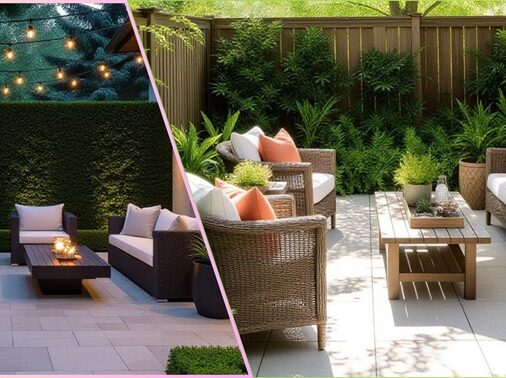
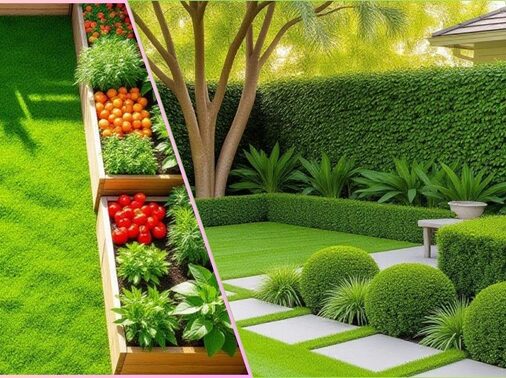
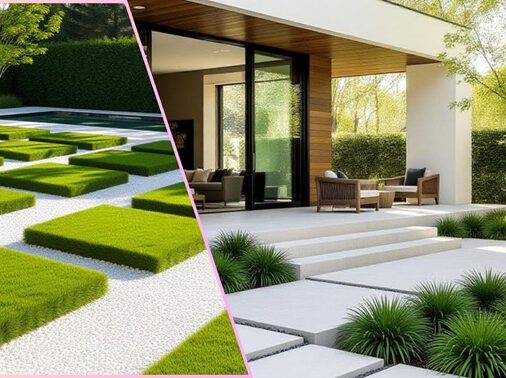
Designing a landscape in Florida is like working with a living, breathing canvas under relentless sun, humidity, and summer storms. Over the years, I’ve learned that a “Florida-friendly” approach—rooted in smart plant selection, soil care, and local ecology—can create a yard that’s both stunning and resilient.
In this article, I’ll share expert-driven strategies and practical how-to steps for creating Florida landscape ideas that thrive in the heat. I’ve also analyzed what most competitor blogs miss—and added new layers of real, homeowner-tested value.
When I first started landscaping in Florida, I made the same mistakes many homeowners make—choosing beautiful tropicals that looked great for a few weeks but couldn’t handle the summer heat. Once I switched to Florida-friendly methods, the difference was night and day.
A truly Florida-friendly landscape:
- Conserves water
- Reduces maintenance
- Minimizes erosion and runoff
- Supports native wildlife and pollinators
- Keeps your yard vibrant even during heat waves
Let’s explore how to design and maintain one that lasts.
Step 1: Start with Smart Design — Zone Your Yard
Before buying a single plant, map your yard. Zoning by sunlight, soil moisture, and purpose is key.
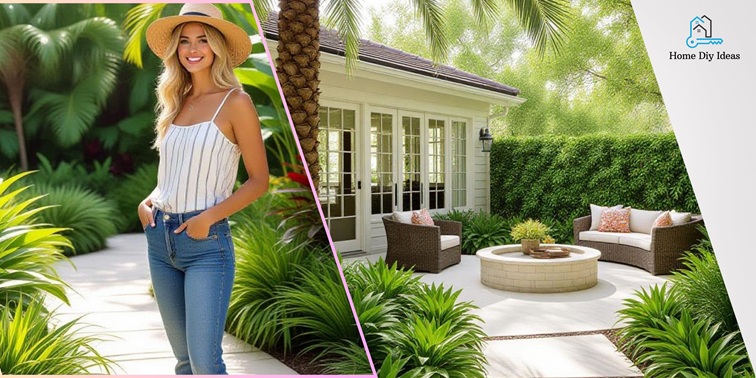
How to Create Functional Zones
| Zone | Conditions | Use / Strategy |
| Full Sun (6+ hrs/day) | Hot and dry | Use heat-tolerant, drought-resistant plants |
| Partial Shade | Filtered light under trees | Add transitional plants and understory shrubs |
| Deep Shade | Behind structures or dense canopy | Focus on ferns, moss, and lush foliage |
| Rain / Drainage Areas | Low spots or near downspouts | Create rain gardens or bioswales |
| Hardscape Areas | Patios, driveways, walkways | Use light-colored, permeable materials |
Pro Tip:
When I planned my own garden, I sketched out light patterns at three times of day. That one step saved me from planting sun-loving shrubs in deep shade!
Step 2: Choose Heat-Tolerant Plants — “Right Plant, Right Place”
Florida’s heat is relentless, so plant choice determines success or failure. Stick with natives or Florida-adapted plants—they handle heat, humidity, and sandy soils better.
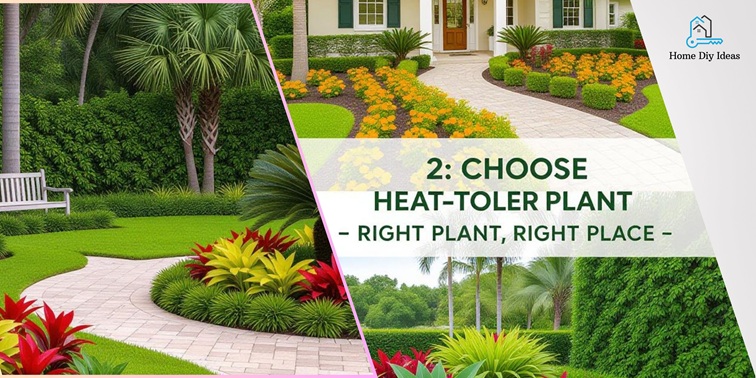
Plant Selection Checklist
- ✅ Tolerates high temperatures
- ✅ Suitable for your soil type (sandy, loamy, coastal)
- ✅ Matches sun exposure (full, partial, shade)
- ✅ Requires minimal irrigation once established
- ✅ Non-invasive and wildlife-friendly
Suggested Plants by Category
| Layer | Plant Examples | Benefits |
| Shade Trees | Live Oak, Sabal Palm, Slash Pine | Provide canopy and reduce yard temperature |
| Shrubs | Firebush, Beautyberry, Simpson Stopper | Add color and attract pollinators |
| Perennials | Lantana, Coreopsis, Coral Honeysuckle | Flowering color with low water needs |
| Groundcovers | Coontie, Dwarf Fakahatchee Grass, Sunshine Mimosa | Control erosion and replace turf |
| Accents | Bromeliads, Crotons, Palmettos | Add visual texture and tropical flair |
Planting Steps
- Dig holes twice as wide as the root ball.
- Backfill with native soil (avoid over-amending).
- Water thoroughly to settle roots.
- Apply 2–3 inches of organic mulch.
- Shade tender plants for 1–2 weeks after planting.
Step 3: Design Hardscapes That Stay Cool
Hard surfaces often turn yards into heat islands—but smart materials fix that fast.
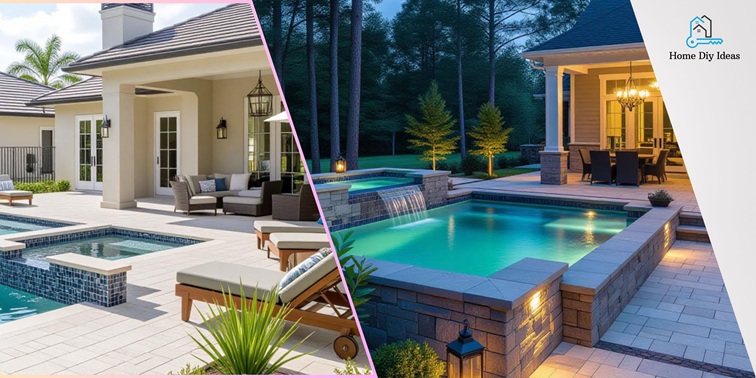
Heat-Smart Hardscape Ideas
- Use light-colored or reflective pavers to lower surface temperature.
- Choose permeable surfaces to reduce runoff.
- Add pergolas, trellises, or shade sails for cooling and comfort.
- Include small water features (like fountains or bubbling pots) to add moisture and reduce air temperature.
- Elevate container plants to avoid heat transfer from hot patios.
In my own patio, swapping dark brick for light composite pavers dropped midday surface temps by almost 15°F.
Step 4: Master Mulching & Water Management
Your soil and water habits determine how well your plants survive Florida’s extremes.
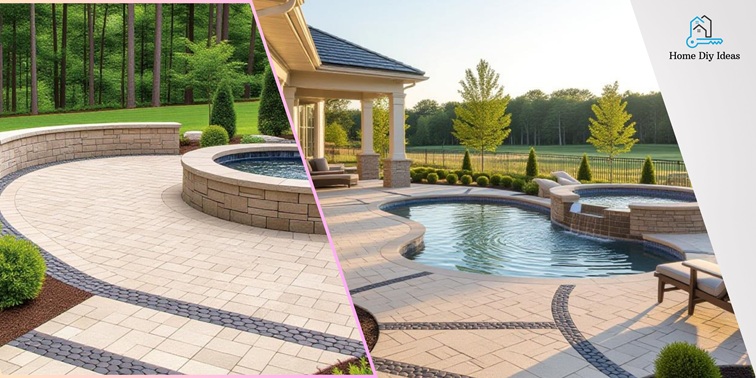
Best Mulching Practices
- Maintain 2–3 inches of organic mulch (pine bark, leaf litter, or eucalyptus).
- Keep mulch 2–3 inches away from trunks and stems.
- Refresh mulch annually before the summer heat.
Mulch acts like insulation—retaining moisture, cooling roots, and preventing weeds.
Water-Wise Tips
- Water early morning (before 8 a.m.) to minimize evaporation.
- Use drip irrigation for deep, even watering.
- Install rain sensors or smart controllers to avoid overwatering.
- Capture rainwater in barrels or cisterns for reuse.
During Heat Waves
- Skip fertilizing (it stresses plants).
- Deep-water trees once a week.
- Avoid pruning—let foliage shade the soil.
- Watch for wilt, leaf scorch, or curl as early stress signs.
Step 5: Maintenance Schedule & Seasonal Care
A beautiful Florida landscape is a year-round commitment—but with structure, it’s easy.
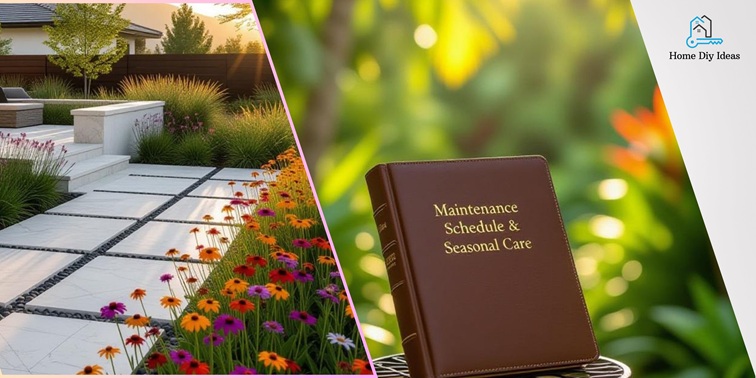
Seasonal Checklist
| Season | Key Tasks | Notes |
| Spring | Prune dead growth, test irrigation, plant new shrubs | Best time to refresh mulch and soil |
| Summer | Monitor moisture, deep water, check for pests | Avoid heavy pruning or fertilizing |
| Fall | Add new plants, trim lightly, reduce watering | Use cooler weather for landscape updates |
| Winter | Clean beds, compost leaves, plan next season | Repair hardscapes before rains |
Ongoing Maintenance Tips
- Adjust irrigation seasonally.
- Check mulch depth quarterly.
- Rotate container plants for even sun.
- Inspect for pests and diseases monthly.
- Keep at least 40% of the yard shaded to reduce ambient heat.
Design Inspiration: Two Simple Layouts
Layout 1: Cool Courtyard Oasis
- Pergola-shaded seating area
- Reflective patio pavers
- Border of Firebush and Lantana
- Small bubbling fountain centerpiece
- Native grass edging for low maintenance
Layout 2: Sun to Shade Transition
- Front sunny zone: flowering perennials
- Mid-zone: medium shrubs and grasses
- Shaded rear: ferns, bromeliads, and accent pots
- Porous path connecting all areas
- Solar lights for evening ambience
Common Mistakes (and What I Learned)
- Overcrowding plants: I once planted too close and ended up pruning constantly. Leave space for mature size.
- Wrong plant location: Some plants love shade—don’t force them into full sun.
- Neglecting soil: Florida sand drains fast; add compost lightly each year.
- Skipping mulch: Bare soil loses water fast and bakes roots.
Avoid these and your garden will thank you with healthier, longer-lasting growth.
FAQ: Florida Landscaping Questions
Yes. Use drought-tolerant species like Zoysia or Bahia grass in functional areas only.
Apply a slow-release fertilizer once or twice yearly—avoid midsummer heat applications.
Early spring or fall, when temperatures are moderate and rainfall is reliable.
Look for midday wilting, scorched edges, or dull leaf color—then increase deep watering.
Absolutely—it controls runoff, supports pollinators, and reduces water bills.
Conclusion
A Florida-friendly landscape is more than just surviving the heat—it’s about thriving with it. With smart design, native plants, and consistent care, your yard can stay vibrant, eco-friendly, and easy to maintain year-round.
Start small. Redesign one bed, try native shrubs, or replace that high-maintenance turf patch. Every sustainable step adds beauty—and value—to your home.