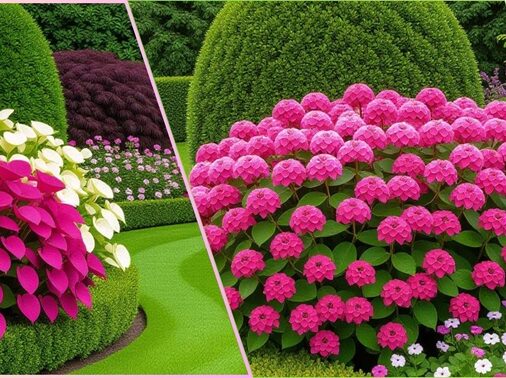
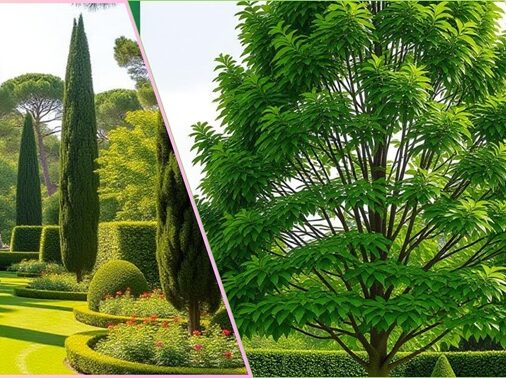
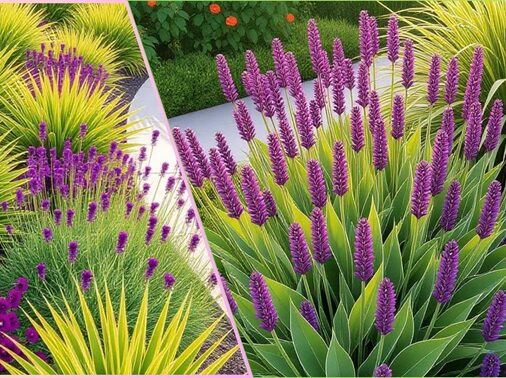
Designing a beautiful yard in Florida isn’t just about choosing pretty plants — it’s about picking survivors. With relentless sun, salty air, and intense humidity, not every plant can handle the Florida climate. Over the years, I’ve learned that the best Florida landscapes balance resilience with color, texture, and low maintenance. In this guide, I’ll walk you through the best heat-loving, humidity-proof plants, and how to use them to create a thriving yard.
Why Plant Choice Matters in Florida Landscaping
Florida’s climate is intense. Between hurricanes, sandy soil, salt spray, and unrelenting sunshine, only certain species will thrive. Selecting native or drought-tolerant plants lowers maintenance, reduces water bills, and prevents constant replacements.
Top Florida Landscaping Plants for Heat & Humidity
Best Flowering Plants for Florida Yards
Hibiscus
Perfect for bright tropical flair, Hibiscus blooms almost year-round in Florida.
- Sun: Full sun
- Water: Moderate
- Use: Accent shrubs or entry focal points
Ixora (Flame of the Woods)
Clusters of red, orange, and yellow flowers — a pollinator favorite.
- Best For: Front beds, borders
- Care Tip: Requires acidic soil
Firebush (Hamelia patens) – Native Favorite
- Attracts butterflies and hummingbirds
- Extremely drought-tolerant once established
- Thrives in sandy Florida soil
Florida-Friendly Shrubs & Privacy Plants
| Plant Name | Growth Habit | Ideal Use | Salt Tolerance |
| Clusia (Autograph Tree) | Dense, evergreen | Privacy hedge | High |
| Cocoplum | Rounded shrub | Coastal landscapes | High |
| Viburnum | Tall, fast-growing | Backyard screens | Low |
Low-Maintenance Groundcovers & Fillers
Coontie Palm (Zamia pumila)
Florida native, drought-resistant, palm-like texture — great for borders.
Liriope (Monkey Grass)
- Useful around walkways and tree bases
- Handles full sun to partial shade
Sunshine Mimosa
Fast-spreading groundcover with pink puffball blooms.
Design Tips: How to Use Plants in Florida Landscaping
Step-by-Step Plant Placement Strategy
- Assess Sun Zones – Identify full sun vs. partial shade areas.
- Layer Heights – Tall shrubs in the back, flowering mid-layers, low groundcovers upfront.
- Blend Texture & Color – Mix bold leaves (Clusia) with soft blooms (Ixora).
- Choose Native First – Reduces maintenance and attracts wildlife.
- Plan for Storms – Avoid weak, brittle species near structures.
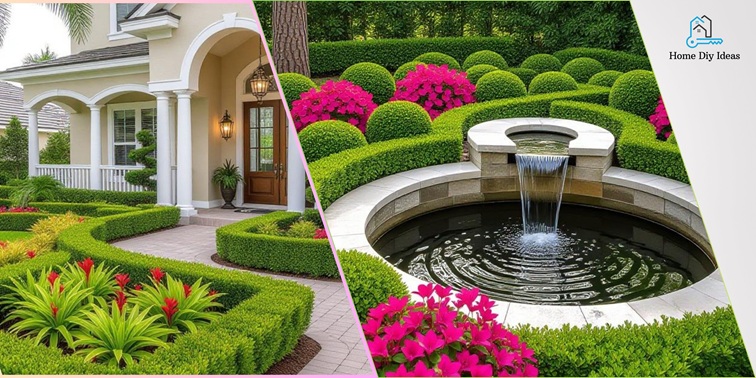
Checklist: Florida-Friendly Planting Essentials
✅ Choose drought-tolerant or native species
✅ Amend soil with organic matter (Florida sand is nutrient-poor)
✅ Install drip irrigation for efficiency
✅ Mulch heavily to retain moisture
✅ Space plants for airflow (prevents fungus in humidity)
Common Landscaping Mistakes in Florida (and How to Avoid Them)
| Mistake | Problem | Fix |
| Overwatering | Root rot in humidity | Water deep, not daily |
| Planting non-natives | High maintenance | Choose native/UF-IFAS approved |
| Ignoring soil quality | Nutrient deficiency | Add compost or topsoil |
FAQs – Florida Landscaping Plants
Firebush, coontie palm, and sunshine mimosa are durable native choices needing minimal care.
Only in North Florida or shaded areas. In full sun South Florida, they struggle with heat.
Cocoplum, sea grape, and clusia are excellent for beachside landscapes.
Use slow-release fertilizer 2–3 times a year — spring, summer, and early fall.
Yes. Native deep-rooted plants resist storm damage better than shallow ornamentals.
Conclusion
Choosing the right Florida landscaping plants is about working with nature, not against it. With heat-tolerant flowers, salt-proof shrubs, and hardy groundcovers, you can create a colorful, resilient outdoor space without constant upkeep. Start small, build layers, and let your landscape grow into an authentic Florida oasis.