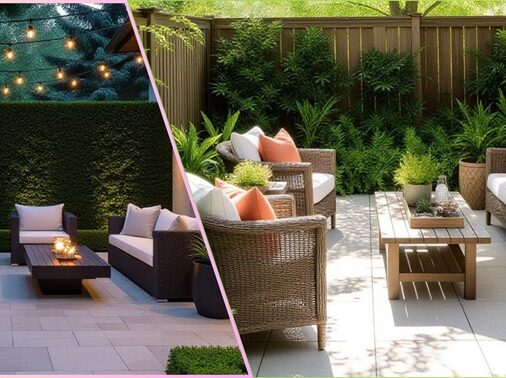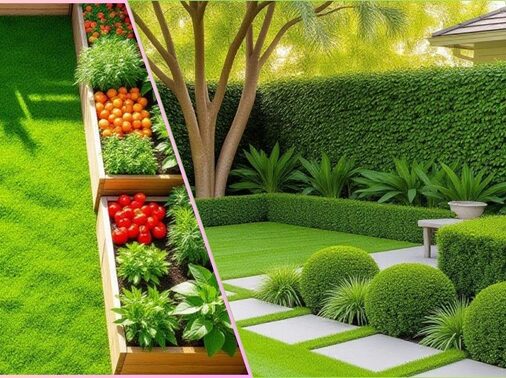

Imagine stepping out your back door into a verdant retreat—lush foliage overhead, vibrant blossoms along winding paths, and the gentle sound of water guiding you deeper into a private paradise. That’s the vision behind a tropical backyard landscape: an immersive sanctuary that beckons you to linger, relax, and reconnect with nature.
In this guide, you’ll gain not only inspiration but also actionable strategies—grounded in horticultural insight and design best practices—to bring that vision to life in your own space using top-tier tropical backyard landscaping ideas.
Planning Your Tropical Retreat: Strategy & Foundations
Assess Your Site & Climate
Before picking plants or laying pathways, understand the canvas you’re working with:
- Climate zone and hardiness – check USDA hardiness zone maps.
- Sunlight patterns – map where full sun, partial shade, and deep shade fall.
- Soil conditions – test pH, texture, and drainage.
- Topography & drainage – note slopes, low spots, and runoff flows.
- Existing structures & utilities – locate underground lines, trees, patios, and fences.
- Wind and microclimates – walls and fences can alter wind and shade patterns.
This foundational audit ensures that your design is sustainable and realistic.
Establishing the Design Framework
Break the project into composable layers and zones:
- Hardscape “skeleton” — walkways, patios, retaining walls, seating areas
- Vertical structure — palms, specimen trees, tall accent plants
- Mid-layer & understory — shrubs, mid-size ferns, bromeliads
- Groundcovers & filler — low-growing tropicals, border plants, grasses
- Focal features — water features, sculptures, fire pits, pergolas
- Lighting, irrigation, and micro-climate adjustments
Phased Implementation Roadmap
| Phase | Key Tasks | Goals |
| Phase 1 | Site cleanup, grading, drainage prep, soil enrichment | Create a stable base and correct drainage |
| Phase 2 | Infrastructure (irrigation, electrical, hardscape paths, retaining walls) | Lay the invisible “nerves” of the landscape |
| Phase 3 | Major plant installation (trees, palms, large shrubs) | Establish framework and structure |
| Phase 4 | Secondary plantings (mid & low layers, groundcovers) | Fill in texture and fullness |
| Phase 5 | Features & finishing (lighting, water features, furniture) | Bring ambience, usability, and detail |
| Phase 6 | Maintenance & seasonal tuning | Adjust pruning, fertilizing, pest control, irrigation |
Core Strategies to Create a Lush Tropical Backyard
Smart Plant Selection & Layering
Use Layered Planting for Depth & Privacy
Tropical landscapes achieve richness through layered composition. Use:
- Canopy layer: tall palms, focal trees
- Midstory: smaller trees, shrubs
- Understory: shade-tolerant ferns, philodendrons, caladiums
- Groundcover: low, spreading plants
Layering adds privacy, dimension, and a sense of immersion.
Reference Planting Matrix (U.S. Example)
| Plant | USDA Zones | Light Preference | Mature Size | Best Use / Notes |
| Queen Palm | 8–11 | Full sun / partial shade | 30–50 ft | Elegant tropical vertical accent |
| Bird of Paradise | 9–11 | Full sun | 3–5 ft | Bold architectural foliage & flowers |
| Heliconia spp. | 9–11 | Partial shade | 4–8 ft | Striking bracts, tropical drama |
| Bromeliads | 10–11 | Shade / filtered sun | 1–3 ft | Great as fillers or base plantings |
| Elephant Ear | 8–11 | Partial shade | 2–6 ft | Large, bold foliage for drama |
| Croton | 9–11 | Full sun | 2–5 ft | Colorful leaves as midlayer accent |
| Ferns | 8–10 | Shade | 1–3 ft | Excellent understory & edging filler |
| Ixora / Pentas | 9–11 | Sun to partial shade | 1–4 ft | Bright flowering shrubs or accents |
Irrigation, Drainage & Soil Health
Designing an Efficient Irrigation System
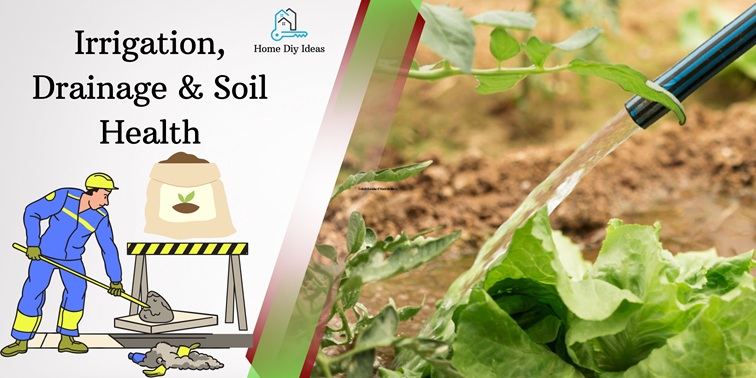
- Drip lines + microsprays: direct water to roots, reduce waste
- Smart controllers: adjust schedules to rainfall and temperature
- Zoned watering: group plants by similar water needs
- Soaker hoses: efficient for dense beds
- Rain sensors: prevent overwatering
Drainage & Soil Amendment Essentials
- Grade to shed excess water
- Add French drains or dry creek beds in sloped areas
- Amend soil with compost and grit for structure
- Mulch 2–4 inches deep to retain moisture and suppress weeds
Hardscape, Circulation & Focal Elements
Pathways & Circulation
- Favor curved, natural paths to mimic jungle movement
- Use flagstone, pebbles, or stepping stones
- Edge paths with lush groundcovers or low ferns
- Add “pause points” for benches or focal plants
Water Features & Focal Points
Incorporate water for sensory appeal:
- Bubbling fountains
- Small waterfalls or ponds
- Rain chains or stone basins
Surround with moisture-loving plants to complete the scene.
Lighting & Night Ambience
- Use low-voltage LED or solar lighting
- Highlight trunks and large leaves with uplighting
- Add string lights or tiki torches for a resort-like feel
Maintenance & Seasonal Management
Pruning & Grooming
- Prune palm fronds only when brown
- Trim shrubs after flowering
- Remove dead or diseased foliage promptly
Fertilization & Soil Care
- Use slow-release tropical fertilizers
- Add organic compost annually
- Test soil pH and nutrients seasonally
Pest & Disease Vigilance
- Watch for scale, mealybugs, and fungi
- Use natural pest control and promote healthy soil biology
Seasonal Adjustments
- In cooler zones, protect sensitive plants with frost covers
- Adjust watering during rainy or dry seasons
- Refresh mulch and inspect drainage after storms
Checklist: Pre-Installation Tropical Readiness
- Sun/shade and slope mapping completed
- Soil test results analyzed
- Grading & drainage plan finalized
- Irrigation layout designed
- Hardscape materials selected
- Tree and palm positions marked
- Plant list and quantities confirmed
- Lighting and feature plans reviewed
- Maintenance schedule drafted
FAQs
Yes. Use hardy tropical-look plants or container species that can be moved indoors. Focus on microclimates and add protection in winter.
Use structured planting, defined paths, and seasonal pruning. Maintain visual order through spacing and grooming.
Not if designed wisely. Drip irrigation, mulching, and native-tropical plants can keep water usage efficient.
Early spring or early fall, allowing roots to establish before temperature extremes.
Expect $8,000–$25,000 for an average yard, depending on plant maturity, materials, and features. Phased implementation helps manage costs.
Conclusion & Call to Action
Creating a lush tropical retreat in your backyard is achievable when approached methodically. By combining layered plantings, balanced water management, and thoughtful lighting, you can turn your outdoor space into a serene resort-style paradise.
Start small if needed—phase your project, build the foundation, and let the greenery mature. Over time, your tropical landscape will grow into a private escape that refreshes the senses and adds lasting property value.