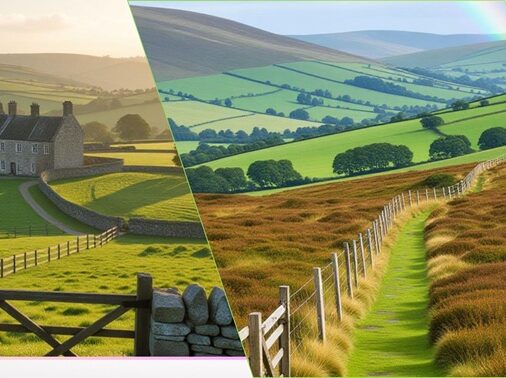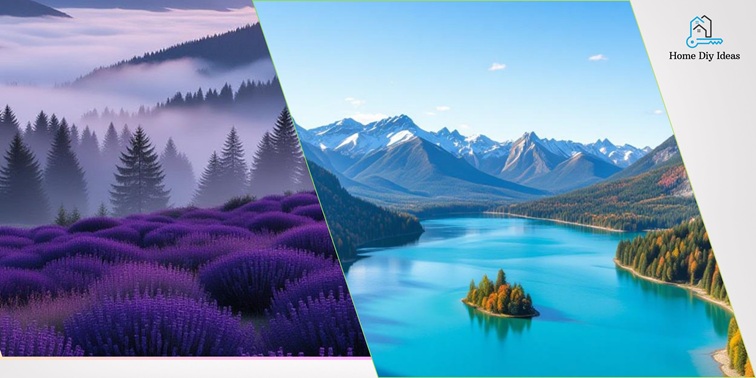

When I first brought home a landscape canvas print for my living room, I didn’t fully anticipate how much it would shift the tone of the space. Suddenly, the wall went from “just empty” to a calm portal—reminding me of open skies, rolling hills, or quiet lakes. If you’re exploring how to breathe fresh life into your home décor, landscape canvas prints offer a surprisingly potent tool. They’re not just “nice to look at” pieces—they can anchor a room’s mood, relate to your personal journey, and even subtly support a mindful atmosphere.
Why Landscape Canvas Prints Work: A Deeper Dive
When you hang a landscape print, you’re doing more than decorating: you’re engaging with mood, perception, space-energy and emotional tone.
1. Anchoring the space with nature imagery
Humans respond deeply to natural vistas—mountains, lakes, skies. Landscape imagery evokes calm, expansiveness, and openness. When placed well, a landscape canvas print becomes a visual “window” that opens a room’s atmosphere.
2. Creating a focal point and balancing energy
In interior design and mindful living, a clear focal piece anchors a room’s energy. A landscape canvas achieves that effortlessly, influencing how the space feels—relaxed, grounded, or inspired.
3. Versatility across décor styles
Landscape prints adapt to many styles: rustic, coastal, modern, or minimalist. They bridge different décor elements, adding unity to diverse interiors.
4. Emotional & narrative resonance
Selecting a scene with personal meaning—perhaps a place you love or a view that symbolizes tranquility—deepens the connection. Your wall art becomes part of your story.
How to Choose the Right Landscape Canvas Print: Practical Step-by-Step
Step 1: Define the room’s purpose and mood
- Is this a living room, bedroom, office, or entryway?
- What mood do you want—calm, energizing, cozy, or bright?
- Match the print’s scene and colors to that desired emotion.
Step 2: Measure wall space and pick size
- Use painter’s tape to visualize space before purchasing.
- Artwork width should be 60–75% of the wall or furniture width.
- Hang the center of the print at about 57–60 inches from the floor.
- Keep 6–8 inches between furniture top and bottom of print.
Step 3: Choose image subject, color palette & style
- Subject: mountains, ocean, forest, desert, fields, etc.
- Palette: pull colors from nearby décor pieces for balance.
- Style: realistic photography for modern décor, painterly or abstracted scenes for warmth and creativity.
Step 4: Select material & finish
| Feature | Considerations |
| Gallery-wrap canvas | Modern, frameless look; good for minimal or large pieces. |
| Framed canvas print | Classic finish; choose frame color that complements furniture. |
| Matte finish | Reduces glare, ideal for bright rooms. |
| Gloss finish | Adds vibrancy and depth but may reflect light. |
| Print quality | Choose archival inks and durable stretcher bars for longevity. |
Step 5: Plan hanging & lighting
- Decide whether the print is a centerpiece or part of a gallery wall.
- Use sturdy wall anchors for large prints.
- Highlight texture with subtle picture lighting or soft wall washers.
- Keep the artwork at eye level for natural balance.
Step 6: Integrate with décor and environment
- Align the width of the artwork with furniture beneath it.
- Match or echo one or two print colors with accessories like cushions or lamps.
- Leave breathing space around the artwork to maintain focus.
- Use open-horizon prints in meditation or relaxation areas for serene energy.
Step 7: Maintenance & longevity
- Avoid direct sunlight and moisture-heavy areas.
- Dust with a microfiber cloth; skip chemical cleaners.
- For longevity, opt for UV-resistant coatings or archival-grade materials.
Real-World Room Applications
Living Room Statement Wall
Setup: Neutral sofa, light wood furniture, and green plants.
Solution: A wide panoramic landscape—perhaps a sunrise over hills—adds warmth and life.
Tip: Hang 6 inches above sofa back and align width proportionally with furniture.
Bedroom Calm Retreat
Setup: Soft linens, muted tones, warm wood furniture.
Solution: Choose misty forest or coastal dawn prints in framed canvas for softness.
Tip: Avoid bold contrast prints—gentle colors aid rest and relaxation.
Entryway or Hallway Refresh
Setup: Narrow corridor or small foyer.
Solution: A horizontal horizon print creates an illusion of openness.
Tip: Use soft accent lighting to welcome guests and expand perceived space.
Quick-Use Checklist
- Identify room purpose and mood
- Measure wall and furniture width
- Select scene and palette
- Decide on material and finish
- Hang at eye level (57–60 inches from floor)
- Light the artwork softly
- Match surrounding décor elements
- Maintain regularly with gentle dusting
Frequently Asked Questions
Choose a print 60–75% of the wall or furniture width. Keep the center about 57 inches from the floor.
Framed looks more traditional; frameless (gallery-wrap) fits modern, minimalist spaces. Match style to your interior.
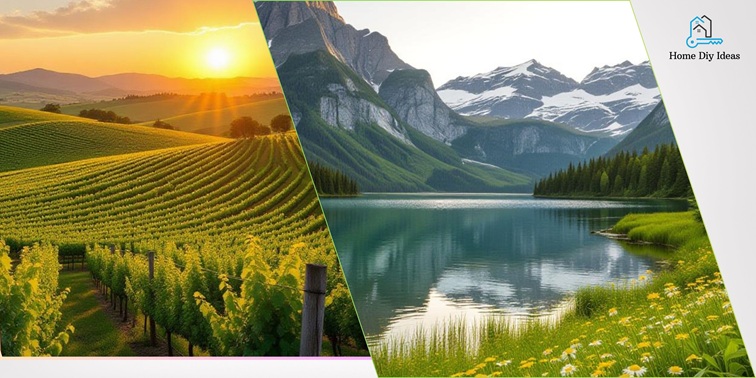
Calm water scenes promote relaxation, mountain vistas inspire energy, and open fields bring balance and clarity.
Keep alignment proportional to furniture, hang at eye level, and ensure balanced lighting for visual harmony.
Yes—opt for lighter tones and simpler imagery to visually expand the room and keep the space feeling airy.
Conclusion
When chosen mindfully, landscape canvas prints do more than fill empty walls—they create atmosphere, emotion, and flow. Every room in your home can benefit from this effortless blend of style and serenity.
Start by visualizing how you want your space to feel: calm, alive, open, or grounded. Measure your wall, pick a scene that speaks to you, and bring a touch of nature indoors. Your home deserves art that feels as good as it looks.