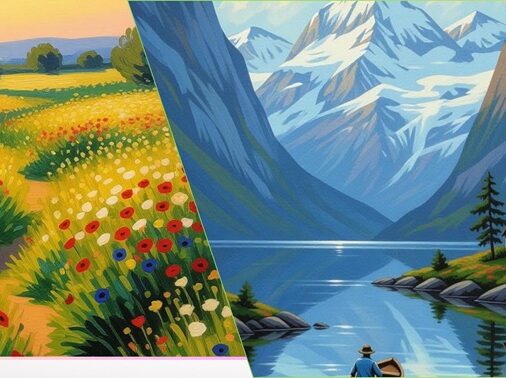
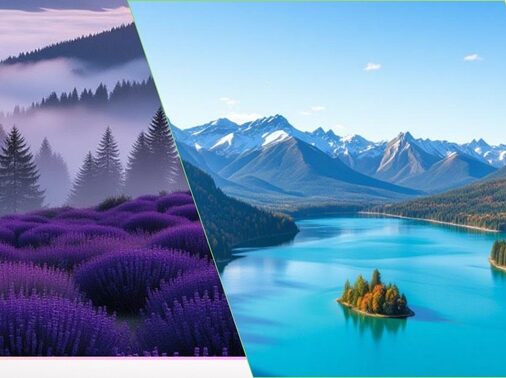
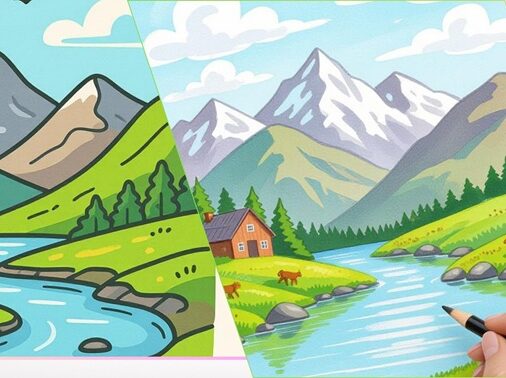
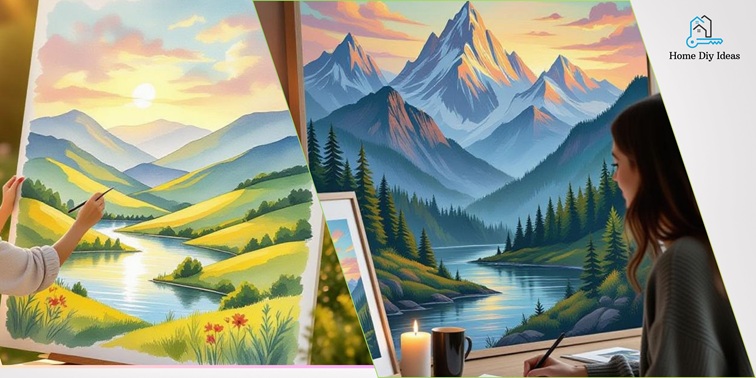
When I first introduced a sweeping mountain vista canvas into my living room, something shifted—not just the décor, but the entire atmosphere. I found myself lingering longer in the evenings, drawn into the calming horizon. That’s the quiet magic of landscape wall art—it doesn’t just decorate a space; it transforms it into a reflection of nature and serenity.
In this guide, I’ll share how to choose, position, and style landscape wall art for your home. Whether you prefer tranquil pastures, ocean horizons, or abstract nature scenes, these insights will help you curate art that feels intentional, balanced, and deeply personal.
Why Landscape Wall Art Transforms a Space
Landscape wall art captures the peace and rhythm of the natural world, bringing an organic sense of balance indoors. It evokes calm, expands perceived space, and creates a focal point that anchors your décor.
Benefits include:
- Visual depth: Expands a room by drawing the eye into the distance.
- Mood enhancement: Nature imagery naturally reduces stress and adds tranquility.
- Style coherence: Complements various interior themes—from modern minimalism to rustic charm.
- Seasonal versatility: Easily refreshed to reflect time of year or mood.
Expert Tip:
When choosing landscape wall art, ask yourself: “Does this piece connect the room’s colors, light, and flow?” If yes, it’s more than décor—it’s design harmony.
Planning Your Landscape Wall Art Feature
1. Pick the Right Wall and Scale
- Measure your wall’s width and height.
- Choose art that spans two-thirds to three-fourths the width of furniture beneath (like a sofa or console).
- Use painter’s tape to preview placement before buying.
2. Choose Subject, Color, and Style
| Décor Style | Ideal Landscape Subject | Recommended Palette | Frame Style |
| Modern / Minimalist | Abstract horizons or mountain silhouettes | Cool neutrals, greys | Metal or black frame |
| Coastal / Beach House | Ocean vistas, dunes, skies | Soft blues, beige | Light wood or white frame |
| Cottage / Traditional | Forests, rivers, meadows | Warm greens, amber | Classic wood frame |
| Industrial / Loft | Urban edge or bold contrast landscapes | Charcoal, rust | Brushed steel or dark oak |
3. Select the Right Frame and Material
- Canvas: Adds texture and depth; great for large spaces.
- Prints: Ideal for affordable, scalable options.
- Frame type: Match furniture tone and architectural lines.
- Lighting: Protect from direct sunlight with UV-resistant glass or acrylic.
4. Budget & Customization Ideas
- Explore printable digital art for low-cost customization.
- Visit thrift stores or art fairs for unique, character-rich finds.
- Use gallery walls to create high-impact visuals from smaller prints.
Creative Display Ideas
A. Large Statement Piece
Best for: Living rooms or focal walls.
Steps:
- Center above furniture.
- Keep bottom edge 6–12 inches above sofa or console.
- Align horizon with eye level for natural balance.
Pro Tip: A wide, open landscape can make a small room feel spacious.
B. Gallery Wall Arrangement
Best for: Hallways, staircases, or accent corners.
Checklist:
- Choose 3–5 pieces with a consistent theme or palette.
- Maintain equal spacing (2–3 inches).
- Test layout on the floor before hanging.
- Use paper templates to visualize placement.
C. Seasonal or Rotating Sets
Refresh your walls with changing seasons or moods.
Steps:
- Store alternate prints in labeled folders.
- Swap seasonally—fresh greens for spring, warm tones for autumn.
- Keep consistent frame sizes for easy rotation.
D. Outdoor-Inspired or Patio Wall Art
Extend the landscape outdoors.
- Use weatherproof materials (metal, treated wood, sealed canvas).
- Mount under shade or patio roof.
- Anchor securely to resist wind.
Tip: Align the artwork’s scene with your garden view to create continuity.
Practical Checklist for Hanging Landscape Wall Art
| Step | Action |
| 1 | Measure wall dimensions and furniture width |
| 2 | Mark visual footprint with painter’s tape |
| 3 | Choose subject and palette to match room |
| 4 | Select proper hanging hardware |
| 5 | Hang 57–60 inches from floor (eye level) |
| 6 | Level carefully using a spirit level |
| 7 | Evaluate lighting throughout the day |
| 8 | For gallery walls, map with paper templates |
| 9 | Rotate or refresh seasonally for visual interest |
Advanced Design Tips
- Align Horizons with Furniture Lines – Keep the art’s horizon visually in sync with your furniture height for balance.
- Repeat Key Colors – Echo tones from the art in cushions, rugs, or accessories for cohesion.
- Layer with Lighting – Use directional spotlights or picture lights to highlight texture and color.
Best Practices by Room
| Room | Best Subject | Size Guide | Design Note |
| Living Room | Expansive vistas | ⅔ sofa width | Anchor the space visually |
| Bedroom | Calm lakes or forests | ½ headboard width | Promote relaxation |
| Home Office | Open fields or geometric abstracts | Eye level when seated | Boost focus and inspiration |
| Hallway | Vertical paths or rivers | Two-thirds wall height | Create movement and depth |
| Outdoor Area | Weatherproof nature art | Proportionate to wall | Blend with garden elements |
FAQs About Landscape wall art
Yes. Unify them through consistent frame tones or color palettes to maintain harmony.
The center should sit 57–60 inches from the floor or about 6–12 inches above furniture.
One large piece can visually expand space. Alternatively, use 3–4 smaller pieces in a tight grid layout.
Absolutely. High-resolution digital art gives flexibility in sizing and cost—just print on quality paper or canvas.
Not necessary, but refreshing art yearly or seasonally keeps décor dynamic and inspiring.
Conclusion
Adding landscape wall art isn’t just about hanging a picture—it’s about shaping atmosphere. Each piece you choose tells a story about your connection to nature and design. Whether it’s a bold mountain vista or a gentle meadow, the right landscape art brings calm, focus, and character to your home.
Take your measurements, choose a piece that moves you, and start transforming your walls today. Your next masterpiece might be just one frame away.