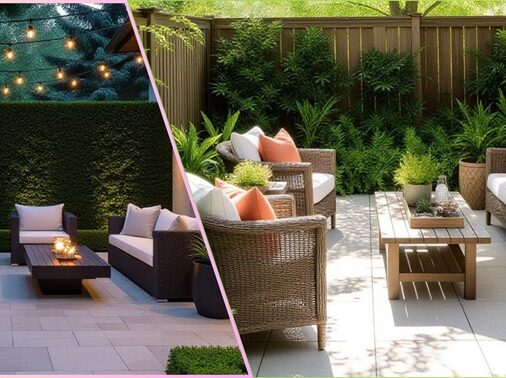
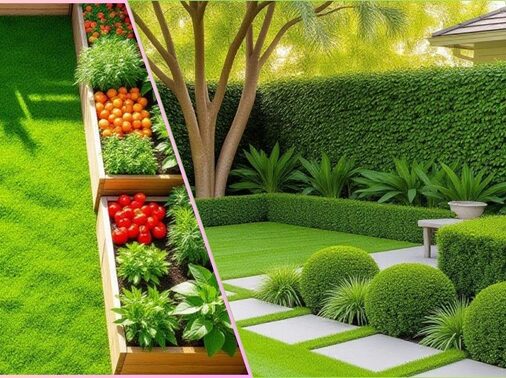
When I first began working on modern landscape projects, I was struck by how powerful simplicity can be. A minimalist approach doesn’t mean sparse or sterile—it means every element earns its place. In this article, I’ll share how to design modern landscapes that feel crisp, elegant, and deeply intentional.
But before diving into design tips, here’s a quick look at what I discovered when assessing top-ranking competitor content (for “modern landscape design”)—and where I aim to fill gaps:
What Is Modern Landscape Design?
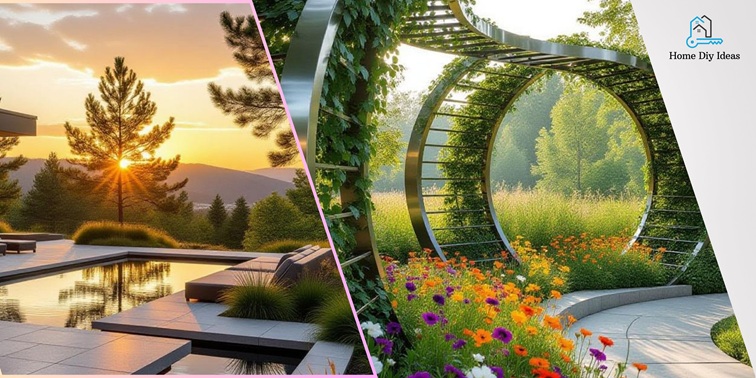
Modern landscape design revolves around three core ideas:
- Simplicity — eliminating visual clutter
- Geometry & Clean Lines — strong structural forms
- Purpose & Restraint — every plant, path, and hardscape has a reason
Over time, I’ve found that successful modern landscapes also share these traits:
- Repetition and rhythm in layout
- Clear sightlines and open space
- Strong contrast between textures (hardscape vs. softscape)
- Integration with architecture (mirroring angles, materials, proportions)
With that foundation, let’s move into principles and techniques.
Core Design Principles for Modern Minimalist Landscapes
1. Embrace Strong Lines & Geometry
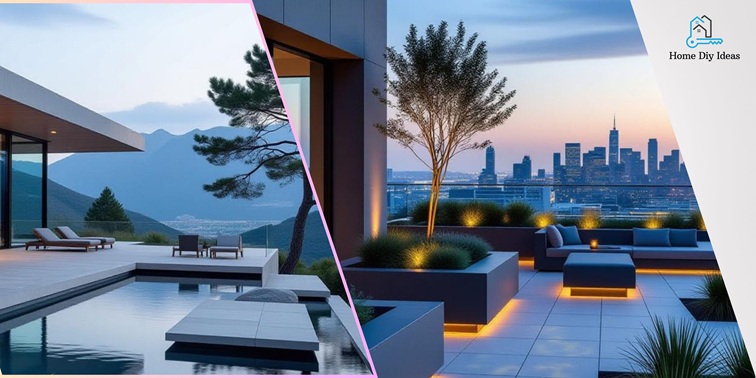
- Use straight or gently curving edges rather than irregular ones
- Choose square or rectangular pavers, linear water features, and parallel plant beds
- Keep alignments consistent—align pathways, walls, and architectural lines
2. Limit the Palette
- Hardscape: stick to neutral tones like gray, white, black, or muted earthy hues
- Plants: focus on green foliage with one or two accent colors
- Repetition of the same plant species creates rhythm and order
3. Contrast & Balance
- Pair smooth surfaces (concrete, pavers) with coarse textures (gravel, grasses)
- Balance solid masses (walls, raised beds) with open voids (lawns, patios)
- Use negative space intentionally—it’s part of the design
4. Layering in Simplicity
- Stick to two or three planting layers (groundcover → mid-height shrubs → vertical accents)
- Avoid visual clutter; give each layer room to breathe
- Use sculptural or architectural plants sparingly
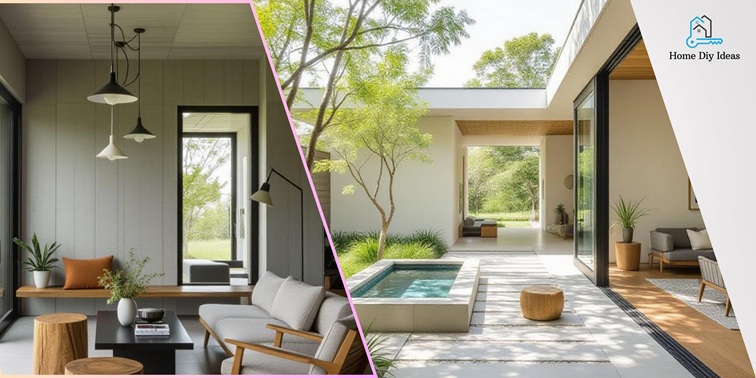
5. Seamless Indoor–Outdoor Flow
- Use similar flooring or paving materials indoors and outdoors
- Maintain clear sightlines from key interior rooms
- Consider sliding doors, continuous decking, or level thresholds
Practical Strategies & Features
Hardscape Strategies
- Paver Layout: large-format slabs with narrow joints
- Gravel / Decomposed Granite: ideal for filler areas and drainage
- Edge Detailing: use crisp steel or hidden concrete edges
- Water & Fire Features: linear fountains, reflecting pools, or trough-style fire pits
- Steps & Terracing: floating steps or cantilevered slabs for a modern effect
Planting Strategies
- Monoculture Blocks: clusters of one species for uniformity
- Architectural Plants: agave, yucca, bamboo, clipped evergreens
- Grasses: miscanthus, carex, or pennisetum add texture and movement
- Groundcovers: mondo grass, sedum, or creeping thyme soften hard edges
- Accent Trees: choose one sculptural tree (like a Japanese maple or olive tree)
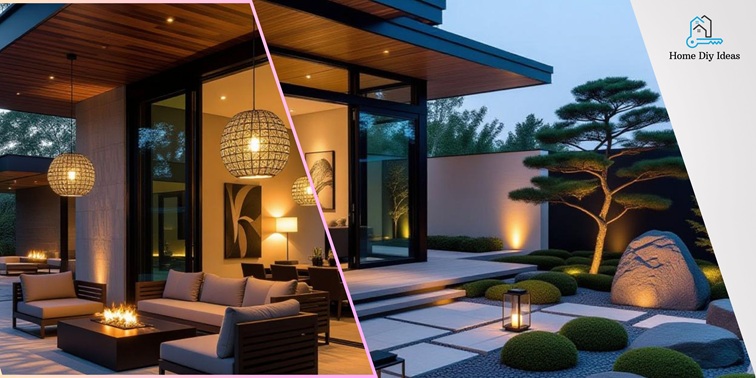
Lighting & Night Design
- Uplights to highlight vertical forms
- Recessed step or path lighting for safety and mood
- Hidden linear LED strips for soft, even illumination
- Gentle wall-wash lighting for depth and ambiance
Irrigation & Maintenance
- Install hidden drip irrigation beneath mulch
- Automate watering with timers for efficiency
- Schedule light pruning and weeding monthly
- Keep gravel borders and joints clean for sharp definition
Implementation Checklist
| Phase | Task | Notes |
| Site Analysis | Measure slopes, sun paths, existing structures | Understand spatial and environmental conditions |
| Framework Layout | Define main axes, pathways, and zones | Maintain strong linear geometry |
| Hardscape Installation | Pavers, retaining walls, terraces | Forms the design backbone |
| Planting Plan | Group plants for visual rhythm | Keep color and species limited |
| Lighting & Water Features | Install illumination and movement elements | Enhance atmosphere and usability |
| Maintenance Plan | Create seasonal checklist | Protect design integrity long term |
Region & Climate Adaptation Tips
While the modern aesthetic is universal, plant and material choices must reflect local climates:
- Dry Climates: opt for drought-tolerant species like succulents and native grasses
- Humid Areas: allow spacing for airflow and choose resilient tropical plants
- Cold Zones: focus on hardscaping, evergreens, and winter interest textures
- Rain-Prone Regions: ensure good drainage and use permeable paving materials
Start with native or climate-adapted plants—they’ll thrive with less effort and maintain the minimalist intent.
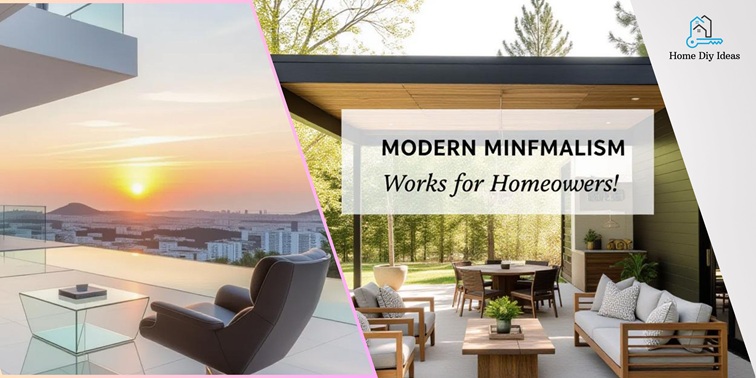
Why Modern Minimalism Works for Homeowners
Advantages
- Visually Calm: creates order and serenity
- Low Maintenance: fewer plant species and pruning requirements
- Architectural Harmony: complements modern homes
- Timeless Appeal: avoids fleeting trends
Potential Pitfalls
- Can feel sterile if too minimal
- May lean too heavily on hardscape
- Improper scale can overwhelm small spaces
- Poor lighting can make spaces feel flat
Balance restraint with warmth—add texture, light, and focal greenery to keep your design welcoming.
Frequently Asked Questions (FAQ)
No—texture, lighting, and natural materials bring warmth. Use soft foliage and wood tones to balance the structure.
Large slabs (24–48 inches square) work best for a clean, modern scale.
Yes, but use it sparingly—think of it as a “green frame” rather than the main focus.
Limit to 5–8 species to preserve simplicity and balance.
Upfront costs may be higher due to precision detailing, but maintenance is simpler and cheaper long-term.
Conclusion
Modern minimalism in landscaping is about intentional simplicity. Every plant, pathway, and material serves a purpose—creating a calm, functional, and timeless space.
If you’re ready to refresh your outdoor area, start with a sketch of your home’s geometry. Follow the clean lines, edit out the unnecessary, and let space itself be the luxury.