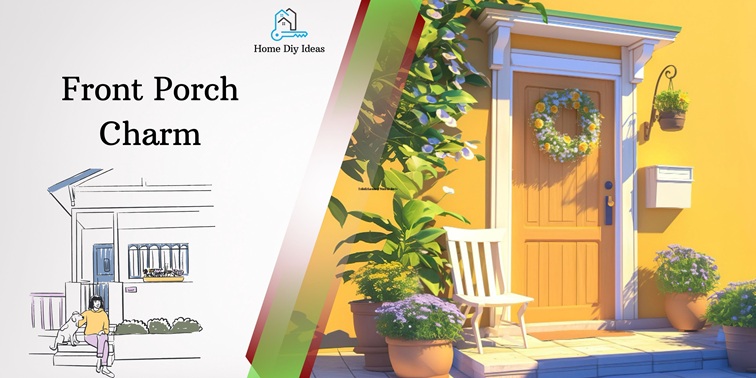

A front porch is your home’s handshake — the first impression guests receive. With thoughtful landscaping, you can turn this transitional space into a warm, inviting welcome. Whether you prefer classic symmetry or a cozy cottage vibe, the right design elements can enhance both beauty and function.
This guide combines professional landscaping insight with practical, step-by-step advice to help you design a front porch that’s both stylish and sustainable.
Why Front Porch Landscaping Matters
- As a landscape design professional, I’ve helped homeowners transform plain entryways into elegant, inviting spaces.
- This guide draws on proven horticultural principles — proportion, plant selection, soil preparation, and seasonal care.
- Techniques align with best practices used by professional designers and landscape architects for functional and aesthetic success.
- Each recommendation focuses on safety, sustainability, and long-term results — not just looks.
Step 1: Assess and Plan Your Space
Before planting a single shrub, take time to analyze your porch area.
Create a Simple Site Map
- Sketch your porch, walkway, and nearby yard features.
- Note sun exposure (morning/evening light) and drainage flow.
- Mark permanent structures like mailboxes, steps, or railings.
Define Zones
| Zone | Description | Example Features |
| Threshold Zone | Directly adjacent to the porch | Planters, low edging plants |
| Transition Zone | Between porch and yard | Walkways, mid-height shrubs |
| Framing Zone | Bed lines and outer landscape edges | Small trees, accent lighting |
Pro Tip:
Always measure your walkway width (minimum 3 ft for two people walking side-by-side) and ensure plants won’t overgrow onto paths or siding.
Step 2: Design Principles That Elevate Porch Landscaping
Balance and Scale
Keep plant sizes proportionate to porch height and façade. A small porch benefits from low, rounded plants; larger porches can handle columnar shrubs or ornamental trees.
Symmetry and Flow
Use symmetry for traditional homes — matching planters or shrubs on either side of steps. For modern or cottage-style homes, go asymmetrical with mixed textures and varying plant heights.
Texture and Color Contrast
Mix glossy evergreens with soft grasses or flowering perennials for visual depth. Choose 2–3 primary colors and repeat them for a cohesive look.
Seasonal Variety
Blend evergreens with perennials for year-round appeal — early blooms in spring, lush color in summer, and vibrant foliage in fall.
Step 3: Build Your Landscape in Phases
Phase 1 — Foundation & Structural Plants
Establish the framework with hardy, evergreen species that anchor your design year-round.
Recommended Options:
| Plant Type | Example Varieties | Notes |
| Low Borders | Boxwood, dwarf holly, liriope | Define walkway edges |
| Vertical Accents | Columnar juniper, tall ornamental grass | Add height and drama |
| Evergreens | Compact conifers, dwarf spruce | Provide winter interest |

Phase 2 — Seasonal and Decorative Layers
Add color and texture with perennials, shrubs, and potted plants.
Ideas:
- Hydrangeas or azaleas for color and structure
- Flowering perennials like salvia, lavender, and daylilies
- Decorative containers flanking steps with cascading vines or annual blooms
Design Tip:
Combine tall (thrillers), mid-height (fillers), and trailing (spillers) plants in your containers for balance.
Phase 3 — Hardscape, Lighting, and Finishing Touches
Your porch design should be cohesive from day to night.
Incorporate:
- Walkways: Use pavers, natural stone, or brick that complements your home’s façade.
- Lighting: Add soft path lights, step illumination, or warm porch sconces.
- Decor Elements: A seasonal wreath, coordinated doormat, or symmetrical planters can elevate the entryway’s personality.
Phase 4 — Ongoing Maintenance and Care
| Task | Frequency | Why It Matters |
| Mulch refresh | Twice a year | Maintains soil moisture, deters weeds |
| Shrub pruning | Spring & fall | Keeps plants shapely and healthy |
| Fertilizing | Early spring | Encourages strong root development |
| Weeding & edging | Monthly | Preserves neat bed lines |
| Replanting containers | Each season | Keeps porch vibrant year-round |
Design Templates for Inspiration
| Layout Type | Best For | Key Features | Notes |
| Classic Symmetry | Colonial or traditional homes | Mirrored planters, matching shrubs | Balanced, formal appearance |
| Cottage Garden | Farmhouse or craftsman styles | Asymmetrical curves, perennials, natural stone | Warm and relaxed |
| Modern Minimalist | Contemporary homes | Clean lines, grasses, architectural pots | Simple yet elegant |
Common Mistakes to Avoid
- Planting too close to foundations or walkways
- Overcrowding with fast-growing shrubs
- Neglecting drainage — water pooling harms roots
- Ignoring year-round appeal (no evergreens or lighting)
- Using mismatched materials that clash with home style
FAQ: Homeowner Questions Answered
Ferns, hostas, heuchera, and shade-tolerant hydrangeas perform beautifully in partial to full shade.
Absolutely! Choose varied pot heights, ensure good drainage, and rotate plants seasonally for continuous interest.
Use native species, install drip irrigation, and add thick mulch layers to minimize weeding and watering.
Early spring or fall, when soil is warm but not hot — giving roots time to establish.
At least half to one-and-a-half times their mature width away from the structure to allow healthy growth.
Conclusion: Make Your Front Porch a Year-Round Welcome
Landscaping around your front porch isn’t just about curb appeal — it’s about creating a space that feels like home before guests even step inside. By planning smartly, layering plants thoughtfully, and maintaining regularly, you can transform your entry into a lasting first impression.