A lush, beautiful yard doesn’t have to mean spending every weekend mowing, watering, and weeding. As someone who’s spent years helping homeowners simplify their outdoor spaces, I can tell you this — low maintenance landscaping is about working smarter, not harder. With the right design choices, you can enjoy a yard that looks like it came from a magazine but practically takes care of itself.
This guide brings together insights from the top-ranking articles on the topic — plus my own real-world experience — to help you design a sustainable, gorgeous, and low-effort landscape that fits your lifestyle.
🌿 What Is a Low Maintenance Landscape?
A low maintenance landscape is designed to reduce recurring tasks like watering, mowing, pruning, and fertilizing. It’s about creating harmony between plant selection, soil health, and smart design elements — so the environment does most of the work for you.
🏡 Step-by-Step: How to Design a Low Maintenance Yard
1. Start with a Plan
Before you dig, sketch a simple layout. Identify areas for plants, hardscapes, and functional zones like seating or pathways.
Pro tip: Choose shapes and features that make mowing and edging easier (curved beds are great for this).
2. Choose Native and Drought-Tolerant Plants
Native plants are your best friends — they thrive in local soil and climate with minimal care.
Examples by U.S. Region:
| Region | Easy-Care Plants |
| Northeast | Black-eyed Susan, Hostas |
| Southeast | Muhly Grass, Lantana |
| Midwest | Coneflower, Prairie Dropseed |
| Southwest | Agave, Desert Marigold |
| Pacific Northwest | Lavender, Oregon Grape |
3. Reduce Lawn Area
Lawns demand watering and mowing. Replace sections with:
- Gravel beds
- Groundcovers (like creeping thyme or clover)
- Decorative mulch and stepping stones
- Paved or gravel patios
4. Incorporate Hardscapes
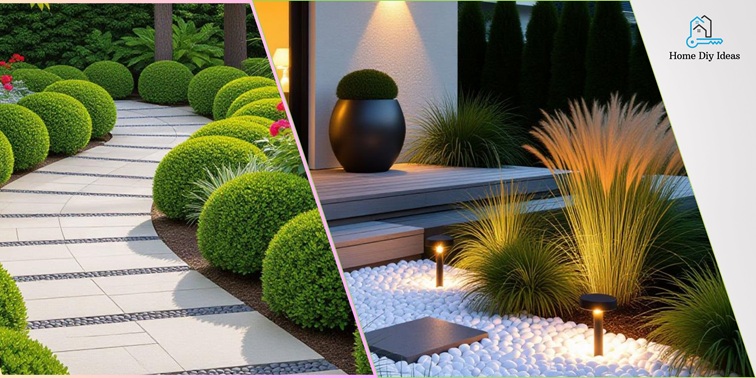
Hardscape elements like stone pathways, pavers, or raised garden beds add structure while cutting down maintenance.
Use permeable materials to prevent puddling and improve drainage.
5. Automate Watering
Install a drip irrigation system or smart sprinkler. It conserves water and delivers moisture directly to plant roots.
I personally recommend setting it to early morning or late evening to minimize evaporation.
6. Use Mulch to Block Weeds
A 2–3 inch layer of organic mulch helps regulate soil temperature, retain moisture, and stop weed growth before it starts.
7. Add Low-Maintenance Lighting
Solar-powered LED path lights or uplights create ambiance without wiring or energy costs.
🪴 Best Low Maintenance Landscaping Materials
| Material | Benefits | Maintenance Level |
| Gravel | Affordable, prevents weeds | Very Low |
| Concrete Pavers | Modern look, durable | Low |
| Composite Decking | Resists rot & fading | Low |
| Native Stone | Natural look, long-lasting | Very Low |
| Artificial Turf | Always green, no mowing | Very Low |
✅ Quick Checklist for Low Maintenance Landscaping
Planning & Design
☐ Draw your yard layout
☐ Group plants by water needs
☐ Include shaded seating zones
Planting
☐ Choose native or perennial plants
☐ Add groundcover instead of grass
☐ Use drip irrigation
Finishing Touches
☐ Mulch every season
☐ Install solar lighting
☐ Keep pruning simple — once or twice yearly
💰 Budget-Friendly Tips for Low Maintenance Design
- Use recycled stone or reclaimed wood for patios or edging.
- Buy perennial plants in bulk — they return every year.
- Choose multi-purpose spaces, like a gravel fire pit area that doubles as a patio.
- Mix evergreens with seasonal bloomers for year-round interest without frequent replanting.
🌸 Seasonal Care Made Simple
| Season | Minimal Tasks |
| Spring | Mulch refresh, trim perennials |
| Summer | Water deeply 1–2 times weekly |
| Fall | Rake lightly, remove debris |
| Winter | Protect young plants, check irrigation |
🌼 Real-Life Example: My Own Backyard
When I first transitioned my yard to a low maintenance design, I replaced half my grass with pea gravel and native perennials. The result? My weekly yard work dropped from 3 hours to just 30 minutes — and it still looks incredible through every season.
💬 Frequently Asked Questions About Low-Maintenance Landscapes
Gravel gardens with native perennials, mulch, and drip irrigation require the least effort.
Yes — use low-mow fescue or clover lawns, which need less water and trimming.
Apply landscape fabric under mulch and maintain a thick mulch layer to block sunlight.
Gravel pathways, repurposed planters, and hardy native plants offer great looks for little money.
Xeriscaping focuses on water conservation, while low maintenance landscaping also reduces overall upkeep like pruning and mowing.
🌻 Conclusion
A low maintenance landscape is more than just convenience — it’s about creating an outdoor sanctuary that brings peace, saves resources, and fits your lifestyle. Start small, experiment with what works, and soon you’ll have a yard that looks amazing with minimal effort.