If your life is a whirlwind of work, family, and commitments, your yard should be a sanctuary, not a source of weekend dread. As a landscape designer with over 15 years of experience creating beautiful, functional spaces that respect your time, I’ve found that the most successful gardens follow one simple principle: low-maintenance landscaping isn’t about neglecting your yard; it’s about making smart, strategic choices from the start so your landscape practically takes care of itself.
A well-executed, low-maintenance design delivers tangible benefits that go beyond just saving time. You’ll notice:
- Slash your weekend chore list, freeing up hours of your valuable time for activities you actually enjoy
- Dramatically reduce water bills through drought-smart planting and efficient irrigation systems
- Minimize reliance on chemicals and gas-powered equipment, creating a healthier environment for your family and local pollinators
- Maintain consistent visual appeal through all seasons with minimal, predictable upkeep that won’t overwhelm your schedule
This guide moves beyond basic landscaping ideas to provide a practical, prioritized plan with specific options to fit your climate, budget, and how you actually want to use your outdoor space.
The 5 Foundational Principles of Low-Maintenance Landscaping
Every successful low-care garden I’ve designed over the years builds on these five core principles. They form the essential framework for creating a beautiful yard that won’t consume your weekends.
- Right Plant, Right Place. This is the golden rule I emphasize to all my clients. Choosing native plants and regionally adapted varieties that are naturally suited to your sun, soil, and climate is the single biggest factor in reducing watering, fertilizing, and pest control. The Audubon Society’s Native Plant Database is an excellent resource for finding plants that support local wildlife while being perfectly adapted to your area.
- Reduce Lawn Area Strategically. Turf grass is typically the most water, chemical, and labor-intensive part of a yard. I often help homeowners replace underused lawn areas with hardscape, groundcovers, or perennial meadows that provide beauty with far less work. Many water conservation districts offer turf replacement rebates that can help offset the cost of converting lawn to more sustainable landscaping.
- Weed Proactively, Not Reactively. A thick layer of organic mulch or a dense planting of low-maintenance groundcover blocks sunlight, preventing weed seeds from germinating and saving you countless hours of back-breaking work throughout the growing season.
- Design for Water Efficiency (Hydrozoning). Group plants with similar water needs together into “hydrozones.” This allows for targeted watering, ideally with a drip irrigation system or soaker hoses that deliver water directly to the root zone with minimal evaporation and waste. The University of Maryland Extension provides excellent guidance on efficient watering practices for different plant types.
- Invest in Quality, Durable Hardscape. Well-built paths, patios, and retaining walls not only define the space beautifully but also reduce future maintenance. I’ve seen too many homeowners spend more time fixing poor hardscape than they ever spent maintaining good plantings.
Your Step-by-Step Plan for a Low-Maintenance Yard
This is the same phased approach I use with my private clients. You can tackle it over a series of weekends without feeling overwhelmed.
Phase 1: Assess Your Space (The 1-Hour Yard Audit)
- Grab a notepad and walk your property. Sketch a rough map and mark areas as Keep (works well), Reduce (needs simplification), or Replace (constant headache).
- Prioritize high-impact zones near entryways, patios, and windows you look out of most often—these areas give you the biggest visual return for your effort.
- Note sun patterns, drainage issues, and the location of existing irrigation. Understanding these microclimates is critical for implementing the “Right Plant, Right Place” principle effectively. Your local planting calendar can help you understand seasonal sun patterns in your region.
Phase 2: Quick Wins (One Weekend Projects)
- Edge and Mulch Beds (2–6 hours): A clean edge and a 2–3 inch layer of shredded bark or wood chips instantly tidy the landscape and suppress weeds for months. This is the fastest way to transform your yard’s appearance.
- Install a Simple Gravel Path (4–8 hours): Use decomposed granite or gravel over landscape fabric to create a mud-free walkway that adds structure and reduces lawn trampling.
- Create a Focal Point Bed (4–10 hours): Replace a troublesome corner of lawn with a cluster of 3-5 drought-tolerant shrubs and perennials, anchored by a decorative boulder for year-round interest.
Phase 3: The Lawn Transformation (Moderate Investment)
This is where you reap the biggest time savings. Based on your needs, consider options like a seating patio, a tapestry lawn of clover and thyme for visual interest, artificial turf for high-traffic play areas, or a xeriscaped gravel garden with sculptural plants that need minimal water. The Better Homes & Gardens guide to lawn alternatives offers excellent visual inspiration for different styles.
Phase 4: Automate and Systematize
- Install a Smart Drip Irrigation Timer: Modern systems adjust watering based on local weather conditions, saving you water and the hassle of manual adjustments while keeping plants healthy.
- Keep a Simple Garden Log: One page per year to note pruning dates, mulch top-ups, and irrigation winterization. This simple habit helps institutionalize your low-maintenance routine.
Low-Maintenance Landscaping Styles Compared
Your choice of style depends on your climate, lifestyle, and aesthetic preferences. Here’s a practical comparison based on my experience with different approaches.
| Strategy | Typical cost* | Weekly time | Best for | Pros | Cons |
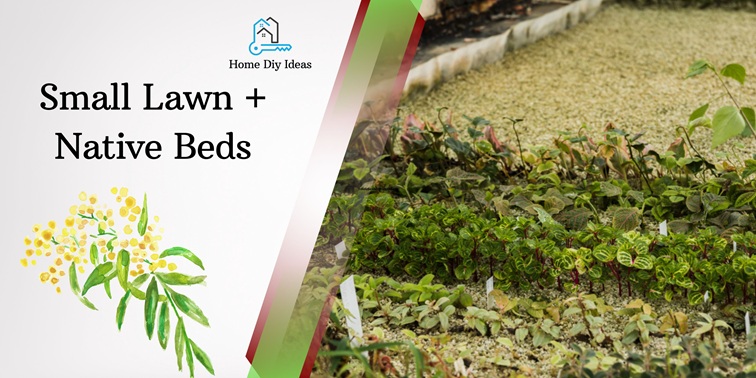
| Small Lawn + Native Beds | Low | 15–60 min | Families with pets, wildlife lovers | Habitat for pollinators, some soft play space | Still requires occasional mowing |
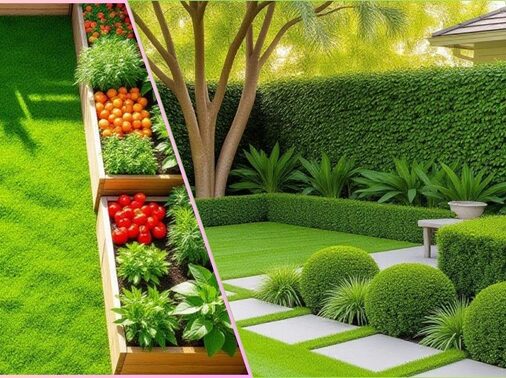
| Hardscape & Raised Planters | Medium-High | 10–30 min | Entertaining, urban patios, modern aesthetics | Minimal weeding, defines outdoor “rooms” | Higher installation cost, less green space |
| Xeriscape / Rock Garden | Low–Medium | 5–30 min | Dry climates, Southwest style, water conservation | Extremely water-wise, unique textures | Can get hot, requires good soil prep initially |
| Artificial Turf | High | 5–15 min | High-traffic play areas, small urban yards | Always green, no mowing or watering | High upfront cost, can retain heat, not natural |
| Tapestry or Meadow Lawn | Low–Medium | 15–45 min | Eco-conscious homeowners, cottage style | Beautiful, supports biodiversity, low water | Requires seasonal mowing/tidying |
*Costs are highly regional and vary based on materials and scope. Getting 2–3 local quotes is essential for accurate budgeting of any significant project.
Designing for Your Lifestyle
A truly low-maintenance yard should fit how you actually live, not force you to adapt to its demands. Before planning, ask yourself these key questions:
- Do you have kids or pets? Prioritize durable, soft-ground covers like microclover or a small section of quality artificial turf for play areas. Avoid delicate plants and sharp-edged gravel in these zones.
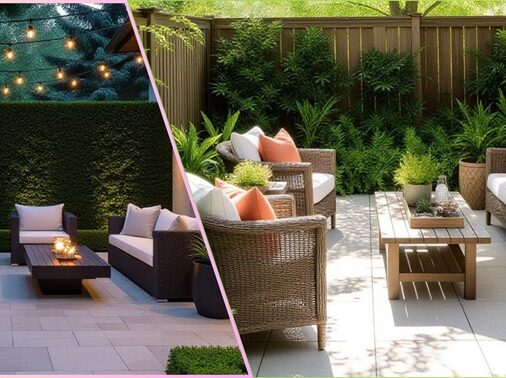
- Do you love to entertain? Focus on a well-defined patio space with easy-care container plants and ambient lighting. A built-in fire pit becomes a natural focal point that requires zero maintenance between gatherings.
- Are you a wildlife enthusiast? Lean into native plants, a meadowscaping area, and perhaps a simple water feature. This creates a dynamic, ever-changing garden that actively supports local ecosystems.
- Are you a frequent traveler? Automation and thorough mulching are non-negotiable. A smart irrigation system and robust groundcovers will keep your garden healthy while you’re away.
Top Plant Picks for a Self-Reliant Garden
Always verify suitability for your USDA Hardiness Zone. These are proven, low-fuss performers that I regularly specify for clients who want beauty without constant care. The USDA Plant Hardiness Zone Map is the definitive resource for understanding which plants will thrive in your specific climate.
Sun-Loving & Drought-Tolerant
- Perennials: Lavender (Lavandula), Russian Sage (Perovskia), Coneflower (Echinacea), Sedum ‘Autumn Joy’
- Ornamental Grasses: Blue Fescue (Festuca glauca), Feather Reed Grass (Calamagrostis), Mexican Feather Grass (Nassella tenuissima)
- Shrubs: Juniper, Rosemary, Manzanita (Arctostaphylos), Dwarf Butterfly Bush (Buddleia)
Shade-Tolerant & Easy-Care
- Groundcovers: Ajuga, Liriope, Pachysandra, Sweet Woodruff (Galium odoratum)
- Shrubs: Oakleaf Hydrangea, Japanese Plum Yew (Cephalotaxus), Leucothoe, Boxwood (for structured elegance)
Pollinator Magnets
These plants support bees and butterflies while being typically trouble-free, needing no chemical interventions to thrive. For more region-specific pollinator plant recommendations, the Xerces Society’s pollinator plant lists are an invaluable resource.
- Milkweed (Asclepias), Bee Balm (Monarda), Aster, Catmint (Nepeta)
Common Low-Maintenance Landscaping Mistakes to Avoid
- Skimping on Soil Prep: Investing in good soil compost at the beginning ensures plants establish strong roots and thrive with less help later. I can’t overstate how important this foundation is.
- Planting Too Small: Using tiny “plugs” in a large area invites weeds to move in. Use larger gallon-size plants or plant densely from the start to outcompete weeds naturally.
- Ignoring Mowing Stripes: A simple metal or stone edge between your lawn and beds makes mowing and edging a five-minute task instead of a thirty-minute chore every week.
- Fighting Nature: Trying to grow a thirsty plant in dry, sandy soil is a recipe for constant work. I always tell clients to work with their site’s natural conditions rather than against them.
Conclusion
Transforming your yard into a low-maintenance retreat isn’t about sacrificing beauty—it’s about cultivating smart, sustainable beauty that gives you more time to relax and enjoy the space you’ve created. By following the phased plan I’ve outlined, choosing the right plants for your specific zone, and embracing proactive strategies like proper mulching and hydrozoning, you can break free from the endless cycle of weekend yard work.