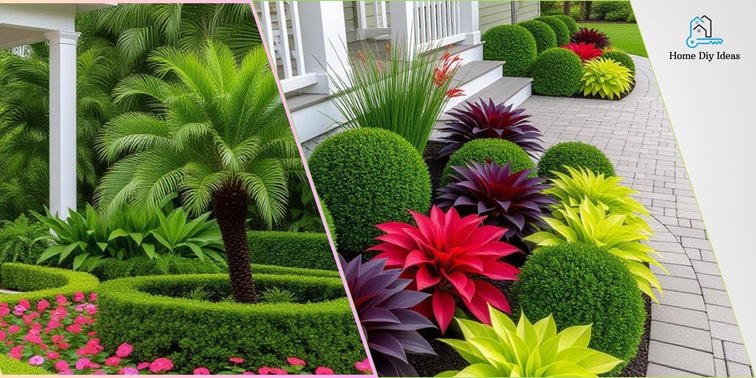

When I first decided to redesign my front yard, I had one goal: no high-maintenance plants. I wanted a landscape that looked lush and inviting, but didn’t demand hours of watering, pruning, or pampering every week. Through experience and a few lessons learned the hard way, I’ve built a list of low maintenance landscaping plants that truly thrive with minimal care.
In this guide, I’ll share practical insights from a landscaping expert’s perspective — plants that perform well, design strategies that make upkeep easier, and simple steps to create a landscape that looks professionally maintained all year round.
Principles for a Truly Low-Maintenance Landscape
1. Know Your Site (Sun, Soil, Drainage)
The easiest way to reduce maintenance is to plant smart.
- Track how sunlight hits your yard throughout the day.
- Identify dry vs. moist zones.
- Note wind exposure or reflective heat near walls.
Matching plants to these conditions is the single biggest key to long-term success.
2. Choose Native or Climate-Adapted Plants
Native and region-appropriate plants are built for your local weather. They need less water, fewer fertilizers, and rarely face pest issues — nature already trained them for your environment.
3. Design with Layers and Massing
Rather than mixing dozens of plant types, use groups of the same species.
- Layer heights: groundcovers → perennials → shrubs → trees
- Massing reduces weeding edges and creates visual unity
- Transition zones help soften lawn or pathway borders
4. Add Hardscape and Mulch Wisely
Incorporate rock, gravel, or pavers to minimize planting areas. Use organic mulch (2–3 inches deep) to retain moisture and prevent weeds.
5. Simplify Watering
Install drip irrigation or a soaker hose on timers. Group plants by water needs to prevent overwatering and waste.
The Best Low Maintenance Landscaping Plants
Here’s a well-balanced list of plants that perform beautifully with minimal attention.
Groundcovers & Grasses
| Plant | Ideal Conditions | Why It’s Low-Maintenance | Notes |
| Creeping Thyme | Full sun, well-drained soil | Drought-tolerant, aromatic, replaces grass | Avoid soggy soil |
| Sedum (Stonecrop) | Sun to partial shade | Stores water in leaves, little care needed | Great for slopes |
| Liriope (Lilyturf) | Partial shade to full sun | Handles foot traffic, low water needs | Trim in early spring |
| Juniper (Creeping types) | Full sun, poor soil | Evergreen cover, pest resistant | Can spread wide |
| Ajuga (Bugleweed) | Shade to partial sun | Quick spreader, dense coverage | Monitor in moist zones |
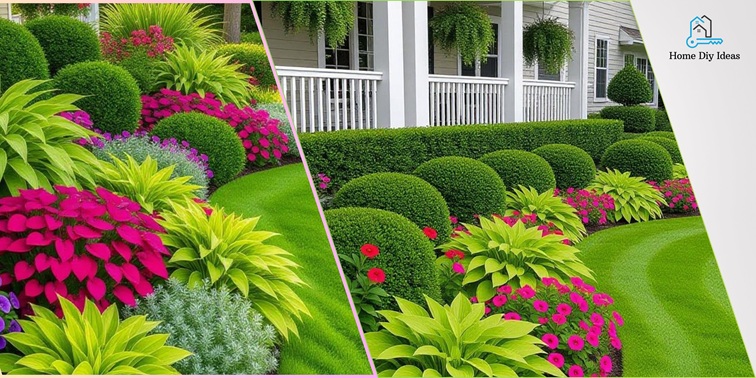
Flowering Perennials
| Plant | Sun Preference | Notable Qualities |
| Russian Sage | Full sun | Drought-hardy, airy blooms, no frequent pruning |
| Daylilies | Full to partial sun | Nearly indestructible, bloom repeatedly |
| Coneflower (Echinacea) | Full sun | Attracts pollinators, tolerates drought |
| Yarrow (Achillea) | Full sun | Pest and deer resistant |
| Hosta | Shade to part sun | Great foliage, minimal fertilizer needed |
Low-Maintenance Shrubs
| Shrub | Light Needs | Benefits |
| Spirea | Full sun | Easy to prune, long bloom period |
| Boxwood (Dwarf varieties) | Partial to full sun | Evergreen structure, tidy appearance |
| Beautyberry | Full sun | Vibrant berries, hardy in varied soils |
| Lonicera nitida | Sun to partial shade | Compact evergreen for hedging |
| Agave | Full sun | Minimal watering, sculptural form |
Low-Care Trees for Structure and Shade
| Tree | Key Traits | Maintenance Level |
| Crepe Myrtle | Long bloom period, colorful bark | Light pruning only |
| Eastern Redbud | Adaptable, graceful form | Occasional trimming |
| Native Oaks / Maples | Strong roots, long lifespan | Virtually self-sufficient once mature |
Step-by-Step: Designing a Low-Maintenance Front Yard
Step 1: Map Your Yard
- Sketch out driveways, pathways, and sun patterns.
- Identify dry spots, shaded corners, and irrigation reach.
Step 2: Group by Water Needs
- Place drought-hardy plants (sedum, sage) in sunny, dry zones.
- Use moderate-water species near foundations or shaded beds.
Step 3: Layer Plants by Height
- Front: Groundcovers like thyme or ajuga
- Middle: Perennials such as coneflower or yarrow
- Back: Shrubs or ornamental grasses for height and privacy
Step 4: Simplify Edges
Use stone or metal edging to define beds clearly — this reduces weeding and mowing time.
Step 5: Add Smart Irrigation
Install drip lines or low-flow emitters. Water deeply but infrequently for stronger root systems.
Step 6: Mulch Generously
Apply 2–3 inches of mulch each spring to suppress weeds and retain soil moisture.
Step 7: Minimal Yearly Care
- Prune shrubs once in late winter.
- Divide perennials every few years.
- Replace mulch and spot-weed as needed.
Quick Checklist for Easy-Care Landscaping
- Analyze sun, soil, and drainage
- Choose region-appropriate plants
- Use plant groupings (massing)
- Reduce planting area with hardscape
- Install drip irrigation
- Apply organic mulch
- Perform one annual prune
FAQs: Front Yard Low-Maintenance Landscaping
Yes — but only during establishment. Once mature, most need deep watering every 10–14 days or less.
Absolutely. Daylilies, coneflowers, and spirea offer bold seasonal color with minimal upkeep.
Use dense groundcovers and a thick mulch layer. Avoid bare soil wherever possible.
Once a year, or not at all if your soil is healthy. Overfertilizing leads to faster growth — and more pruning.
Sedum, juniper, yarrow, and agave are ideal choices for hot, dry climates.
Conclusion
Creating a low-maintenance landscape isn’t about neglect — it’s about smart design and plant choice. By understanding your site and selecting tough, climate-suited plants, you’ll enjoy a beautiful, thriving yard that asks for very little in return.
If you’re starting fresh, begin small. Choose three to five of these plants and build from there. Over time, you’ll develop a landscape that feels natural, inviting, and wonderfully easy to maintain — proof that less work really can mean more beauty.