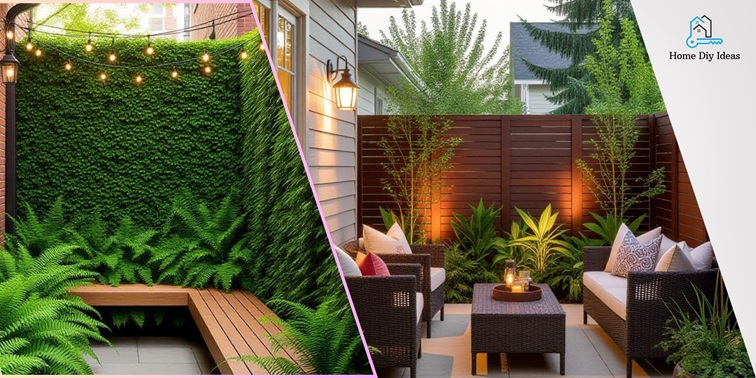

When I first walked past our narrow side yard, I saw wasted potential—just a 4- to 6-foot-wide strip along the house. Yet today, it’s one of my favorite garden spots. With the right design tricks, you can transform that skinny space into a secret garden, functional walkway, or restful retreat.
In this post, I’ll share side yard landscaping ideas that go beyond the basics—backed by real strategy, not fluff.
Before we dive into design ideas, here’s what a quick content gap analysis revealed about the top-ranking pages for this topic—and how this article fills those gaps.
Side Yard Landscaping Ideas (From Skinny to Spacious)
Let’s explore design strategies suited to every width—from ultra-slim to moderately wide spaces.
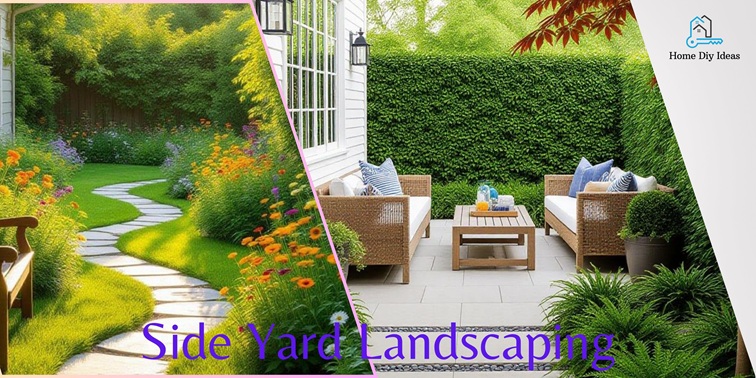
Planning Before Planting: Setting Yourself Up for Success
Step 1: Measure & Map It Out
- Draw a basic plan showing walls, doors, vents, and slope.
- Note utilities and existing drainage patterns.
Step 2: Track Sunlight
- Observe the yard in morning, noon, and evening.
- Identify sunny vs. shaded sections for better plant choices.
Step 3: Define Your Purpose
Ask:
- Do you need a walkway or storage corridor?
- Would a bench or garden nook fit?
- Is privacy your main goal?
Step 4: Choose a Style & Color Theme
- Modern: neutral colors, clean lines, ornamental grasses
- Cottage: bright flowers, rustic textures
- Xeriscape: drought-tolerant succulents
- Native Garden: pollinator-friendly species
Step 5: Create Depth and Flow
Avoid a “tunnel” effect by staggering elements, curving paths, or alternating textures and colors.
Design & Hardscape Strategies by Width
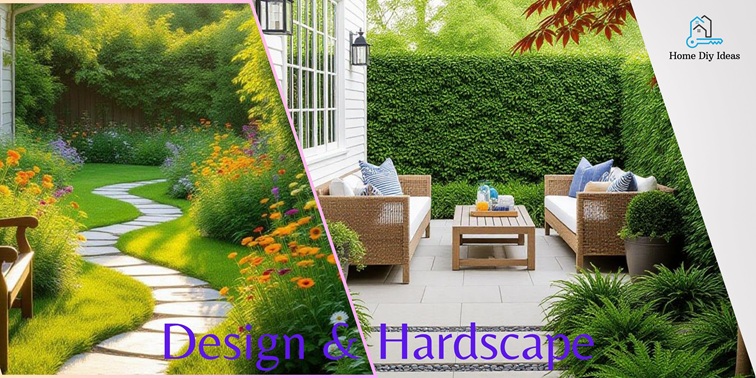
For Ultra-Narrow Side Yards (3–5 ft)
- Stepping-Stone Path: Use staggered pavers with greenery between.
- Wall-Mounted Planters: Maximize vertical space.
- Slim Trellises for Climbers: Add greenery without eating floor space.
- Light-Colored Paving: Reflects light, makes the space feel larger.
- Mirrors or Glossy Accents: Visually widen the area.
- Discreet Drainage: Use trench or channel drains under paths.
Pro Tip: Keep planting single-file along one side to maintain clear movement and balance.
For Medium-Narrow Side Yards (6–10 ft)
- Curved or Offset Pathways: Prevent “runway” straight lines.
- Raised Beds on One or Both Sides: Define the space and add visual structure.
- Layered Planting Heights: Mix tall shrubs, mid-level perennials, and groundcovers.
- Compact Seating Area: Add a bench or stool for charm and function.
- Soft Lighting: Use low path lights or gentle uplighting for atmosphere.
Planting Plans & Palettes
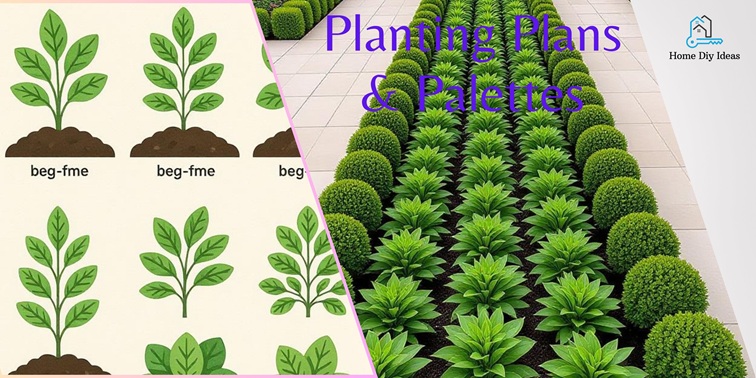
Here’s a quick-reference table for plant ideas based on sunlight and width:
| Light Condition | Narrow (3–5 ft) Palette | Medium (6–10 ft) Palette |
| Full Sun | Rosemary, Festuca grass, creeping thyme, sedum, lavender | Salvia, catmint, dwarf holly, blanket flower, euphorbia |
| Partial / Dappled | Hosta, Heuchera, Ajuga, ferns, lungwort | Astilbe, Japanese forest grass, Solomon’s seal, Tiarella |
| Deep Shade | Ferns, Lamium, Pachysandra, Epimedium | Toad lily, Hellebores, large hosta, dwarf maple |
Pre-Planting Checklist:
- Leave 6–12 inches between plants and walls.
- Improve soil with compost and organic matter.
- Use drip irrigation for precise watering.
- Apply mulch to conserve moisture and suppress weeds.
- Label plants for easy maintenance tracking.
Phased Build Roadmap (3-Year Plan)
| Phase | Focus | Tasks | Approximate Budget |
| 1 | Core Path & Drainage | Lay base, install walkways, handle slope correction | $500–$1,500 |
| 2 | Structure & Screening | Add trellises, fencing, or privacy hedges | $300–$800 |
| 3 | Softscape & Lighting | Plant main greenery, install lights, mulch | $400–$1,200 |
| 4 | Finishing Touches | Add décor, containers, seasonal plants | $200–$600 |
Why Phase It?
It lets you test plant performance, adapt to drainage issues, and refine layout before major investment.
Maintenance Tips for a Lasting Glow-Up
- Prioritize Drainage: Always slope away from the house.
- Use Open Fencing: Lattice or slatted screens feel airy.
- Zone Your Irrigation: Separate from main lawns for better control.
- Prune Regularly: Avoid overgrowth and blocked airflow.
- Go Native: Local plants adapt better and need less care.
- Add Lighting Last: Solar lights or LEDs work best in narrow runs.
- Maintain a 30-inch Path Minimum: Keeps it functional and accessible.
FAQ: Real Homeowner Concerns
Absolutely. Use vertical planters, climbers, and narrow perennials. Even a single line of greenery can redefine the space.
Install a shallow trench or French drain, slope the surface away from your wall, and use gravel to absorb runoff.
Opt for semi-open screens, slim columnar shrubs, or bamboo fencing to keep airflow and light intact.
Keep air gaps, avoid dense mulching close to siding, and trim plants regularly to prevent hidden damp zones.
Low path lights, wall uplighters, or LED strips under planters add ambiance without glare.
Conclusion
Your side yard doesn’t have to be forgotten space. With the right vision and a smart, step-by-step plan, you can transform even the slimmest outdoor area into a private oasis.
Whether you’re after a lush green corridor, a fragrant herb walkway, or a cozy reading nook, start small, build in phases, and let your creativity bloom.