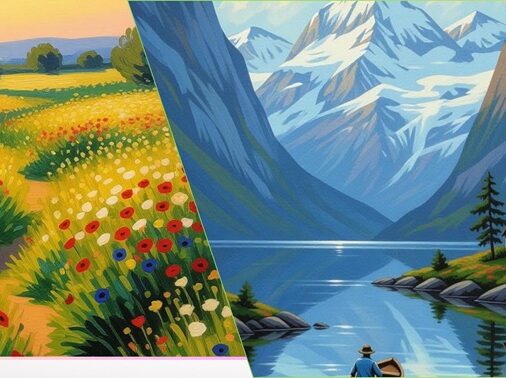
When I first set foot in Milford Sound on the South Island of New Zealand, I felt as if the earth itself had paused to take a deep breath. Towering granite cliffs plunged into inky waters, waterfalls cascaded without apology, and the raw energy of nature whispered in every gust of wind. Exploring how the New Zealand landscape manifests its grandeur taught me not only to appreciate nature’s artistry but also to translate its lessons into meaningful design.
In this article, we’ll explore some of New Zealand’s most awe-inspiring landscapes—and see how you can apply the same aesthetic, structure, and harmony to your landscaping projects. You’ll find actionable steps, checklists, and design insights—all grounded in expertise and experience.
Why the New Zealand Landscape Captivates
New Zealand’s natural beauty is a living classroom for design inspiration. Its landscapes showcase:
- Dramatic contrasts: volcanic craters beside lush rainforests, glaciers feeding rivers, beaches near cliffs.
- Immersive scale: vast valleys and fjords that redefine proportion.
- Rich textures and colors: electric greens, teal glacial waters, dark rock walls, and golden sands.
- Cultural respect for nature: Māori values emphasize harmony and stewardship—principles any designer can apply.
Top Natural Wonders to Explore
1. Milford Sound (Fiordland, South Island)
Why it stands out: Towering cliffs, reflective waters, and countless waterfalls make Milford Sound one of the world’s most dramatic fjords.
Landscaping inspiration:
- Add vertical elements like tall shrubs or sculptural trees to mimic cliff faces.
- Include water features such as fountains or ponds to echo cascading streams.
- Use reflective surfaces—dark stone or water glass—to mirror the fjord’s depth.
2. Tongariro National Park & Alpine Crossing
Why it stands out: A UNESCO World Heritage Site with volcanoes, emerald lakes, and rugged terrain—an embodiment of raw earth energy.
Landscaping inspiration:
- Use boulders and textured rocks to form geological-style accents.
- Contrast dark and light colors—black mulch with bright green plants.
- Create curved pathways or elevation changes for layered, mountain-like views.
3. Abel Tasman National Park
Why it stands out: Golden beaches, turquoise waters, and native forests create a balance of serenity and vibrancy.
Landscaping inspiration:
- Use soft, flowing bed lines that mirror coastlines.
- Pair native-style plants with open lawn areas to balance wild and calm.
- Choose natural materials like driftwood or sand-tone pavers.
4. Glaciers, Gorges & Rock Formations
Why they stand out: From turquoise glacial rivers to sculpted rock formations, these landscapes highlight the beauty of texture and time.
Landscaping inspiration:
- Include unique stone textures—ribbed rock, pebbles, or layered stone walls.
- Use cool-toned plants (silver, blue, or deep green) for contrast.
- Add micro-features like a boulder, mini pond, or sculptural planting for character.

Applying New Zealand Design Lessons to Your Landscaping
Step 1: Define Your Vision
- Decide your goal: relaxation space, show garden, or family area.
- Choose your preferred style: naturalistic or formal.
- Identify your maintenance level and sunlight exposure.
Step 2: Analyze Your Site
- Note existing trees, slopes, and drainage.
- Observe light patterns and focal views.
- Assess proportions—large plants can make small yards feel smaller.
Step 3: Design with Core Landscape Principles
| Principle | Application | Inspired by |
| Contrast | Mix large/small, light/dark elements | Milford Sound |
| Texture | Blend smooth and rough materials | Glacial rivers |
| Scale | Use hierarchy in plant height | Tongariro peaks |
| Color | Choose natural palettes with accents | Abel Tasman |
| Flow | Guide the eye with soft curves | Coastal tracks |
Step 4: Choose Materials & Plants
- Hardscape: stone pavers, gravel, or weathered timber.
- Plants: native species or drought-tolerant varieties.
- Water feature: even a small reflective pool adds tranquility.
- Lighting: uplight trees, highlight pathways, and create evening ambience.
Step 5: Implementation Checklist
- Prepare soil and grading.
- Install pathways and major structures first.
- Plant large trees/shrubs, then fill in smaller layers.
- Add mulch, edging, and decorative accents.
- Install lighting and test views at night.
Step 6: Maintain and Evolve
- Prune regularly for structure.
- Replace underperforming plants as needed.
- Adjust lighting for growth and season.
- Revisit your design yearly for refinements.
Front-Yard Landscaping Tips
- Match your home’s architecture for a cohesive look.
- Layer plant heights for depth and visual rhythm.
- Use native plants to save on water and upkeep.
- Create a clear focal point—a specimen tree or feature path.
- Consider nighttime lighting for safety and drama.
Quick Front-Yard Checklist
- Measure your space and sketch layout.
- Select 2–3 primary plants + accents.
- Choose stone, mulch, and hardscape materials.
- Define one main focal area.
- Add irrigation and plan maintenance.
- Take before-and-after photos to track progress.
Frequently Asked Questions About New zealand landscape
Keep only what you’ll use or can maintain. Replace excess turf with native grasses or low-water beds.
Opt for locally adapted native species. They handle local weather better and require less care.
Use minimal plant varieties, keep open areas, and stick to a limited color palette.
Reflect architectural lines and materials. A modern home suits clean geometry; a cottage thrives with curves and florals.
Start with pathways and one focal tree. Add beds and lighting gradually in phases.
Conclusion
The New Zealand landscape teaches us that great design is about balance—between boldness and calm, contrast and unity. By drawing inspiration from its fjords, volcanoes, and beaches, you can craft a yard that feels timeless and connected to nature.
Take a moment this week to step outside, observe your yard, and imagine what it could become. Begin with one small change—a new path, a feature plant, or a texture contrast—and watch your space transform into a natural wonder of its own.