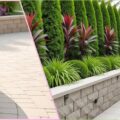
Red landscape stone is one of the boldest ways to bring instant drama, contrast, and depth to any outdoor space. Whether you’re highlighting pathways, defining garden beds, or creating eye-catching focal points, red stone adds warmth and personality that mulch or plain gravel can’t match. In this guide, I’ll walk you through expert ways to use red stone effectively—without overpowering your yard. You’ll find practical layouts, color-pairing tips, installation checklists, and maintenance advice that the top-ranking articles often overlook.
🌟 Why Choose Red Landscape Stone?
Red stone isn’t just decorative—it’s a statement. It symbolizes warmth, grounding, and richness. When used correctly, it transforms flat outdoor spaces into dynamic, visually striking environments.
Key Benefits:
- High Contrast: Pairs beautifully with green foliage and light stone.
- Low Maintenance: No fading like mulch; lasts for years.
- Weed-Resistant: Works with landscape fabric to block growth.
- Weather Durable: Ideal for hot and arid climates.
🎨 Best Color Combinations with Red Stone
| Red Stone Color Tone | Best Plant Pairings | Complementary Hardscape Colors |
| Brick Red | Boxwood, Juniper | Black, dark brown |
| Rust/Orange Red | Lavender, Yucca | Sandstone, tan |
| Deep Terra Cotta | Hostas, Ferns | Grey, cream |
Pro Tip: I love pairing deep red stone near evergreen shrubs—it creates year-round contrast with minimal effort.
🧭 Where to Use Red Stone in Landscaping
1️⃣ Garden Borders & Bed Edges
Red stone adds crisp separation between lawn and garden beds.
Steps:
- Outline bed shape.
- Lay landscape fabric.
- Fill 2–3 inches of red stone.
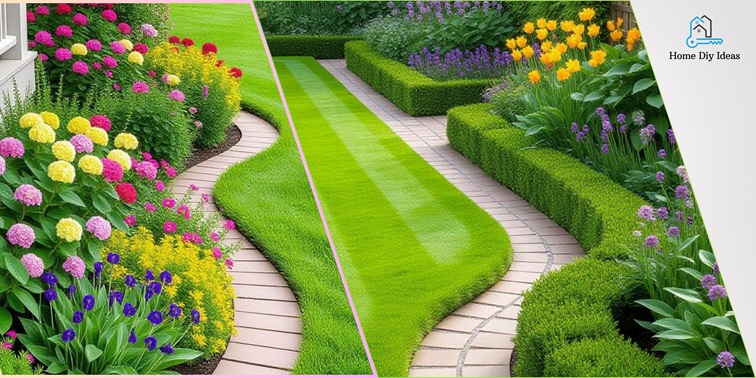
2️⃣ Walkways & Garden Paths
Create standout pathways that guide movement through your yard.
Best Styles:
- Rustic crushed red gravel
- Smooth round river red stones
- Stepping stone inlay with red chips
3️⃣ Accent Areas & Focal Points
Use around fire pits, water features, or sculptures to draw attention.
🛠️ How to Install Red Landscape Stone (Step-by-Step)
| Step | Action |
| 1 | Measure and mark installation area |
| 2 | Remove grass/old mulch |
| 3 | Lay down weed barrier fabric |
| 4 | Add stone (2–3 inch thickness) |
| 5 | Level with rake and compact for stability |
🌱 Plants That Look Amazing with Red Stone
Top Evergreen Pairings
- Boxwood
- Dwarf Alberta Spruce
- Juniper
Flowering Highlights
- Yellow Daylilies
- White Shasta Daisy
- Purple Lavender
Desert & Drought-Friendly
- Agave
- Yucca
- Red Hot Poker (Kniphofia)
⚠️ Common Mistakes to Avoid
❌ Using too thin a layer (leads to weeds)
❌ Placing directly on soil (causes sinking)
❌ Too much red in one space (overwhelming effect)
Pro Insight: I often mix red stone with neutral gravel zones to avoid visual fatigue.
🧹 Red Stone Maintenance Tips
| Task | Frequency |
| Rake debris/leaves | Monthly |
| Hose down stone | Seasonally |
| Check for weeds | Every 6–8 weeks |
| Top up stone depth | Every 2–3 years |
✅ Quick Checklist Before You Buy Red Stone
| ✅ Checklist Item |
| Match stone tone with home exterior |
| Calculate cubic yard coverage |
| Buy 5–10% extra for settling |
| Test with plant colors |
| Confirm drainage capability |
FAQ: Real Homeowner Questions
Not if balanced with greenery and neutral accents. Use it as an accent, not the main element.
Natural stone won’t fade, but painted/treated varieties can. Choose natural iron-rich red gravel for durability.
Yes, but avoid sharp crushed varieties in active play areas.
1 cubic yard covers about 100 sq. ft at 3 inches depth.
Yes—use red stone for high-traffic areas and mulch in plant beds for nutrition.
Conclusion
Red stone landscaping is a powerful way to transform your yard with richness, contrast, and long-lasting texture. Whether you’re outlining garden beds or designing a statement walkway, the key is balance. Start small, pair with greenery, and let this bold material elevate your outdoor space.