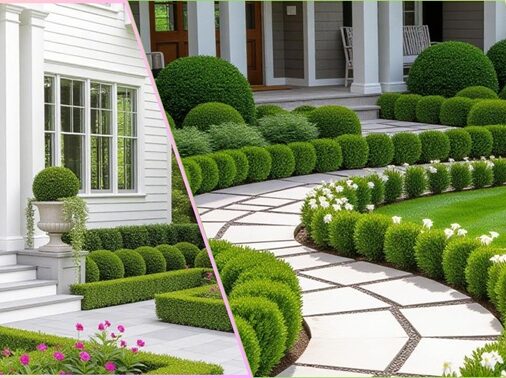
If you’ve been thinking about transforming your outdoor space, landscape retaining wall blocks can be the perfect blend of function and style. These sturdy, modular blocks don’t just hold soil—they shape your yard, add definition, and elevate the entire design.
When I first worked on my own backyard, I realized a small retaining wall could make all the difference—converting a sloped patch into a usable garden and a stunning focal point. Here’s what I learned, along with expert insights and homeowner tips to help you create your own stylish and durable retaining wall.
Why Landscape Retaining Wall Blocks Matter
Functional Benefits
- Stabilize soil and prevent erosion: Perfect for sloped yards or garden beds.
- Create usable flat areas: Turn a hill into a terrace, patio, or raised garden.
- Manage drainage: Properly built walls guide rainwater away from foundations.
- Boost property value: A well-built wall enhances both curb appeal and resale potential.
Aesthetic Benefits
- Variety of styles: From rustic stone to sleek modern concrete blocks.
- Space definition: Separate functional areas like gardens, patios, and pathways.
- Visual interest: Adds height and texture to otherwise flat landscapes.
- Lighting integration: Accent lights built into the wall can highlight pathways or plants at night.
When you treat a retaining wall as part of your yard’s design—not just a soil barrier—it becomes a true landscape feature.
Choosing the Right Retaining Wall Blocks
Before you buy, take a few minutes to evaluate your space. The right choice depends on height, soil, style, and budget.

Quick Selection Checklist
- □ Measure the wall height and slope angle
- □ Assess soil type and drainage conditions
- □ Choose block size, texture, and color
- □ Plan for base depth and reinforcement
- □ Decide between straight or curved design
- □ Check local codes or permits if needed
Comparison Table
| Block Type | Best For | Advantages | Considerations |
| Concrete Modular Blocks | DIY, simple slopes | Affordable, easy to find | Can look plain unless textured |
| Stone-Look Blocks | Decorative garden walls | Natural appeal, variety of tones | Slightly higher cost |
| Interlocking Blocks | Curved walls or tight spaces | Strong and easy alignment | Requires precise base leveling |
| Engineered Blocks | Tall or load-bearing walls | Extremely durable | Professional installation needed |
Pro Tip
When I built my own retaining wall, I chose interlocking concrete blocks with a stone texture. They were easy to install and looked natural against the garden backdrop—proving that durability doesn’t have to sacrifice beauty.
How to Build a Retaining Wall (Step-by-Step)
Even if you plan to hire a contractor, understanding the process helps you make better decisions.
Step 1: Plan the Layout
Mark the wall outline with stakes and string. Consider curves and terraces for added dimension.
Step 2: Excavate the Base
Dig below the ground line—usually about 4–6 inches for the gravel base plus the first block’s height.
Step 3: Add and Compact the Base
Lay crushed gravel, level it carefully, and compact it firmly. The base is the foundation of wall stability.
Step 4: Lay the First Course
Set your first row of blocks on the base. Ensure each block is level and aligned. This row determines the wall’s strength and straightness.
Step 5: Stack the Next Rows
Stagger the joints for strength. As you build higher, backfill with gravel behind the wall and compact each layer.
Step 6: Install Drainage
Add a perforated pipe behind the base row, surrounded by gravel, to carry water away.
Step 7: Cap and Finish
Top with cap blocks for a finished look. Seal joints if desired. Then clean the surface and check for levelness.
Landscaping and Styling Tips
Once your wall is built, enhance it with creative design choices.
Integrate with Nature
- Let trailing plants like creeping thyme or ivy soften the edges.
- Use contrasting mulch or decorative stone at the base.
- Create tiered gardens with flowers, herbs, or shrubs for layered beauty.
Add Functional Flair
- Build curved seating walls or planters for added purpose.
- Install LED strip or solar lights along the top for evening ambiance.
- Combine materials like wood, gravel, or pavers nearby for contrast.
Coordinate with Your Home
Choose block colors that complement your siding, roof, or patio surface. Warm beige and charcoal tones blend well with most modern homes.
Maintenance and Longevity
A retaining wall built right can last for decades. Keep it strong with these tips:
- Inspect yearly for shifting or settling.
- Keep drainage clear of debris.
- Clean with mild soap and water—avoid harsh pressure washing.
- Remove weeds or roots growing through joints.
- For freeze–thaw climates, use frost-rated blocks and maintain good drainage.
When to DIY and When to Call a Pro
DIY-Friendly Walls
- Under 4 feet tall
- Moderate slope
- Light load (garden soil, decorative beds)
Hire a Professional If
- Wall exceeds 4 feet or supports a driveway
- You have poor soil or high water table
- You’re unsure about engineering or drainage requirements
Even if you go pro, you can still save costs by doing prep work like layout and base excavation yourself.
FAQs About Landscape Retaining Wall Blocks
Most modular block walls up to 3–4 feet can be built DIY. Anything taller should be engineered for safety.
Yes. Proper drainage prevents pressure buildup and extends the wall’s lifespan.
Interlocking modular blocks—compact, attractive, and ideal for tight spaces or garden beds.
Absolutely. Use interlocking or tapered blocks to form smooth curves.
Quality concrete blocks can last 50+ years with proper drainage and maintenance.
Conclusion
A well-designed retaining wall does more than hold back soil—it creates new opportunities for your landscape to shine. Whether you want to flatten a slope, frame a garden, or craft a multi-level backyard, landscape retaining wall blocks offer durability, flexibility, and design freedom.
Start small, plan smart, and think of your wall as both structure and sculpture. With the right approach, your yard will not only function better—it will look amazing.