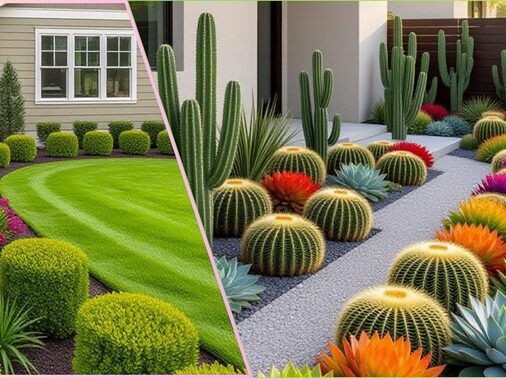
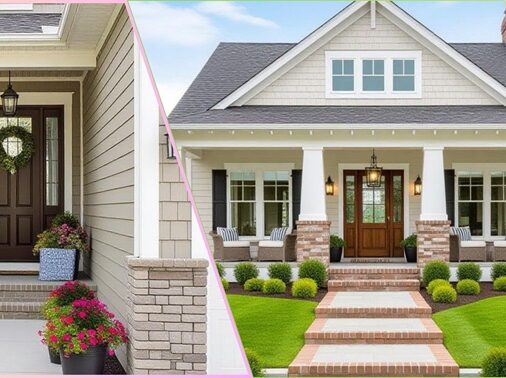
When I first looked at my own home’s narrow side yard, it felt like a forgotten passage — shaded, unused, and full of clutter. Over time, I turned that overlooked space into one of my favourite garden zones. In this guide, I’ll show you how you can do the same — turning a dull stretch of dirt into a beautiful and functional landscape feature.
Step-by-Step Framework for Side of House Landscaping
Here’s the process I use for every side yard project:
- Assess the space thoroughly
- Define functional zones
- Install hardscaping before plants
- Add utilities, lighting, and irrigation
- Select plants and plan layouts
- Implement in phases
- Maintain and adapt over time

1. Assess Your Space
Start with an honest evaluation before any design decisions.
- Measure the length and width of the area
- Note sunlight exposure throughout the day
- Identify drainage patterns — is water pooling anywhere?
- Locate utilities and obstructions (AC units, bins, vents)
- Test soil type — sandy, clay, or loamy?
- Observe temperature and wind variations
This will help you create a design that works with your conditions instead of fighting them.
2. Define Functional Zones
Even in a narrow side yard, zoning adds clarity and purpose. Consider these zones:
- Walkway or access path
- Planting beds or containers
- Privacy screen or trellis
- Utility area (bins, meters, compost)
- Focal point (bench, gate, or sculpture)
Sketch your layout roughly. Think about movement — where you want to walk, pause, and view. Curves, visual anchors, and slight shifts in texture can make a narrow space feel larger and more dynamic.
3. Hardscape Before You Plant
Always start with the bones — paths, edging, and surfaces — before introducing plants.
Tips for success:
- Use permeable materials like gravel, stepping stones, or porous pavers
- Maintain a slight slope away from your home for drainage
- Choose materials that complement your house exterior
- Install edging or borders to define planting areas
Once your paths and edges are set, everything else becomes easier to maintain and design around.
4. Add Utilities, Lighting, and Privacy
Functional layers make a side yard truly usable:
- Lighting: Path lights, wall lights, or soft uplighting for verticals
- Irrigation: Drip systems are best for narrow beds — efficient and precise
- Privacy: Use trellises, climbing vines, or tall ornamental grasses
- Utility hiding: Build small screens around bins or AC units
- Security: Keep sightlines clear near windows but ensure adequate light coverage
Small practical improvements here make your landscape not only beautiful but livable.
5. Choose the Right Plants
Since most side yards have microclimates (shade near walls, reflected heat from paving), plant selection is key.
Sun vs Shade
- Shade-tolerant plants: Ferns, hostas, liriope, and heuchera
- Sun-loving plants: Lavender, rosemary, dwarf grasses, and creeping thyme
Size & Form
Opt for narrow, upright, or columnar species rather than spreading shrubs.
Combine low groundcovers, mid-level perennials, and vertical accents for a layered look.
Example Plant Layout
| Position | Plant Type | Example | Purpose |
| Near fence | Climbing vine | Star jasmine, clematis | Adds height, softens hard lines |
| Mid-bed | Narrow shrubs | Dwarf hydrangea, boxwood | Structure and texture |
| Groundcover | Spreading plants | Ajuga, mondo grass | Fills gaps, prevents weeds |
| Focal area | Accent plant | Japanese maple, agave | Draws visual attention |
| Border | Edging plants | Lavender, thyme | Defines boundaries |
Add Year-Round Interest
Mix plants with seasonal variation — blooms in spring, texture in summer, color in fall, structure in winter.
6. Phase Your Project
Breaking your landscaping into manageable stages keeps it affordable and less stressful.
| Phase | Focus Area | Actions |
| 1 | Site Prep | Clean-up, grading, and drainage fixes |
| 2 | Hardscape | Lay paths, edging, and screens |
| 3 | Structural Planting | Trees and large shrubs |
| 4 | Fill-In Planting | Perennials, groundcovers |
| 5 | Finishing Touches | Lighting, décor, mulch |
| 6 | Maintenance | Seasonal upkeep and adjustments |
Work in phases and you’ll refine your plan as you live with it.
7. Maintain and Adapt
No garden is static. To keep your side yard thriving:
- Mulch yearly to conserve moisture
- Prune regularly to control size
- Inspect drainage after heavy rain
- Replace underperforming plants
- Refresh lighting or décor seasonally
Over time, small tweaks keep the design fresh and functional.
Practical Ideas to Inspire You
Here are some standout ways to transform a narrow or awkward side yard:
- Meandering stepping-stone path with lighting
- Vertical herb garden or trellised vegetables
- Small reading nook with bench and shade sail
- Water feature or wall-mounted fountain
- Artificial turf or low-maintenance gravel
- Decorative gate or garden arch as a focal point
- Privacy screens covered with vines
- Utility zone hidden behind lattice
- Narrow garden with repeating plant rhythm for unity
Each idea can be scaled up or down based on your space and budget.
Tips & Best Practices
- Leave at least 6–12 inches between plants and your house wall for airflow
- Install drip irrigation — sprinklers can damage siding
- Avoid overplanting; small spaces benefit from simplicity
- Use mulch generously to prevent weeds and conserve moisture
- Choose native or drought-tolerant plants for low maintenance
- Always test water flow after heavy rain to prevent pooling
FAQs About Side of House Landscaping
Even a 3-foot width can fit a walkway and slim garden beds. Anything wider than 5 feet allows seating or focal elements
Not if chosen wisely. Avoid aggressive roots and maintain spacing from walls to prevent moisture issues.
Spring or fall — both allow plants to establish roots in moderate temperatures.
Use shade-loving plants like hosta, ferns, and liriope, and consider adding light-colored foliage to brighten dark zones.
Not always. You can DIY most side yard projects, but hire professionals for drainage correction, lighting, or structural work.
Conclusion
Your side yard doesn’t have to be a forgotten strip. With thoughtful planning, layering, and a balance of beauty and practicality, you can turn it into one of the most charming parts of your home.