Welcome to my spring-backyard refresh guide — because when the season shifts and the first crocus peek through, our outdoor spaces deserve as much rejuvenation as our indoor ones. I’ve spent many weekends with gloves, garden boots, and a trowel experimenting with designs, and now I’ll walk you through ideas you can implement this season to bring your backyard alive—plant by plant, design element by design element—with clarity, freshness, and intention.
Why Spring Is the Ideal Time for a Backyard Reset
Spring offers a unique window for renewal — soil warms, daylight increases, and your landscape awakens from dormancy. Here’s why it’s the perfect moment:
- The soil is easy to work with and ideal for planting.
- Early blooms attract pollinators and set the tone for the season.
- Hardscape projects completed now allow plants to grow around them naturally.
- Early preparation prevents mid-summer stress when heat and maintenance demands rise.
From experience, I’ve learned that starting early makes all the difference — your plants establish roots faster, and your design feels intentional rather than rushed.
Step-By-Step Spring Backyard Landscaping Workflow
1. Site Audit & Planning
- Walk the space: note sun vs. shade, soil type, drainage, and slope.
- Measure dimensions for patios, beds, or fences.
- Define zones: lounging, garden, pathway, play, or dining areas.
- Sketch a rough plan, even by hand, marking how light shifts during the day.
- Clarify your goals — color display, relaxation area, or edible garden.
2. Hardscape Foundation
Start with the “bones” of your landscape before planting:
- Install patios, walkways, retaining walls, or garden edging.
- Lay drip irrigation systems or soaker hoses now for easy setup.
- Add mulch or gravel for structure and definition.
- Plan path lighting for nighttime ambience.
When you build structure first, plants later accentuate those features naturally.
3. Soil & Bed Preparation
Healthy soil equals healthy plants:
- Remove weeds and debris.
- Loosen and aerate the soil to improve root growth.
- Mix in compost or organic fertilizer.
- Apply a 2–3 inch mulch layer for moisture retention and weed control.
- Adjust soil pH if needed and test fertility before planting.
4. Plant-Palette & Bloom Timing
Choose plants that ensure continuous color through the season.
| Plant Type | Early Spring Bloom | Mid-to-Late Spring Follow-Up | Notes |
| Bulbs | Tulips, Daffodils | Replace with annuals later | Instant color for early appeal |
| Perennials | Bleeding Heart, Hellebore | Coneflower, Salvia | Long-term low-maintenance value |
| Shrubs | Forsythia, Cherry Blossom | Hydrangeas, Rhododendrons | Adds form and structure |
| Pollinator Plants | Crocus, Daisies | Lavender, Echinacea | Encourages biodiversity |
| Groundcovers | Creeping Phlox | Sedum, Thyme | Great for slopes or edging |
Planting in layers — from bulbs to perennials — ensures blooms rotate through the season.
5. Softscape Design Details
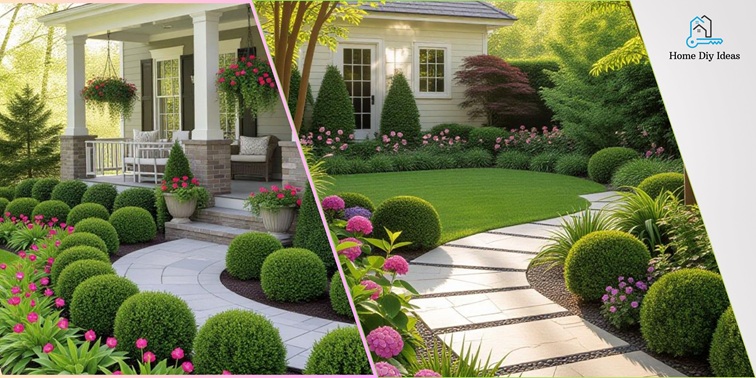
- Group plants in odd numbers for visual rhythm.
- Layer by height: tall shrubs in back, mid-height perennials in middle, and groundcovers in front.
- Use “thrill, fill, spill” combinations for containers.
- Incorporate trellises or pergolas for vertical interest.
- Mix foliage textures for depth and contrast.
6. Seasonal Maintenance & Care
- Water deeply and consistently while plants establish.
- Deadhead flowers to encourage repeat blooms.
- Fertilize lightly mid-spring for sustained growth.
- Check for early pests and prune damaged stems.
- Refresh mulch as needed for a clean, cohesive look.
Unique Ideas for a Fresh Start
Edimentals – Plants with Dual Purpose
Use edible ornamentals like herbs, berry bushes, or flowering greens. They beautify your space while offering fresh harvests.
Naturalistic Planting for Low Maintenance
Blend native flowers, ornamental grasses, and shrubs for a layered, natural look that thrives with less intervention.
Outdoor “Rooms” That Evolve with the Season
Design zones for different activities: a breakfast patio, a garden path, a reading nook under flowering trees. Movable containers let your space adapt as plants grow.
Actionable Spring Landscaping Checklist
Use this to stay organized through your project:
- Assess sunlight, shade, and soil conditions
- Sketch your layout and mark functional zones
- Install hardscape elements
- Amend soil and lay fresh mulch
- Choose a spring-to-summer plant palette
- Plant bulbs, perennials, and shrubs
- Set up irrigation or drip lines
- Add vertical features (trellis, arbor)
- Include pollinator-friendly species
- Water and maintain weekly
- Re-evaluate growth after 6–8 weeks
FAQ – Common Homeowner Questions
Focus on one focal area, like a small garden bed or patio corner. Use containers or raised planters for impact without full redesign.
Yes. Amend with compost or organic matter to loosen clay soil. Choose hardy shrubs and perennials that tolerate moisture until it improves.
Early bulbs bloom within weeks, while shrubs and perennials fill out in one to two months. Start early in spring for visible transformation by May.
Opt for native plants, add mulch, and install drip irrigation. Group plants with similar watering needs to simplify care.
Combine evergreen structure with seasonal flowers. Hardscape features — patios, lighting, and edging — keep the yard appealing beyond spring.
Conclusion
Spring is your chance to create a fresh start — a season of growth, color, and renewed outdoor energy. By following this simple yet structured plan — from site audit to planting — you’ll achieve a balanced landscape that’s both beautiful and sustainable.
Take your first step today: walk through your yard, note what inspires you, and pick one corner to begin transforming. Each small change — a bed of tulips, a clean path, a new seating area — adds up to a backyard that truly blooms with life.