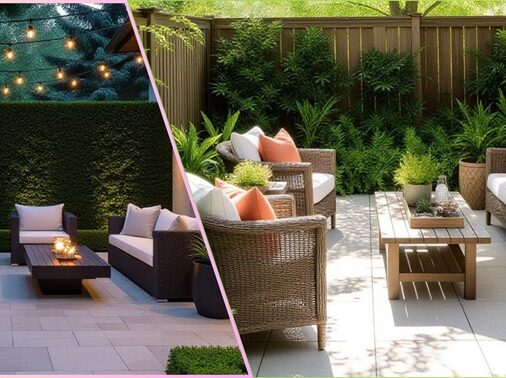
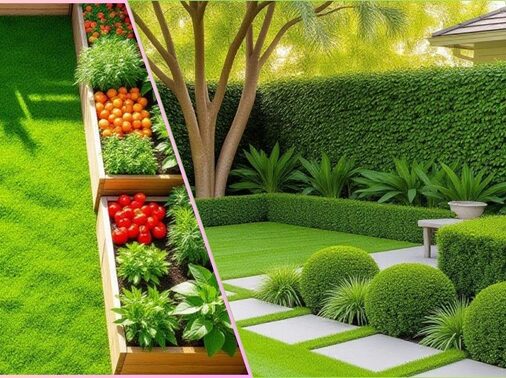
When I first started experimenting with stone landscaping, I quickly realized something: nothing elevates a yard quite like natural rock. Stones bring structure, elegance, and texture — all while blending effortlessly with plants, water, and pathways. Whether you’re designing a serene retreat or a statement front yard, natural rock features can make your landscape look both timeless and low-maintenance.
In this guide, I’ll walk you through expert-approved stone landscaping ideas for front yards, highlight practical DIY tips, and share how to design a cohesive look that feels both natural and refined.
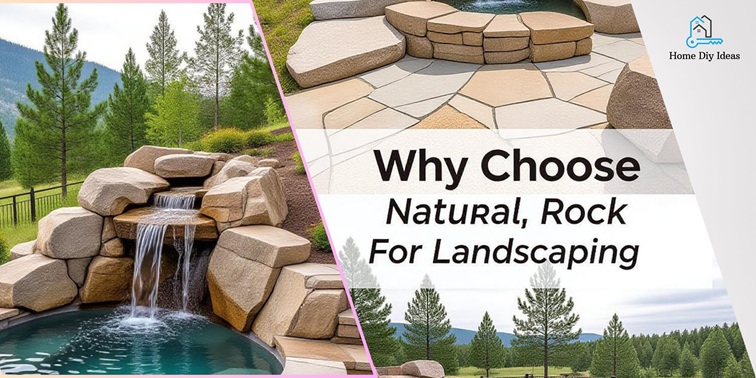
Why Choose Natural Rock for Landscaping?
Natural stone isn’t just a design trend — it’s a landscaping essential. It adds permanence, texture, and contrast in ways few materials can.
Here’s why professionals love stone landscaping:
- Durability: Rocks withstand weather extremes better than mulch or wood.
- Low Maintenance: No need for replacement or reapplication every season.
- Eco-Friendly: Stones help with soil retention and erosion control.
- Visual Appeal: Rocks add dimension, shadow, and character.
- Versatility: Perfect for modern, rustic, desert, or coastal gardens.
Design Principles for Rock Landscaping
Before you start hauling stones, think design first.
Natural rock features should complement your home’s architecture and the natural flow of your yard.
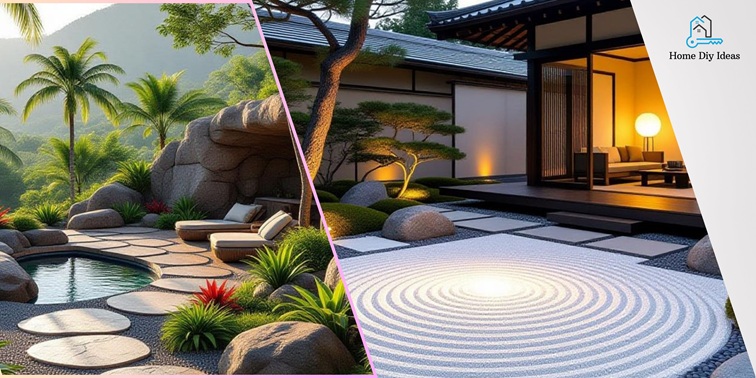
1. Balance Texture and Scale
- Use large boulders as anchor points.
- Surround them with smaller rocks or river pebbles for contrast.
- Always arrange stones in odd-numbered groups (3, 5, 7) for a natural aesthetic.
2. Think About Flow and Function
Rocks should guide movement — not obstruct it.
- Use flat stones to form stepping paths or retaining borders.
- Add curved lines instead of straight ones to mimic nature.
3. Complement with the Right Plants
Pair stones with plants that thrive in rocky conditions:
- Succulents – Agave, Sedum, and Echeveria
- Groundcovers – Creeping Thyme, Blue Star Creeper
- Grasses – Fountain Grass, Blue Fescue
Top Stone Landscaping Ideas for Front Yards
Here are some practical and visually stunning ideas to try — each tested and favored by landscaping pros.
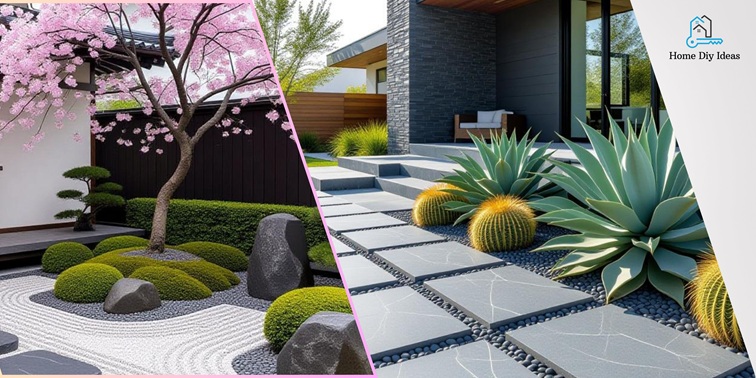
1. Rock Garden Oasis
A rock garden is a beautiful mix of rugged stone and resilient plants.
How to create it:
- Choose a sunny, sloped spot for good drainage.
- Layer gravel beneath the topsoil.
- Place stones asymmetrically — no perfect rows!
- Fill gaps with low-growing perennials and succulents.
2. Stone Edging for Driveways and Paths
Natural stone edging defines boundaries and prevents mulch or soil washout.
Pro Tip: Use limestone or granite for durability and timeless appeal.
3. Dry Creek Bed for Drainage
Dry creek beds are both decorative and functional — channeling rainwater away while adding movement and texture.
Materials you’ll need: river rock, gravel, boulders, landscape fabric.
| Step | Task | Tip |
| 1 | Dig a shallow trench | Add curves for a more natural look |
| 2 | Line with fabric | Prevent weed growth |
| 3 | Add rocks in layers | Use large stones on edges, pebbles inside |
4. Boulder Accents
Nothing says “natural landscape” like strategic boulder placement.
Use boulders as focal points at entryways or slopes.
Keep in mind: bury one-third of each boulder for a natural, “settled” appearance.
5. Stone Steps and Pathways
Turn your yard into a walkable retreat with flagstone steps or slate walkways.
- Ensure even spacing for safe footing.
- Use crushed gravel beneath stones to improve stability.
6. Rock Mulch for Modern Minimalism
For a clean, water-wise look, replace traditional mulch with decorative rock.
- Use lava rock or crushed granite for modern homes.
- For warmer tones, choose river pebbles or tan sandstone chips.
Climate-Specific Stone Choices
| Region | Best Stone Type | Why It Works |
| Southwest | Sandstone, lava rock | Withstands heat, suits desert plants |
| Northeast | Granite, slate | Handles freeze-thaw cycles |
| Coastal | Coral rock, limestone | Salt-resistant and bright-toned |
| Midwest | Fieldstone, river rock | Abundant and visually rustic |
DIY Checklist: Starting Your Stone Landscaping Project
✔ Choose your focal point (boulder, path, water feature)
✔ Measure and mark boundaries before digging
✔ Select stones that match your home’s color palette
✔ Prepare a base layer with gravel or sand
✔ Arrange larger stones first, fill gaps last
✔ Add drought-tolerant plants for texture
✔ Install landscape lighting for night drama
Common Mistakes to Avoid
- Overcrowding stones: Leave breathing space for visual balance.
- Ignoring drainage: Poor placement can lead to puddling.
- Using too many stone types: Stick to 1–2 varieties for harmony.
- Skipping the base layer: Stones may sink or shift over time.
Frequently Asked Questions
Use larger rocks for focal areas and smaller stones for borders or fillers. Scale should match the yard’s proportions.
Yes — but use restraint. Limit yourself to two complementary shades to maintain a cohesive look.
Lay down a high-quality landscape fabric before adding rocks. Top with a few inches of gravel to block sunlight.
Absolutely. Smooth pebbles and flat stones are ideal for pathways where pets roam.
It depends on size and stone type — but front yard projects typically range from $1,000 to $5,000 for professional installation.
Conclusion
Natural stone landscaping is the ultimate blend of art and endurance. It doesn’t just decorate your front yard — it anchors it. Whether you prefer minimalist lines, a rustic garden, or a dramatic rock waterfall, the right stonework creates a landscape that lasts for decades.