
Creating a beautiful pool area is about more than just crystal-clear water — it’s about the atmosphere you build around it. The right stone landscaping around your pool can completely transform your backyard into a resort-like retreat that feels luxurious, natural, and timeless.
In this guide, I’ll share expert insights, design ideas, and practical landscaping tips based on years of experience working with outdoor spaces. You’ll also see what the top-ranking guides don’t tell you — including how to balance beauty, functionality, and long-term maintenance.
Why Stone Landscaping Works So Well Around Pools
Stone landscaping provides:
- Natural beauty that complements water and greenery.
- Durability — resistant to heat, moisture, and wear.
- Low maintenance compared to wood or composite decking.
- Custom aesthetics — from modern to tropical, rustic to minimalist.
In my experience, using the right combination of stone textures and tones creates a seamless connection between your pool and the rest of your outdoor space — much like a resort courtyard.
Best Stones for Pool Landscaping
Not all stones are created equal. Here’s a breakdown of the most popular (and practical) options:
| Stone Type | Appearance | Benefits | Ideal For |
| Travertine | Creamy, warm tones | Stays cool underfoot, non-slip, elegant | Mediterranean or luxury resort look |
| Limestone | Soft gray to beige | Smooth finish, timeless style | Modern minimalist designs |
| Slate | Dark and rich hues | Textured, durable, water-resistant | Natural or rustic aesthetics |
| Granite | Speckled and glossy | Extremely tough, low maintenance | High-traffic or contemporary pools |
| Sandstone | Earthy and natural | Affordable, warm texture | Casual backyard designs |
Pro Tip: Seal your stones annually to protect against chlorine and mineral stains — especially if your pool uses saltwater.
Design Ideas for a Resort-Style Pool Landscape
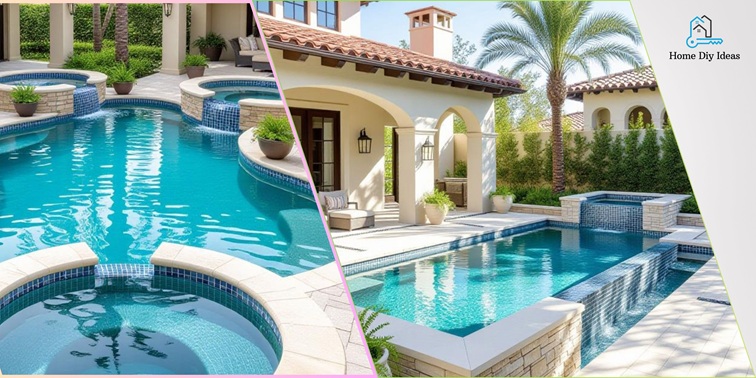
1. Infinity Edge with Travertine
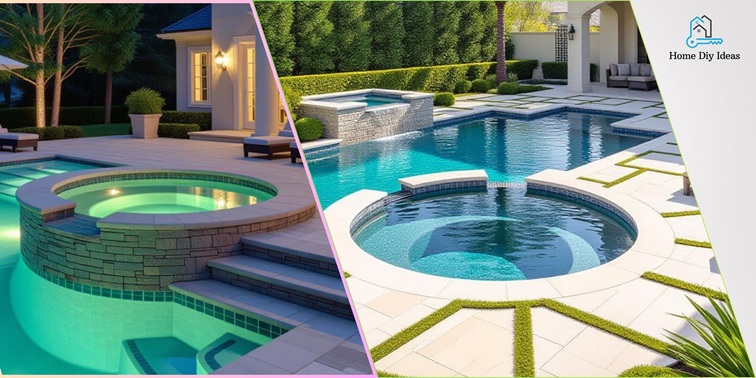
Combine creamy travertine with glass mosaic waterlines for a luxury resort ambiance. Add uplighting under coping stones for nighttime drama.
2. Flagstone Pathways
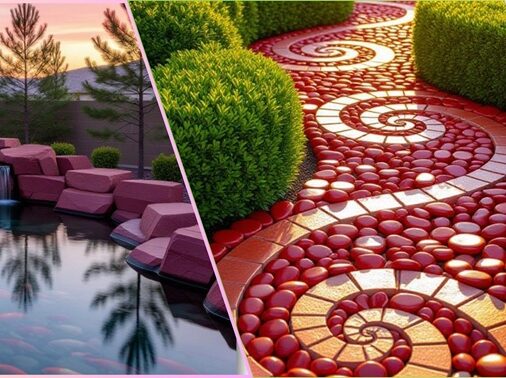
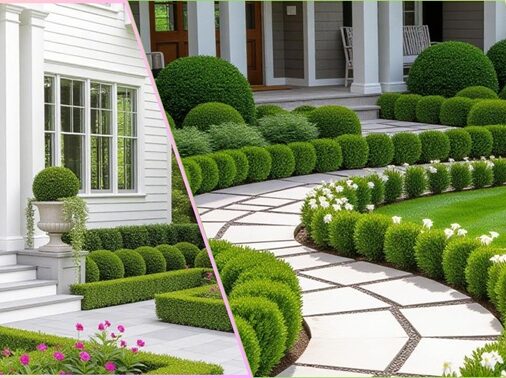
Natural flagstone stepping paths that lead to lounge areas or a pergola give your pool area a soft, organic flow.
3. Boulder Accents and Waterfalls
Large stones around the perimeter paired with cascading water features mimic natural springs — perfect for lush, tropical designs.
4. Mixed Textures
Blend smooth coping stones with rough-edged stone walls for contrast. This adds depth and visual intrigue without overwhelming the space.
5. Poolside Fire Pit Zone
Extend your stone pool deck to include a circular fire pit or built-in seating area for year-round enjoyment.
Step-by-Step Guide: Planning Your Stone Pool Landscape
- Assess Your Space
- Measure the pool area and note slopes or drainage points.
- Identify sun exposure and shade zones.
- Choose Your Stone Palette
- Pick two to three complementary tones for a cohesive look.
- Avoid overly dark stones in hot climates (they retain heat).
- Plan Drainage and Grading
- Ensure water runs away from the pool edge.
- Use gravel or permeable base layers for stability.
- Design Walkways and Borders
- Define zones with curved or straight stone lines.
- Use edging stones to prevent grass invasion.
- Add Greenery and Lighting
- Integrate low-maintenance plants like agave, lavender, or ornamental grasses.
- Use LED uplights or path lights to highlight textures and safety areas.
- Seal and Maintain
- Clean surfaces regularly.
- Reapply sealant every 12–18 months for lasting beauty.
Expert Tips for Longevity and Safety
- Choose non-slip finishes for coping and deck stones.
- Avoid porous stones near saltwater pools — they degrade faster.
- Match grout colors with stone tones for a seamless finish.
- Test stones when wet to check traction before installation.
Eco-Friendly Considerations
Sustainable pool landscaping is gaining traction. Here’s how you can make yours greener:
- Use locally sourced stone to reduce transportation emissions.
- Install permeable pavers for better groundwater recharge.
- Add native plants that thrive without excessive watering.
Maintenance Checklist
| Task | Frequency | Notes |
| Sweep and rinse stones | Weekly | Prevent dirt buildup and slipping |
| Inspect joints and grout | Quarterly | Refill if cracking or shifting occurs |
| Seal surfaces | Every 12–18 months | Especially for limestone and travertine |
| Pressure wash | Annually | Use gentle setting to preserve finish |
Frequently Asked Questions
Travertine and limestone are top choices because they stay cool, resist slipping, and maintain a high-end look.
Yes, but choose denser stones like granite or sealed slate to prevent salt corrosion.
Opt for honed or textured finishes and keep the area clean of algae and debris.
Properly sealed stones can last 20–30 years with minimal upkeep.
Succulents, ornamental grasses, and tropical ferns complement stone textures beautifully while staying low-maintenance.
Conclusion
Stone landscaping around pools is more than an aesthetic choice — it’s an investment in luxury, comfort, and durability. By selecting the right materials, planning with intention, and maintaining regularly, you can turn your pool area into a year-round escape that rivals any five-star resort.