Creating a beautiful outdoor space during summer isn’t just about adding plants or furniture—it’s about designing a sanctuary where you can unwind, entertain, and reconnect with nature. As someone who loves spending warm evenings outdoors, I’ve learned that thoughtful summer landscape design can completely transform a yard into a personal retreat.
Why Summer Landscape Design Matters
Summer brings life to your garden—but also heat, drought stress, and heavy outdoor use. A well-planned summer landscape design balances:
- Aesthetics (color, texture, balance)
- Function (shade, seating, privacy)
- Sustainability (drought-tolerant plants, efficient irrigation)
- Lifestyle (spaces for dining, play, or relaxation)
Whether you have a cozy patio or an expansive lawn, the right design helps you enjoy the season without constant upkeep.
Step-by-Step Guide to Designing a Summer Landscape
1. Assess Your Outdoor Space
Before designing, take a walk around your property and note:
- Sun exposure: Identify full-sun and partial-shade areas.
- Soil quality: Check drainage and texture.
- Existing features: Retain mature trees for natural shade.
✅ Pro Tip: Use a simple sketch or garden planning app to mark seating, pathways, and planting zones.
2. Choose a Cohesive Summer Theme
Summer designs thrive on harmony. Pick a style that reflects your home and personality.
| Style | Key Features | Best For |
| Coastal Retreat | White gravel, driftwood accents, blue-green foliage | Beachside or light-colored homes |
| Tropical Paradise | Lush palms, ferns, colorful flowers | Warm, humid regions |
| Modern Minimalist | Geometric hardscapes, sleek planters, neutral tones | Urban or contemporary homes |
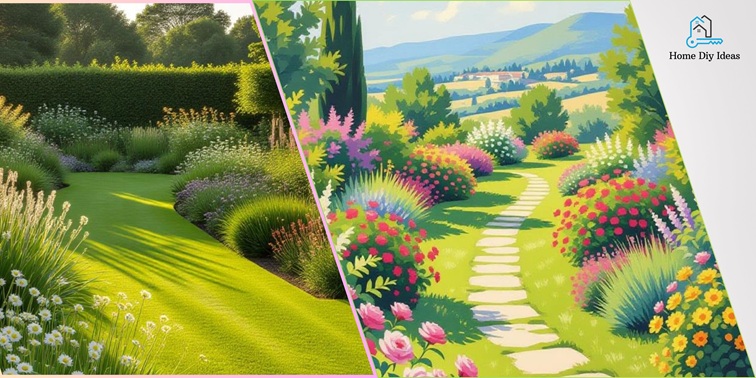
| Cottage Garden | Vibrant perennials, curved paths, rustic décor | Country or traditional homes |
3. Incorporate Cooling and Comfort Elements
Summer comfort is about shade, airflow, and softness.
Ideas to Try:
- Install pergolas or shade sails for covered lounging areas.
- Add outdoor fans or misting systems to keep air cool.
- Use light-colored stone or gravel to reflect heat.
- Include soft outdoor rugs and cushions in weatherproof fabrics.
4. Pick Drought-Tolerant, Colorful Plants
Balance bright summer hues with easy-care plants that thrive in the heat.
Top Summer Plant Picks by Zone:
| USDA Zone | Recommended Plants | Watering Needs |
| 3–5 | Coneflowers, Daylilies, Hostas | Moderate |
| 6–8 | Lavender, Russian Sage, Black-eyed Susan | Low |
| 9–11 | Bougainvillea, Lantana, Hibiscus | Low to Moderate |
✅ Maintenance Tip: Group plants with similar water needs to improve efficiency and reduce stress.
5. Light Up Summer Nights
Evening ambiance completes your summer retreat.
Outdoor Lighting Ideas:
- String lights along pergolas or fences for a festive touch.
- Solar path lights to illuminate walkways.
- Lanterns or LED candles for cozy, intimate corners.
💡 Bonus Tip: Use low-voltage lighting kits for safe, energy-efficient installation.
6. Add Water and Fire Features
Balance cool and warm elements for sensory appeal:
- A fountain or small pond adds movement and serenity.
- A fire pit or tabletop fireplace creates a gathering spot for cool evenings.
- Combine both for a perfect day-to-night transition zone.
Practical Maintenance Checklist
| Task | Frequency | Quick Tip |
| Water deeply early morning | 2–3 times/week | Prevents evaporation loss |
| Prune flowering plants | Every 2–3 weeks | Promotes new blooms |
| Clean outdoor furniture | Weekly | Use mild soap & water |
| Refresh mulch | Monthly | Helps retain soil moisture |
| Inspect irrigation system | Start & end of season | Fix leaks promptly |
Expert Tips for Effortless Summer Landscaping
- Use native plants – they handle local climate better and attract pollinators.
- Mix textures – combine grasses, stone, and wood for layered beauty.
- Plan flexible zones – movable furniture lets you adapt to sun and shade.
- Create focal points – use a statement tree, sculpture, or water feature.
- Sustainability first – consider rain barrels or drip irrigation to conserve water.
How to Make Outdoor Living Spaces Feel Relaxed
To design an outdoor area that feels like a true extension of your home:
- Define cozy zones – reading nook, grill area, or hammock corner.
- Blend indoor-outdoor color palettes for seamless flow.
- Use soft lighting—think string lights and lanterns instead of harsh floodlights.
- Incorporate natural materials—rattan, teak, stone, and jute.
- Add personal touches—throw pillows, candles, or even outdoor art.
FAQ: Summer Landscape Design
Choose drought-tolerant plants, add mulch, and install an automated drip irrigation system.
Early morning—before 9 a.m.—to reduce evaporation and fungal issues.
Mow high, water deeply twice a week, and fertilize with slow-release nutrients.
Absolutely—use container gardens, DIY gravel paths, and repurposed outdoor furniture for cost-effective beauty.
Bright yellows, purples, and blues paired with green foliage create a vibrant yet refreshing contrast.
Conclusion
Summer landscaping isn’t just about beautifying your yard—it’s about creating moments. Whether it’s coffee on a shaded patio or laughter around a fire pit, your landscape should make outdoor living effortless and joyful.