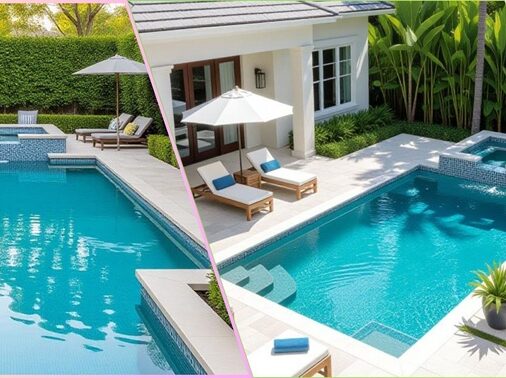
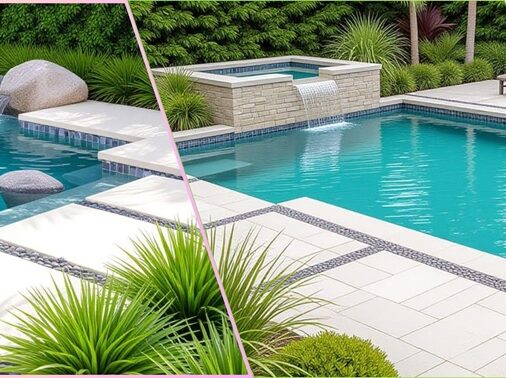
There’s something undeniably captivating about the sound of flowing water. As a landscape designer, I’ve seen how even a small backyard waterfall can completely change the atmosphere—bringing peace, movement, and a natural focal point that turns ordinary spaces into extraordinary sanctuaries.
In this guide, I’ll walk you through expert-level backyard waterfall landscaping ideas—from design planning and material selection to practical building tips and maintenance essentials—based on what truly works for homeowners and outdoor professionals alike.
Why Waterfall Landscaping Elevates Any Backyard
A well-designed waterfall is more than just a water feature—it’s a dynamic experience that engages sight, sound, and emotion. It can:
- Soften harsh hardscapes with organic movement and texture.
- Mask unwanted noise (like traffic or neighbors) with soothing white noise.
- Boost curb appeal and property value.
- Create a personal retreat that feels like nature’s spa, right at home.
Competitor analysis shows most articles focus only on aesthetics. But to create a true backyard oasis, your waterfall must balance design, ecology, and functionality. Let’s explore how to achieve that.
Planning Your Backyard Waterfall: Design Foundations
1. Identify Your Landscape’s Natural Flow
Before diving into design, study your site’s slope, sunlight, and drainage. The best waterfalls look as if they’ve always been there.
Pro Tip:
If your yard is flat, build a gentle mound with compacted soil or stone to create the necessary elevation for water movement.
2. Choose the Right Waterfall Type
| Type | Best For | Design Style | Maintenance Level |
| Pondless Waterfall | Small yards | Modern, minimalist | Low |
| Pond Waterfall | Larger spaces | Naturalistic | Moderate |
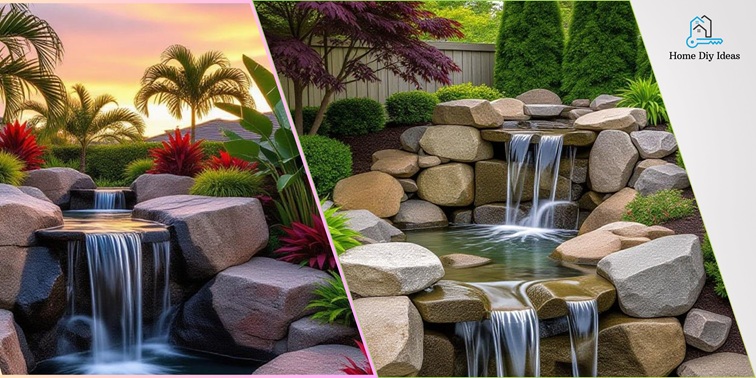
| Tiered Rock Waterfall | Sloped terrain | Rustic, forest-inspired | Moderate |
| Wall Waterfall | Courtyard or patio | Contemporary | Low |
3. Match Waterfall Style to Home Architecture
A waterfall should complement—not compete with—your home. For example:
- Modern homes: Sleek slate or concrete cascades.
- Traditional homes: Layered rock or stacked stone.
- Cottage settings: Natural boulders and soft plant edges.
Building a Backyard Waterfall: Step-by-Step Guide
Even if you hire professionals, understanding the process helps ensure quality and longevity.
Step 1: Sketch and Measure
Outline your design on paper or using landscape software. Mark where the pump, liner, and spillway will go.
Step 2: Excavate and Level
Dig your reservoir or pond area. Ensure a stable, compacted base—uneven foundations can cause leaks or pump failure.
Step 3: Install Liner and Pump
- Use EPDM rubber liner for durability.
- Place protective underlayment beneath it to prevent punctures.
- Install a submersible pump rated for your waterfall’s flow rate.
Step 4: Add Rocks and Waterfall Spillway
Layer large stones first, then smaller ones for a natural transition. Conceal tubing behind rocks and ensure water flow direction looks organic.
Step 5: Fill and Test
Run the system and check for leaks, splashing, or uneven flow. Adjust rock placement as needed.
Enhancing Your Waterfall with Plants and Lighting
Recommended Plants for Natural Integration
| Plant Type | Examples | Benefits |
| Groundcovers | Creeping Jenny, Moss | Softens hard edges |
| Perennials | Hostas, Ferns | Adds texture and greenery |
| Aquatic Plants | Water lilies, Pickerel Rush | Improves water quality |
| Shrubs | Azaleas, Hydrangeas | Frames the feature beautifully |
Lighting Tips
- Use submersible LED lights to illuminate the cascade at night.
- Warm tones add drama, while cool tones create tranquility.
- Accent uplighting on nearby plants enhances depth and shadows.
Maintenance and Long-Term Care Checklist
Keeping your waterfall pristine requires simple but consistent upkeep.
✅ Weekly: Remove debris, check water level.
✅ Monthly: Clean the pump and filter.
✅ Seasonally: Trim overgrown plants, add beneficial bacteria.
✅ Annually: Inspect liner and replace worn tubing.
Pro Insight:
Install an auto-fill valve to maintain the right water level during dry months.
Eco-Friendly Waterfall Landscaping Ideas
If sustainability is a goal, consider these options:
- Use solar-powered pumps to cut electricity use.
- Harvest rainwater for refilling the pond.
- Add native plants to support local wildlife.
- Incorporate biofilters for natural water purification.
Common Mistakes to Avoid
- Overpowering a small yard with a huge waterfall.
- Ignoring water flow direction and pressure.
- Using mismatched rock sizes or materials.
- Skipping filtration—leading to algae issues.
Quick Design Inspiration
| Theme | Design Tip | Mood Created |
| Zen Garden | Simple boulder waterfall + bamboo | Calm and meditative |
| Tropical Retreat | Lush plants + multi-tier cascade | Vibrant and exotic |
| Rustic Escape | Natural stone + pond base | Cozy and grounded |
| Modern Minimalist | Sheet waterfall + LED wall | Sleek and dramatic |
FAQs About Backyard Waterfall Landscaping
Not always. Small pondless systems are DIY-friendly, but large or complex waterfalls benefit from expert design and grading.
On average, $2,000–$10,000, depending on size, materials, and complexity.
Yes, but in colder regions, you’ll need to winterize the system by draining and covering it.
Ensure good water circulation, shade the pond, and use natural enzymes or UV clarifiers.
Flagstone, river rock, and fieldstone blend well with most landscape styles.
Conclusion
A waterfall isn’t just décor—it’s therapy in motion. Whether you choose a small bubbling spillway or a multi-tiered cascade, the transformation is profound.
I’ve seen countless homeowners rediscover their backyards once water enters the landscape. If you’re ready to add that perfect mix of drama and tranquility, start designing your backyard waterfall landscaping today—and let nature do the rest.