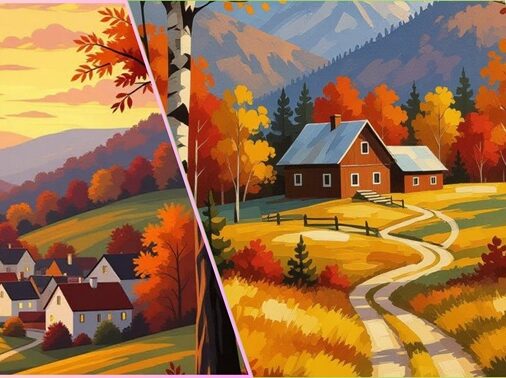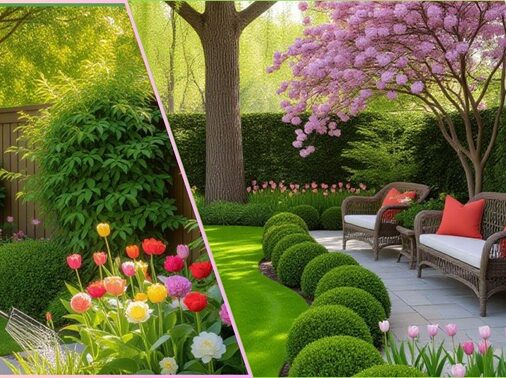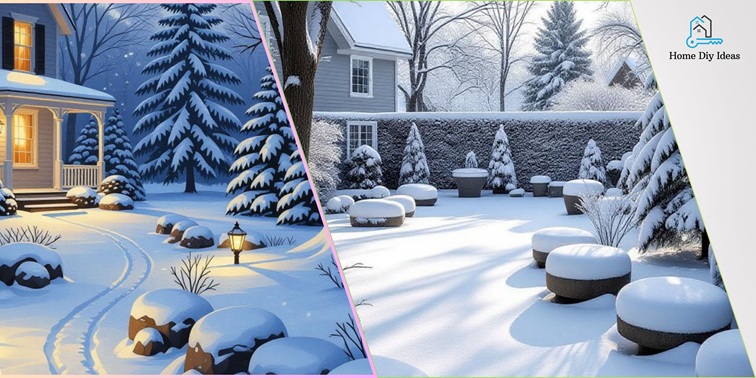

When the green of summer fades and frost begins to settle, many homeowners think their outdoor space has “gone to sleep.” But that’s exactly when winter landscape art can shine.
As a landscape designer who’s worked through all four seasons, I’ve learned that winter offers unique opportunities to craft a yard that delights even when everything else is quiet. In this article, I’ll share a professional, step-by-step approach to designing a winter landscape that feels magical — filled with structure, texture, and light.
Why Winter Landscape Art Matters
Winter isn’t a dormant period — it’s a design opportunity. When leaves are gone, the “bones” of your yard take center stage: trunks, stems, paths, and walls. Snow or frost becomes your canvas, revealing shapes, shadows, and light play that you can design intentionally.
Even in regions without snow, winter’s muted palette shifts focus toward form, structure, and contrast. Thoughtful winter design transforms bare landscapes into sculptural outdoor art pieces that remain beautiful from both inside and outside the home.
My Step-by-Step Winter Landscape Art & Design Process
Here’s the framework I use with clients to turn ordinary yards into winter showcases.
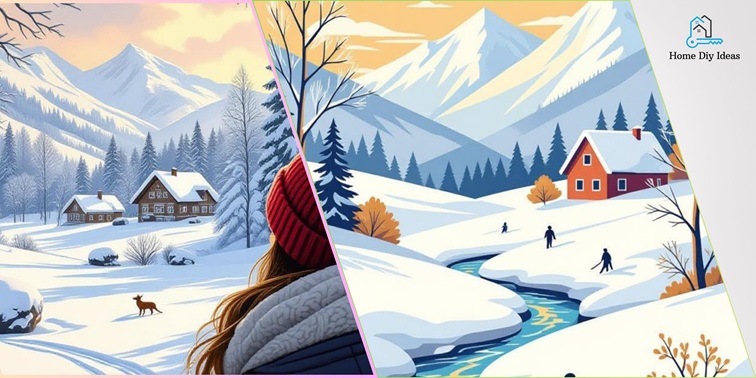
Phase 1 – Site Analysis & Visioning
- Walk your yard in winter — or imagine it bare. Observe silhouettes, snow patterns, and how light falls after dusk.
- Sketch or photograph your yard from key viewpoints: front entry, windows, driveway.
- Define your winter vision: Do you want a calm, minimalist space or a festive, storybook feel?
- Note microclimates: Where does snow pile up or melt first? Where does wind hit hardest?
- List assets and gaps: Beautiful birch trunks? Great. A dull fence line? Opportunity for art or structure.
Phase 2 – Framework Design: Structure, Art & Hardscape
| Design Element | Why It Matters in Winter | Practical Tips |
| Evergreens | Provide year-round structure and backdrop. | Use a mix of forms — columnar, mounded, spreading — for variety. |
| Bark & branch colour | Becomes a main visual interest when foliage is gone. | Try coral bark maple, red twig dogwood, or birch for colour contrast. |
| Garden art & sculpture | Adds focal points and depth to a quiet winter landscape. | Choose weather-resistant materials like stone, steel, or treated wood. |
| Lighting & shadow | Short days make lighting a major design tool. | Combine warm path lights, tree uplighting, and shadow effects for depth. |
| Containers & accents | Create flexibility and easy visual refreshes. | Fill planters with evergreen boughs, branches, and pinecones for texture. |
Phase 3 – Planting & Material Palette
Checklist for choosing winter-worthy elements:
- Include at least three evergreen species of different textures and sizes.
- Add deciduous plants with interesting bark or berries for contrast.
- Leave ornamental grasses standing for sculptural winter silhouettes.
- Use durable hardscape materials like stone or powder-coated metal.
- Select lighting rated for outdoor winter use with warm white tones.
Phase 4 – Installation & Artistry
When installing your design, treat it like outdoor sculpture:
- Frame vistas leading to focal points such as trees, benches, or art pieces.
- Mix contrasting forms — upright conifers, weeping trees, and geometric sculptures.
- Play with texture and tone — dark evergreens against light bark or snow.
- Consider night views from indoors — highlight features visible from windows.
Phase 5 – Maintenance & Seasonal Activation
Your winter landscape remains stunning only if maintained:
- Clear snow from key sight lines and sculptures.
- Inspect lighting monthly and clean lenses for clarity.
- Refresh planters every few weeks with new stems or evergreens.
- Mulch and prune in autumn to prepare plants for the visual stage of winter.
- Evaluate in spring what worked and what needs refining.
Practical Tips for Homeowners
Quick Wins (This Season)
- Walk your yard at dusk to evaluate lighting and sight lines.
- Add one focal point — sculpture, bench, or statement evergreen.
- Upgrade path lighting to warm LEDs for instant ambiance.
Mid-Term Upgrades (Over Winter)
- Install a hardscape feature such as a stone path or steel trellis.
- Use planters at your entry filled with evergreens, berries, and lighting.
- Incorporate ornamental grasses for natural movement in the wind.
Long-Term Vision (Over a Year)
- Layer plants by height and form for year-round interest.
- Design lighting zones for trees, walkways, and outdoor art.
- Frame views from inside your home for indoor-outdoor harmony.
Real-World Example: Turning Minimal into Magical
A recent client in a cold region wanted a front yard that looked alive in winter.
We:
- Planted blue spruce for structure and red-twig dogwoods for colour.
- Added a rusted steel sculpture that catches snow and moonlight.
- Installed tree uplighting for birches to glow in the evening.
- Refreshed entry planters with evergreen boughs and soft lights.
The result was a front yard that drew compliments all winter — elegant, simple, and full of life even in the coldest months.
Design Inspiration at a Glance
| Focus | Why It Works | Pro Tip |
| Silhouette & structure | Shapes become the artwork once foliage is gone. | Use lighting to emphasize tree trunks or sculptures. |
| Texture & contrast | Frost highlights bark, stone, and metal beautifully. | Choose materials with visible grain or patina. |
| Colour accents | Bark, berries, and lighting replace flowers. | Use restraint — one bold accent stands out best. |
| Lighting artistry | Defines mood and depth. | Layer lighting — path, accent, and uplight for dimension. |
| All-season design | Keeps your yard engaging year-round. | Plan with winter as equal to spring and summer. |
FAQ: Winter Landscape Art for Front Yard Landscaping
No. Even without snow, bare branches, light, and texture create stunning winter scenes.
Reserve about 20–30% of your landscape budget for lighting, art, and evergreen structure — these offer year-round impact.
Absolutely. Refill them with branches, evergreen boughs, and lighting for instant seasonal charm.
Focus on hardy evergreens, dogwoods, hollies, birches, and ornamental grasses that hold form and colour through the season.
Maintain lighting, refresh decorative elements monthly, and remove heavy snow from key features for visibility.
Conclusion
Designing your yard for winter is about seeing beauty in simplicity — the art of structure, light, and contrast. By approaching your yard as a year-round composition, you can create a magical landscape that brings joy even in the quiet months.